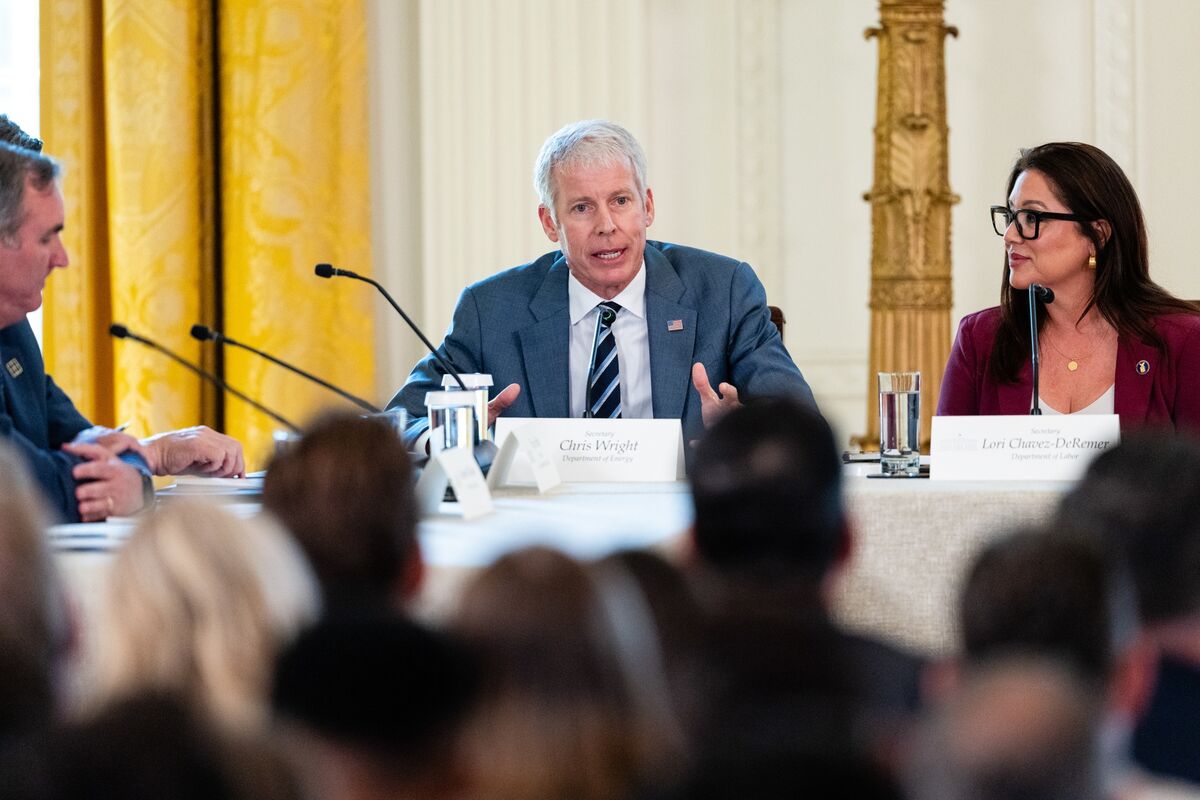
The US Energy Department has disbanded its Climate Working Group, a controversial research body that produced a report downplaying the severity and cost of global warming. This report was notably cited by the Environmental Protection Agency to support its proposed rollback of greenhouse gas regulations. The Energy Department's action indicates a potential shift away from a contrarian climate science stance, which could have implications for future energy and environmental policy and regulatory frameworks.
The U.S. Energy Department's decision to disband its Climate Working Group signals a significant internal policy shift and introduces uncertainty into the regulatory landscape for energy and emissions. This group, composed of five external researchers rejecting mainstream climate science, produced a July 29 report arguing that global warming impacts are less severe than widely believed. Critically, this contrarian report was cited by the Environmental Protection Agency (EPA) to legally support its proposed rollback of the 'endangerment finding,' the foundational authority for regulating greenhouse gases. The dissolution of the group by the Energy Secretary effectively retracts a key piece of scientific justification for deregulation, potentially weakening the EPA's position and signaling a realignment with consensus climate science within the administration. This development highlights friction within the government on climate policy and complicates the outlook for future carbon-related regulations.
AI-powered research, real-time alerts, and portfolio analytics for institutional investors.
Request DemoOverall Sentiment
mildly negative
Sentiment Score
-0.20
