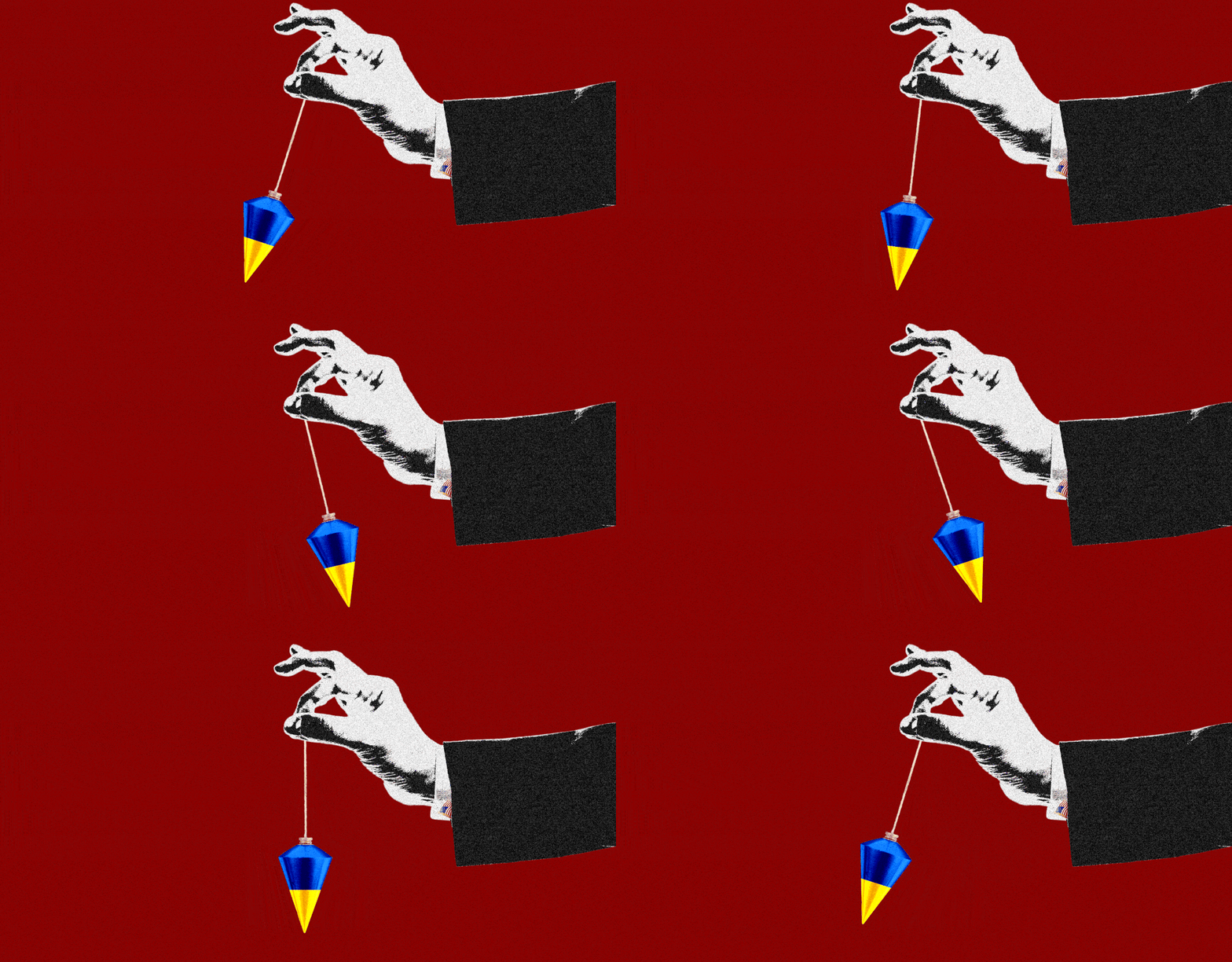
The Trump administration has intermittently pushed a U.S.-brokered peace effort in Ukraine, embracing a leaked 28-point plan (subsequently pared to 19 points) that includes Kremlin-favorable concessions such as de facto recognition of parts of Donetsk and proposes $100 billion in US-led investment with profit-sharing, spurring bipartisan outrage. The diplomatic oscillation has coincided with U.S. sanctions on Lukoil and Rosneft, continued Russian strikes (over 550 deaths from long-range strikes this year) and Russia’s estimated military spending above $150 billion annually, increasing geopolitical uncertainty for energy markets and investors while Ukrainian political constraints make a durable deal unlikely.
Market-structure: A Trump-driven push for a negotiated end that concedes territory or eases sanctions materially reweights winners toward energy producers, reconstruction/financial-advisory firms and parties with front-door access to frozen Russian assets, while hurting Ukrainian defense suppliers and sanctions-dependent oil-price upside. Expect a 5–20% re-rating swing in energy and defense capex sensitivity within 1–3 months depending on whether sanctions remain or are softened.
Risk assessment: Tail risks include a sudden Russian escalation (full-spectrum strikes on energy/infrastructure), a snapback of far-reaching sanctions, or domestic U.S. political reversal that removes negotiating leverage; any of these could drive +$10–$30/bbl oil moves and 100–200bp move in defense-equity implied vols in days. Hidden dependencies: frozen assets, bank counterparties, and EU cohesion – if Europe refuses asset repatriation the plan collapses and volatility spikes.
Trade implications: Near-term (days–weeks) favor option-driven hedges: long oil call spreads and long-dated, modest-sized positions in top defense primes to capture sustained budgets; rotate into sovereign bonds and gold as a tail-hedge if talks advance. Cross-asset: expect safe-haven inflows to USTs and gold on any military escalation, and a stronger RUB only if sanctions are credibly eased—trade FX selectively via options.
Contrarian angle: Markets assume peace => lower oil and defense; that is likely underdone because reconstruction, energy-security stockpiles, and deterrence spending create multi-year demand for defense and energy capex. Historical parallel: post-2014 sanctions regime persisted despite diplomatic detentes; a short-lived “peace” that leaves Kremlin control intact can entrench long-term geopolitical premia, not eliminate them.
AI-powered research, real-time alerts, and portfolio analytics for institutional investors.
Request DemoOverall Sentiment
moderately negative
Sentiment Score
-0.40
Ticker Sentiment
