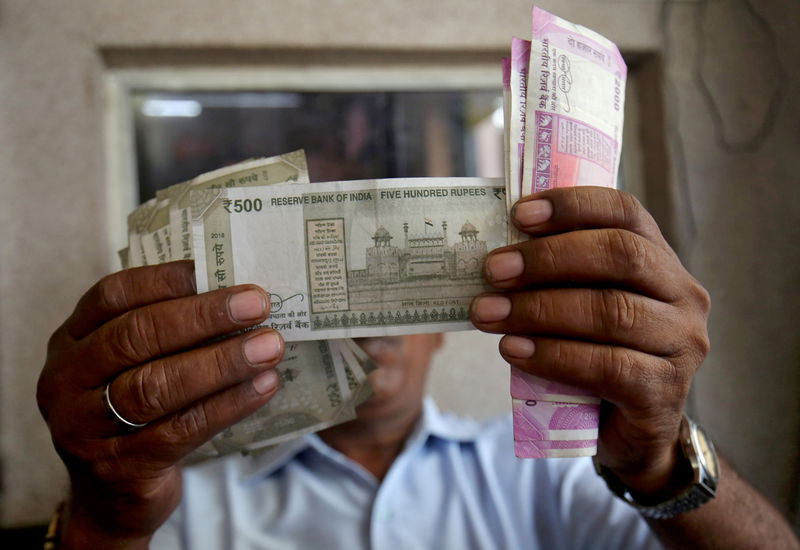
Asian FX markets traded cautiously as investors priced in a possible Federal Reserve policy easing next week, with the US Dollar Index down about 0.2% in Asian hours. The Indian rupee tumbled to a record USD/INR high of 90.32 (trading around 90.27) amid weak trade and portfolio flows, limited FDI and uncertainty over a U.S.-India trade deal, while the Australian dollar strengthened 0.3% to a one-month high after Q3 GDP grew 0.4% q/q (0.7% forecast) and 2.1% year-on-year. Market attention is focused on upcoming US data (ADP payrolls and November PCE) that could influence Fed-rate expectations and near‑term FX and risk positioning.
Market structure: The immediate winners are USD cash/holders and FX liquidity providers as USD/INR jumped to 90.32, while Indian importers and unhedged INR creditors are losers from higher dollar demand; exporters and ITs get a competitive boost but may face capital outflow headwinds. Fed-cut pricing (next week) and softer US data (ADP, PCE within 7 days) is supporting risk assets and duration, while RBA-forward guidance after stronger Q3 GDP suggests AUD will retain a higher-for-longer rate premium versus peers over the next 1–3 months.
Risk assessment: Tail risks include a surprise hawkish PCE or sticky services inflation that reverses Fed-cut odds (weeks), triggering a swift USD rally and INR gap >+2% intraday; regulatory shocks to crypto or India-US trade talks could amplify flows (1–6 months). Hidden dependencies: Indian FX weakness is driven more by portfolio/FDI softness than reserves — thus fiscal/calendar events or a large scheduled external repayment could spike volatility. Key catalysts: next week’s Fed decision, Friday’s PCE, and any US‑India trade headlines within 30 days.
Trade implications: Direct plays favor short-term USD/INR exposure and duration exposure to front-end Treasuries if Fed cuts are realized; buy AUD carry vs G10 if RBA stays hawkish (1–3 month horizon). Use option structures to asymmetrically express views: INR call spreads (90/92) and AUD call options 1‑3 month tenors; rotate modestly into AI hardware/software winners (SMCI, APP) as 3–6 month growth plays, size with protective puts.
Contrarian angles: Consensus priced Fed easing may be overdone by >25–30% probability; position sizing should assume a 50–100bp repricing shock in yields as a realistic tail. Market may underprice RBI/fiscal responses in India — a coordinated capital control or bond yield support would reverse INR stress quickly. Don’t chase momentum in INR weakness; prefer structured buys that cap downside and capture >2–5% asymmetric upside.
AI-powered research, real-time alerts, and portfolio analytics for institutional investors.
Request DemoOverall Sentiment
neutral
Sentiment Score
0.00
Ticker Sentiment
