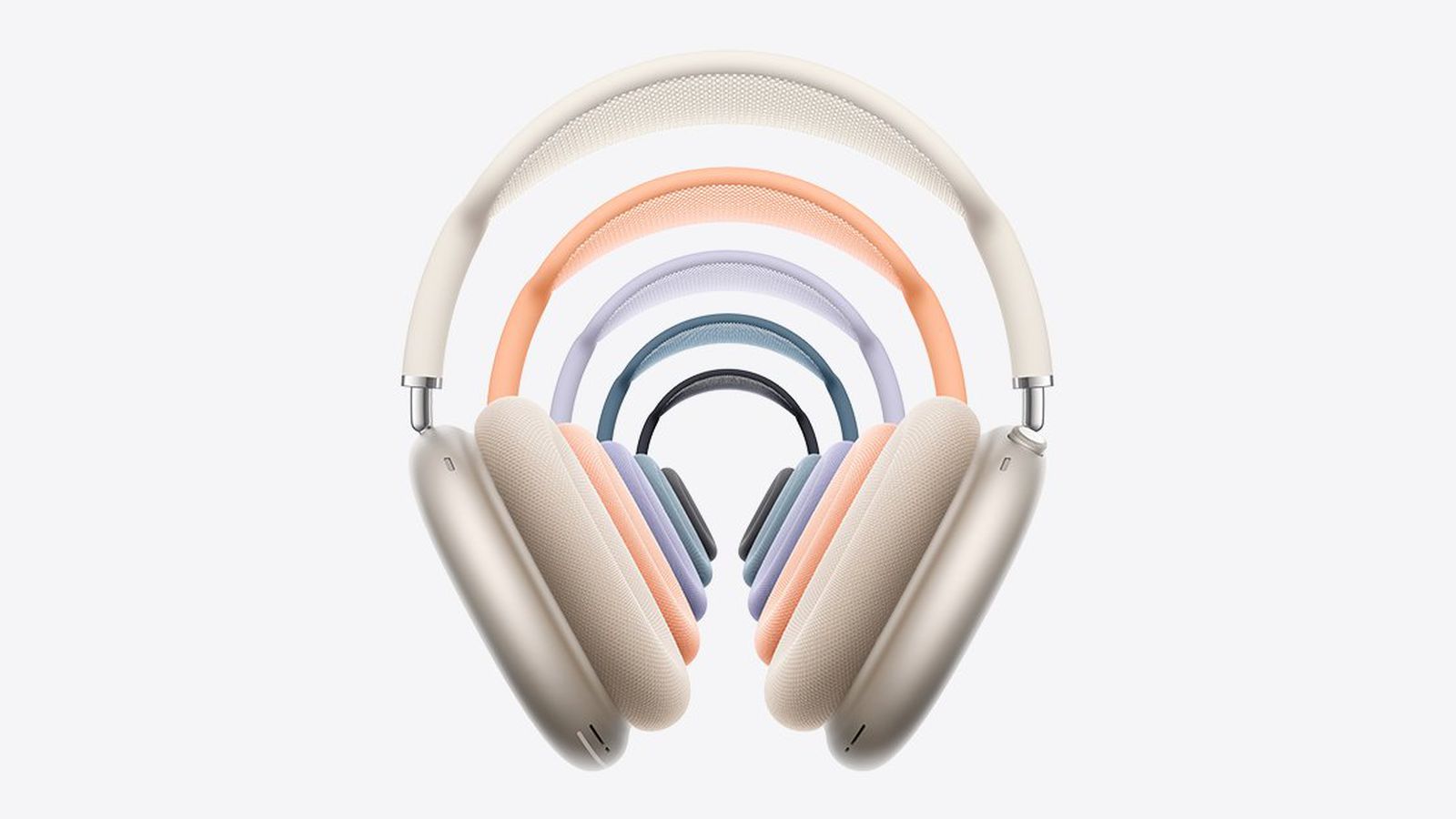
Apple released firmware version 8E251 for the AirPods Max 2 ahead of pre-orders beginning March 25 and an early-April launch; U.S. pricing remains $549. The update likely optimizes new H2-chip features (Live Translation, Adaptive Audio, Voice Isolation); users install by keeping the headphones in Bluetooth range, connecting the host device to Wi‑Fi, and powering the AirPods Max via USB‑C for ~30 minutes. This is routine product-support activity with limited near-term market impact, though the H2 feature set and pre-order timing support consumer demand ahead of launch.
Apple’s incremental headphone refresh is a silicon-led product push more than a design reset; that raises wafer and analog/RF content per unit and lengthens the list of suppliers who capture dollar content rather than just assembly fees. Expect TSMC/analog and RF component suppliers to see a measurable uptick in ASP-weighted shipment value if H2-class features become standard across Apple’s accessory line over the next 12–18 months.
A subtle but important second-order effect is on aftermarket accessory and service revenue. As Apple consolidates features (translation, voice isolation, adaptive audio) into the device, independent accessory makers and third-party audio app vendors face compression of value-added opportunities — conversely, Apple’s service attach (Apple Music spatial, translation subscriptions) could see higher take rates per user, improving lifetime value metrics over 12–36 months.
Supply-chain concentration remains the key fragility: assembly and test nodes in China and Taiwan create a non-linear exposure to cross-strait or tariff shocks; firmware-first rollouts suggest Apple is smoothing software-to-hardware integration risks but also leave a short window (weeks) where a firmware regression could dent early reviews and pre-order momentum. Monitor order-book signals over the next 4–8 weeks; a soft preorder fill-through would be the fastest path to re-pricing expectations.
The competitive map shifts subtly toward ecosystem owners and foundries and away from stand-alone premium audio brands. That argues for tactical exposure to component and wafer suppliers while maintaining a hedge against cyclical consumer-spend softness and geopolitical shocks over the next 6–18 months.
AI-powered research, real-time alerts, and portfolio analytics for institutional investors.
Request DemoOverall Sentiment
neutral
Sentiment Score
0.05
Ticker Sentiment
