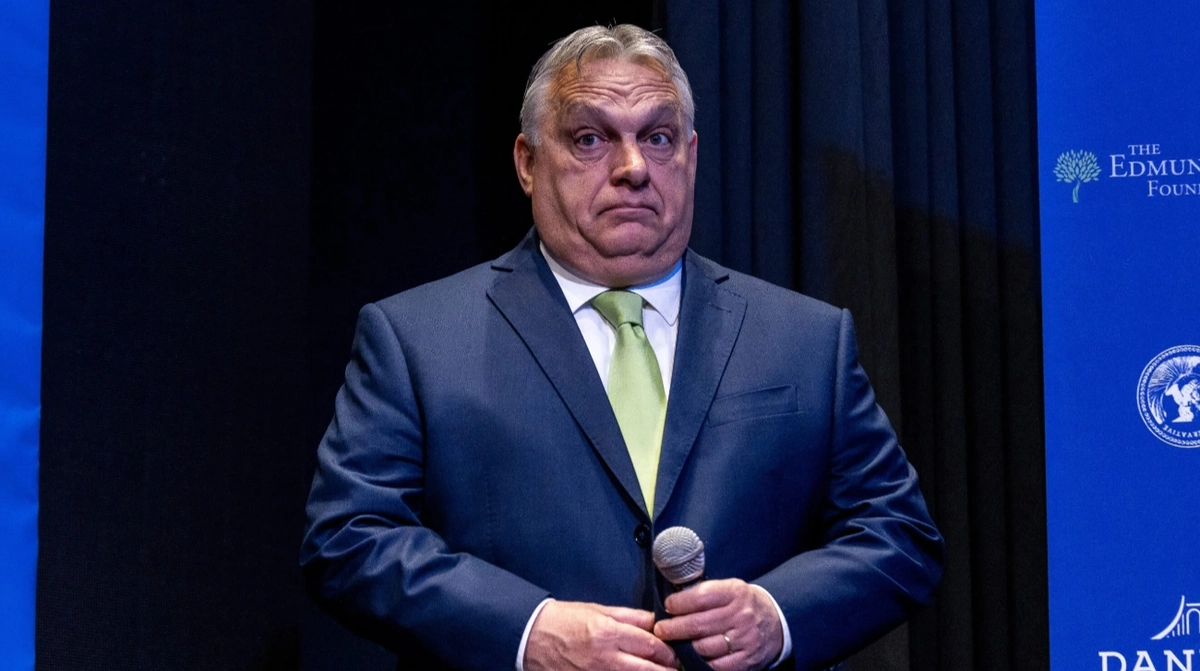
Hungarian Prime Minister Viktor Orbán asserted that Ukraine has "no chance" of winning the war against Russia, labeling further EU financial aid as "just crazy" and economically destructive for the bloc, citing €185 billion already spent. He urged an immediate end to the conflict, advocating for an independent EU dialogue with Russia and anticipating a US-Russia peace deal, while suggesting a post-war Ukraine with stabilized borders and a demilitarized zone, implying Russia will retain occupied territories. This position highlights deep divisions within the EU regarding financial commitments and geopolitical strategy concerning the conflict.
Hungarian Prime Minister Viktor Orbán has publicly asserted Ukraine's "no chance" of victory against Russia, strongly criticizing further EU financial aid as "just crazy" and economically destructive for the bloc. He highlighted that the EU has already committed €185 billion, arguing this expenditure is futile given his assessment of the conflict's outcome. This stance signals significant internal EU discord regarding fiscal policy and strategic direction concerning the ongoing war.
Orbán advocates for an immediate cessation of aid and an independent EU communication channel with Russia, anticipating a future peace deal primarily between the US and Russia. His proposed post-war framework for Ukraine includes stabilized borders, "whether internationally recognised or not," and a demilitarized zone, implicitly accepting Russia's retention of occupied territories. This perspective suggests a fundamental shift in European geopolitical alignment and a potential weakening of unified Western support for Ukraine.
The Hungarian PM's comments, characterized by a "strongly negative" sentiment and "pessimistic" tone, underscore growing geopolitical fragmentation within the EU. While specific tickers are not mentioned, the themes of "Geopolitics & War," "Fiscal Policy & Budget," and "Energy Markets & Prices" indicate potential market volatility and policy uncertainty. The background mention of US sanctions on Russian oil companies and Hungary's claimed exemption further highlights the complex interplay of energy security and geopolitical alliances.
AI-powered research, real-time alerts, and portfolio analytics for institutional investors.
Request DemoOverall Sentiment
strongly negative
Sentiment Score
-0.80
