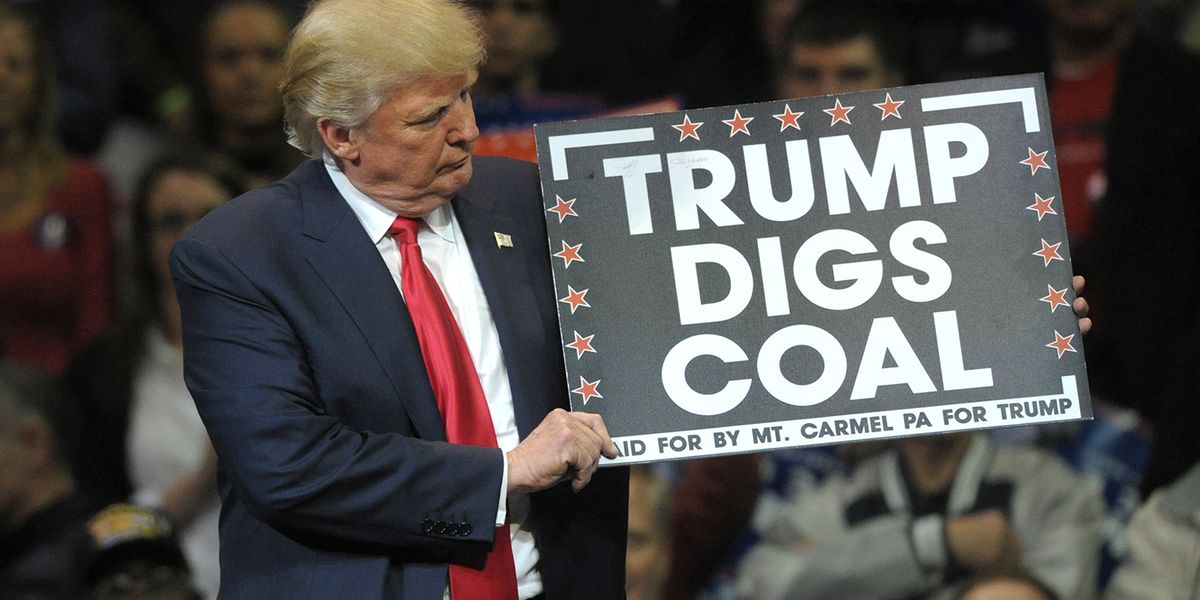
The Trump administration ordered Consumers Energy to keep the 63‑year‑old J.H. Campbell coal plant operating, a directive reportedly costing taxpayers about $615,000 per day (~$113 million to date) and foregoing an estimated $640 million in savings by 2040 if the plant were closed. Consumers Energy did not request the order, Michigan regulators say the administration failed to consult local authorities, and state and environmental groups have launched legal challenges, creating regulatory and litigation risk for regional utilities and potential upward pressure on power costs for Michigan and Midwest ratepayers.
Market structure: The forced run of JH Campbell (costing ~$615k/day, ~$113M to date; ~$640M avoidable to 2040) transfers measurable cash to keep uneconomic coal online, benefiting coal suppliers and short‑term wholesale generators while penalizing ratepayers and regulated utilities that absorb recovery risk. Expect small upward pressure on MISO Midwestern power forwards (basis risk concentrated in MI/IN/IL) and marginal support for thermal coal burn, but the magnitude is modest vs national fuel markets; clear beneficiaries are renewables developers who can argue accelerated retirements free capacity for clean projects.
Risk assessment: Key tail risks include a court reversal of the DOE order (high impact, 3–12 month horizon) that immediately accelerates retirements and re-prices coal‑heavy regional utilities, or conversely, prolonged federal support (political tail) that delays transition and props coal names episodically. Hidden dependencies: cost recovery mechanism (MPSC rate cases vs federal funding), FERC precedent, and state election outcomes; catalysts are AG/MPSC filings and court rulings—monitor docket activity over the next 30–90 days.
Trade implications: Tactical play is long scale exposure to large-cap clean generators and equipment makers (e.g., NEE, ENPH, SEDG, TAN ETF) and short idiosyncratic, coal‑concentrated regional utilities (consider CMS, DUK, DTE) or their 6–12 month puts. Use relative‑value pair trades (long NEE or TAN vs short XLU or CMS) and 6–12 month option spreads to limit capital while capturing policy/legal resolution volatility.
Contrarian angle: Consensus frames this as transient political noise; markets underprice legal/regulatory risk that historically (2017–2019) often reversed coal bailouts, creating outsized repricing when courts/commissions act. That suggests a convex trade: modest long positions in clean energy (2–3% portfolio) using options and focused shorts on single‑plant dependent utilities; beware a short‑term pop in coal/utility names if federal support is extended and size positions accordingly.
AI-powered research, real-time alerts, and portfolio analytics for institutional investors.
Request DemoOverall Sentiment
moderately negative
Sentiment Score
-0.60
