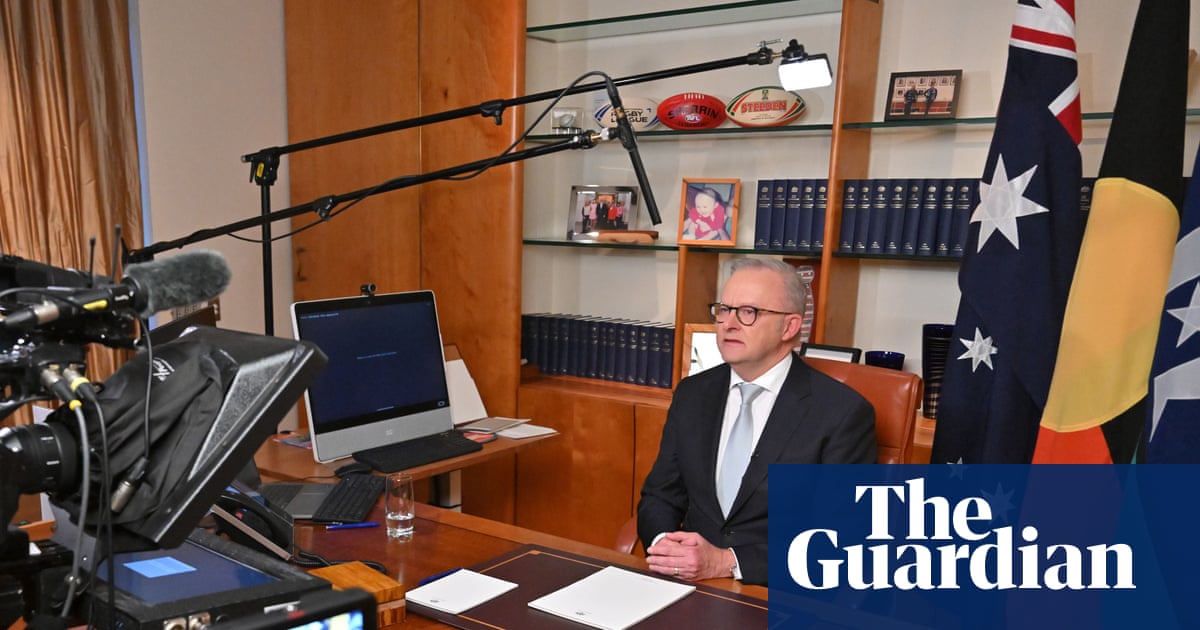
Anthony Albanese will outline a household and business relief plan and promise a May budget to fight inflation while pledging to shore up international fuel supplies and boost local production to keep petrol prices down. The ongoing Middle East crisis and expected prime-time address from Donald Trump raise geopolitical risk and could increase oil price volatility and risk-off flows across markets. Other items of note: NASA's Artemis II is due to launch (first crewed moon mission in almost 54 years) and 19 bodies were recovered off Lampedusa, underscoring geopolitical and humanitarian tensions that could influence investor sentiment.
Near-term political theatre from major leaders is creating asymmetric volatility: headline-driven risk premia are compressible by short-lived policy moves (price caps, fuel releases) but asymmetric on escalation (Iran/Israel/region). Mechanically, temporary government intervention can cap retail petrol volatility for weeks but transfers margin stress upstream to producers and to global crude markets via inventory draws; that dynamic can produce sharp, idiosyncratic moves in E&P vs downstream equities within 2–12 weeks.
A fracturing of alliance certainty (NATO rhetoric) raises the probability of sustained defense re-rating and higher insurance/shipping premia that persist for quarters rather than days — procurement cycles and bid pipelines take 6–24 months to reprice, creating a multi-quarter tailwind for prime defense contractors and for insurers writing geopolitical risk. Conversely, promised domestic fiscal relief (May budget) tilts toward demand support and small-term inflation upside, which keeps real yields higher and caps equity multiple expansion absent a clear de-escalation.
Second-order supply-chain effects: shipping routing/insurance spikes will disproportionately hurt spot-exposed commodity traders, smaller refiners and regional airlines that cannot hedge fuel; larger integrated players and US shale with hedged production are better insulated. Time horizons matter: expect headline jumps in days, policy/fiscal responses in weeks, and structural defense/energy repricing over 6–24 months — any ceasefire or diplomatic breakthrough within 30–60 days would materially reverse price action and compress volatility premiums quickly.
AI-powered research, real-time alerts, and portfolio analytics for institutional investors.
Request DemoOverall Sentiment
mildly negative
Sentiment Score
-0.25
