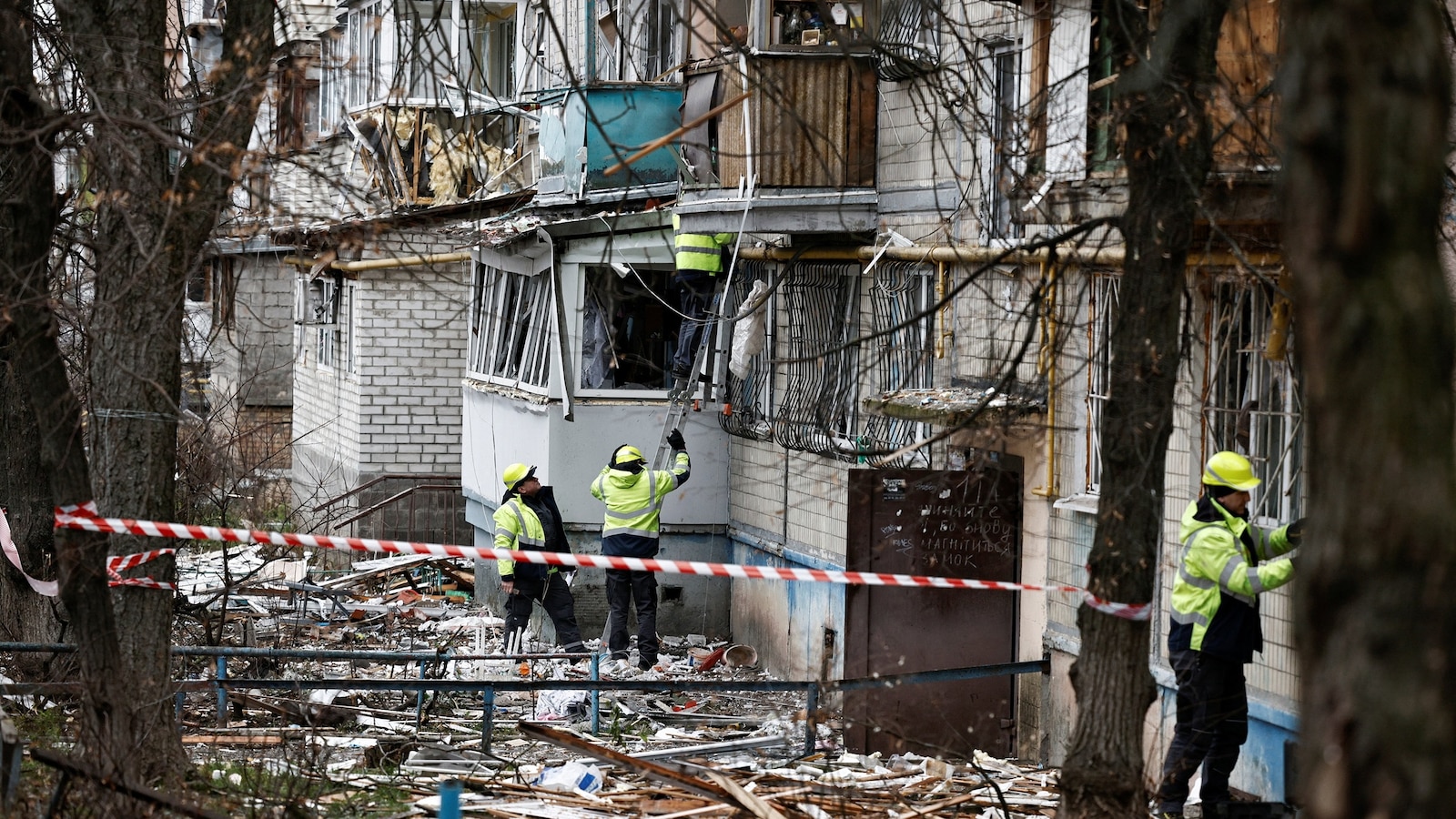
Russia mounted a large-scale overnight combined drone and missile strike on Ukraine, with Ukraine's air force reporting 635 drones and 38 missiles launched (587 drones and 34 missiles intercepted) and impacts across 21 locations; the attack caused emergency power cuts in several regions, at least three civilian deaths and 11 injuries. President Zelenskyy said the strikes targeted energy and civilian infrastructure, called for expanded air defenses and energy equipment, and the assault — coming amid U.S.-mediated diplomacy — is likely to raise regional risk premia, increase volatility in emerging-market and energy-related assets, and bolster demand for defense and energy-sector suppliers.
Market structure: Immediate winners are defense and air‑defense suppliers (Lockheed LMT, Northrop NOC, RTX RTX) and LNG exporters; losers are Ukrainian energy operators, regional utilities and Eastern‑European corporates. Expect a multiweek risk premium in European gas and power (TTF basis widening 10–30%), upward pressure on Brent (>$5 implied move) and commodity-linked producers gaining pricing power.
Risk assessment: Tail risks include NATO‑Russia miscalculation or blockade scenarios that would spike oil/gas >20% in days and force safe‑haven rallies into USTs and gold. Timeline: days—energy and FX volatility; weeks–months—defense procurement cycles and EU emergency energy purchases; quarters–years—structural reorientation of European energy supply chains. Hidden dependencies: EU storage levels, US Congressional aid timing, and winter weather severity.
Trade implications: Tactical: favor liquid large-cap defense equities and gold as diversification; buy short-dated protection on European equity ETFs and increase exposure to LNG/TTF through futures or swaps. Rates/FX: expect lower real yields and USD strength — consider short EURUSD via 3‑month puts if spot breaks 1.05. Use option structures to control tail risk (see decisions).
Contrarian angles: Consensus assumes persistent escalation; risk of a negotiated pause (per shuttle diplomacy) would sharply reverse defense and energy moves—defense equities could retrace 15–30% if a deal surfaces within 60–90 days. Also, higher energy volatility can accelerate capex into renewables — select renewables equipment names may trade up over 6–24 months despite near‑term pressure.
AI-powered research, real-time alerts, and portfolio analytics for institutional investors.
Request DemoOverall Sentiment
strongly negative
Sentiment Score
-0.65
