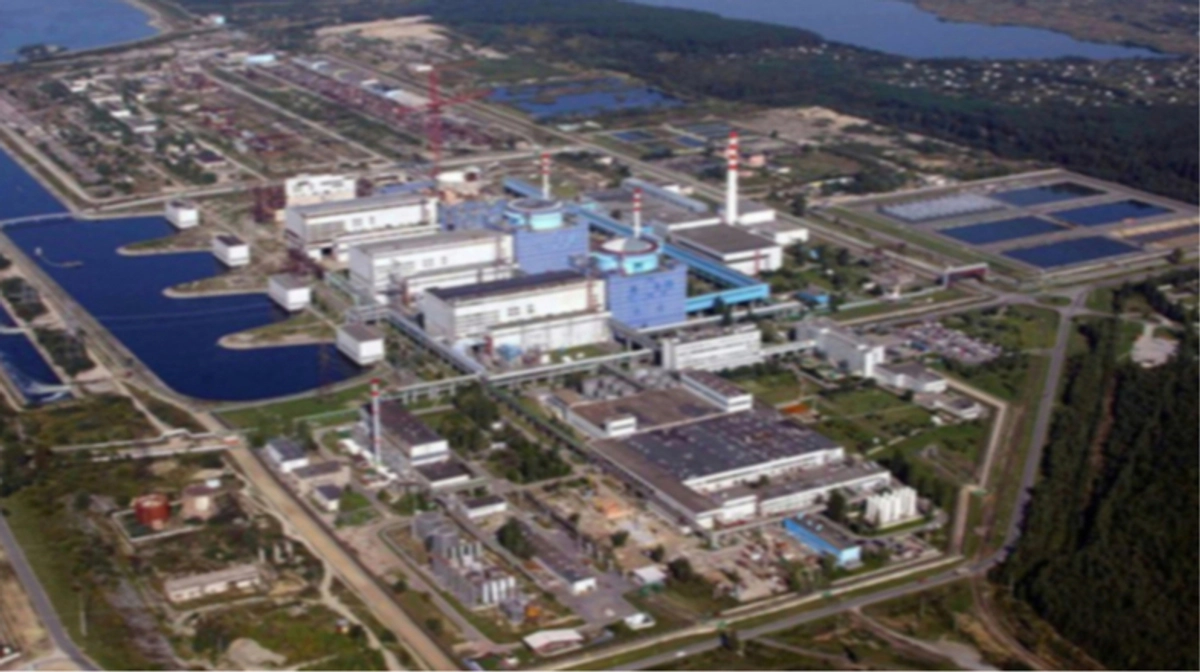
A large-scale Russian strike on the night of Dec. 5-6 forced Ukrainian nuclear power plants to reduce output as grid areas sustaining plant connections were damaged; Ukraine's Energy Ministry has begun repairs but warned of increased projected power consumption restrictions. The IAEA reported Zaporizhzhia temporarily lost all external power overnight — the first such outage since the full-scale invasion — and the protective confinement at Chornobyl was damaged by a drone strike, impairing its primary safety function. These developments raise near-term risks of tighter regional electricity supply, heightened nuclear-safety and operational risks, and potential upward pressure on regional energy prices and counterparty exposures until grid repairs restore plant outputs.
Market structure: Near-term winners are LNG shipping and spot LNG/TTF suppliers (pricing power rises as Ukrainian nuclear output and grid reliability fall), while Ukrainian utilities, local sovereign credit and regional insurers/reinsurers face direct hits. Expect a steeper gas forward curve (front-month TTF materially bid vs. 6–12m), transient power price spikes in Central/Eastern Europe and flight-to-quality into USD/gold and core sovereign bonds.
Risk assessment: Tail risks include a nuclear-safety incident or protracted grid outages that force multi-month rationing (high-impact, low-probability) and broad sovereign/insurance losses; regulatory tail (EU emergency interventions, price caps) could blunt upside within 1–3 months. Immediate (days): volatility in gas/power; short-term (weeks–months): elevated LNG procurement and shipping rates; long-term (quarters–years): accelerated EU capex into regas, storage and defense, shifting CAPEX from pure renewables to firming solutions.
Trade implications: Favor directional exposure to LNG shipping and upstream gas producers, defined-risk gas option structures to play front-month spikes, and selective long defense/industrial names tied to European rearmament. Hedge trades: buy protection on Eastern European sovereign exposure and use short-dated puts on utilities that cannot pass through volatile wholesale power costs.
Contrarian angles: Consensus will emphasize renewed renewables investment; underappreciated is the 6–18 month earnings boost to LNG shipowners and upstream cashflow before structural decarbonization rebalances demand. Watch TTF > €150/MWh or repeated loss-of-external-power events as triggers to scale risk-on; a quick diplomatic de-escalation would compress these trades rapidly.
AI-powered research, real-time alerts, and portfolio analytics for institutional investors.
Request DemoOverall Sentiment
strongly negative
Sentiment Score
-0.70
