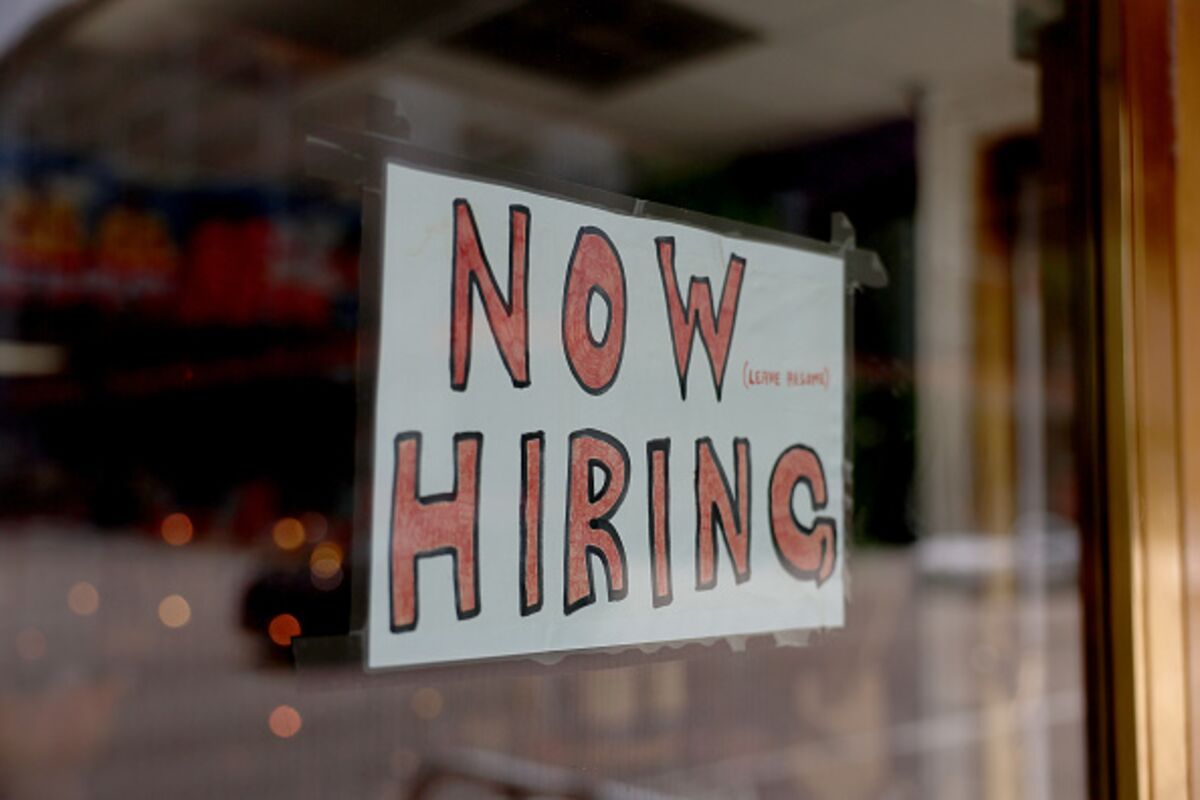
ADP Research reported private-sector payrolls fell by 32,000 in November, the largest monthly reduction since early 2023 and marking the fourth decline in the past six months, while the unemployment rate stands at 4.4%. The print missed the Bloomberg median economist forecast for a 10,000 gain, signaling an accelerating trend of job losses that could damp growth prospects and influence market and policy expectations.
Market structure: ADP’s -32k private payroll print (Bloomberg median +10k) and 4.4% unemployment signal weakening labor demand that favors long-duration, low-beta assets and defensive sectors. Winners: long-duration Treasuries (TLT, IEF), consumer staples (XLP), utilities (XLU) and healthcare (XLV) as pricing power for cyclicals erodes; losers: consumer discretionary (XLY), small-caps (IWM), travel/leisure and regional banks (KRE/KBE) exposed to slowing loan growth. Expect downward pressure on commodity demand (oil) and a tilt toward real assets and gold (GLD) if real yields compress.
Risk assessment: Near-term (days–weeks) volatility risk around the next Bureau of Labor Statistics nonfarm payrolls and CPI; short-term (1–3 months) risk of a Fed messaging pivot if inflation cools; long-term (quarters) tail risk is a 5–10%+ equity drawdown or a deeper recession if unemployment breaches ~5.5% within 6–12 months. Hidden dependencies include consumer credit delinquencies, state/local government layoffs and corporate hiring freezes not captured by ADP; a sudden credit spread widening of 100–300bps is a plausible low-probability, high-impact outcome. Watch Fed speakers, ISM, weekly jobless claims and 3M–10Y curve moves as catalysts.
Trade implications: Implement defensive overweight to TLT (2–3% tactical) and GLD (1%) and underweight cyclical beta: initiate a 2% short XLY position via a 3‑month put spread (−5%/−12%) and a 2% short IWM via options (1–3 month 5% OTM puts). Pair trade: long XLP 2% vs short XLY 2% for 3–6 months to capture rotation; hedge tail risk with a 1–1.5% notional SPX 3‑month 5% OTM put spread or VIX call. Reduce direct regional bank exposure by 50% if KRE/KBE gap down on funding stress.
Contrarian angles: ADP is noisy — a materially stronger nonfarm payroll print would trigger a short squeeze in long-duration bonds and cyclical rebound; consensus may be overpricing an imminent Fed cut. Look for mispricings in high-quality cyclicals with strong balance sheets: selectively buy pullbacks in CAT (industrial machinery) or AMZN (consumer/tech with margin tailwinds) on >15% drawdowns. Avoid blanket long-only defensive bets; keep powder for convex opportunities if unemployment unexpectedly normalizes within 2–3 months.
AI-powered research, real-time alerts, and portfolio analytics for institutional investors.
Request DemoOverall Sentiment
moderately negative
Sentiment Score
-0.50
