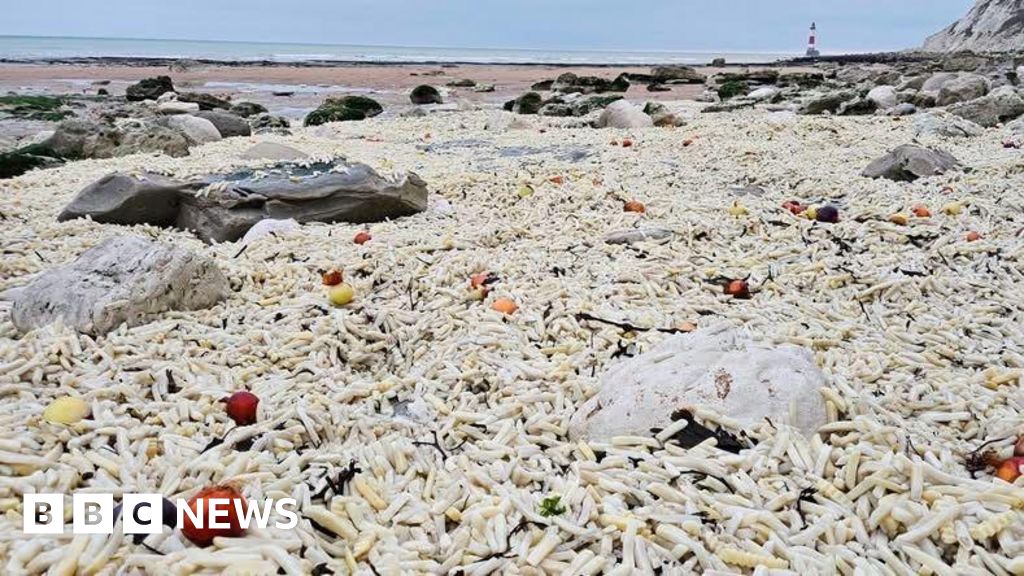
Multiple container losses off the south coast of England have left consumer goods and container wreckage washing ashore, with the Baltic Klipper losing 16 containers in December and the Lombok Strait reported to have lost 17 containers on 8 January (Seatrade says contents were non‑hazardous). The Marine Accident Investigation Branch is conducting preliminary assessments and may open full investigations while the UK Maritime and Coastguard Agency, insurers and salvors work to recover debris; local authorities report 145 tonnes of beach waste collected in West Sussex. The incidents occur amid heightened rerouting around the Cape of Good Hope linked to attacks in the Red Sea and follow new IMO rules (effective 1 January) requiring timely reporting of lost containers, underscoring regulatory, environmental and supply‑chain risk considerations for shippers and insurers.
Market structure: winners are container lessors and salvage/cleanup service providers (higher short-term revenue and negotiating power); losers are smaller shipowners with older lashings, coastal local governments bearing cleanup costs, and marine insurers facing incremental claims. The aggregate lost-container numbers are tiny versus 250m units (~0.00023%), so system-wide container supply impact is minimal nationally but concentrated route/risk-premium effects (Cape rerouting) can raise spot freight and leasing rates by mid-single digits to double-digits regionally over months.
Competitive dynamics: accelerating re‑routing around the Red Sea and tougher enforcement (new IMO/UK reporting rules in effect Jan 1) favors large, capitalized operators and leasing firms that can price-in risk and redeploy assets; smaller owners face higher OPEX (more lashing, voyage miles) and potential market-share erosion. Expect charter and second‑hand asset price dispersion to widen 10–25% between modern fleets and marginal players over 3–12 months.
Risk assessment: tail risks include swift regulatory tightening (mandatory higher lashing standards or container tracking) that forces capex of 5–10% of book value for some owners, and a concentrated incident with hazardous cargo triggering large third-party liability and criminal probes—these could reprice insurers and shipowner equity within weeks. Key catalysts: MAIB/IMO investigation outcomes (30–90 days), Red Sea security incidents (event-driven), and insurer quarterly reserve updates (next 1–2 quarters).
Trade implications & contrarian view: consensus will over-index on ‘environmental PR’ losers and underweight leasing lessors; pragmatic plays are to own high-quality lessors/owners with modern fleets and to buy options on volatile carriers while avoiding small cap owners with weak balance sheets. Historical parallels (Suez disruptions) show short-term headline pain but concentrated long-term beneficiary returns for scalable lessors and insurers/brokers that reprice risk correctly.
AI-powered research, real-time alerts, and portfolio analytics for institutional investors.
Request DemoOverall Sentiment
moderately negative
Sentiment Score
-0.30
