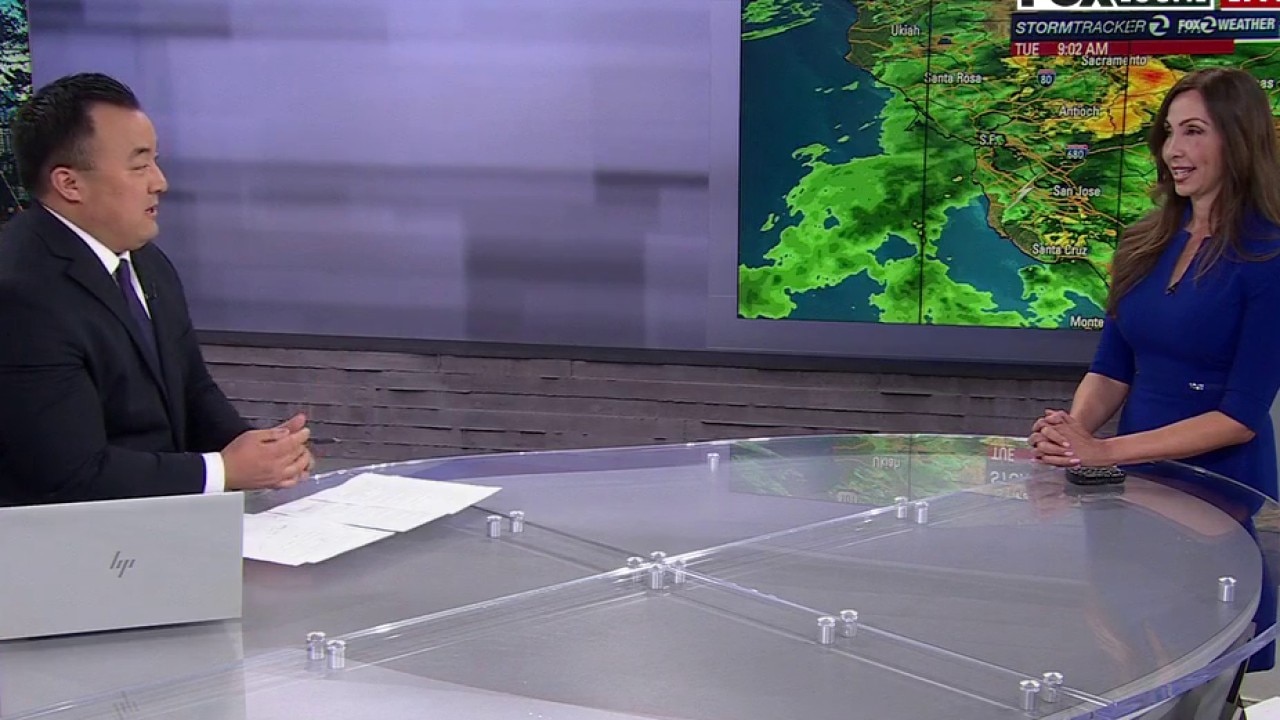
A dynamic cold system—described as the coldest storm of the season—moved through the Bay Area bringing heavy rain, a potent cold front, roughly 500 lightning strikes Tuesday morning, thunderstorms, small hail and localized flooding (San Francisco, Alameda and Contra Costa counties) with a flood advisory through 1 p.m. Coastal flooding occurred where storm surge coincided with spring tides, and heavy showers impacted key corridors including Highway 24 (Orinda to I-680), Alamo, San Ramon and portions of the East Bay Hills. Snow levels dropped to near 3,000 feet with rain/snow reported on Mount Saint Helena, Mount Hamilton and Mount Diablo and winter advisories in Lake County and the Santa Clara Hills; a cold advisory covers North Bay hills/valleys overnight into Wednesday. Unsettled conditions are expected through the weekend with increasing precipitation chances Saturday–Sunday and continued snow accumulation in the Sierra—creating near-term localized risks to transportation, coastal infrastructure and business operations rather than broad market-moving effects.
Market structure: Short, localized storm damage in the Bay Area creates clear winners — home-improvement retailers and remediation specialists (higher same‑store traffic and SKU pull for roofing, insulation, pumps) — and losers — local trucking/port operators and small commercial insurers facing elevated claims. Pricing power compresses for national retailers (HD, LOW) but expands for regional contractors and specialty suppliers (BECN) where capacity is constrained; natural gas spot demand should firm for 2–6 weeks as heating demand spikes, tightening the front‑month balance by an estimated 5–15%. Cross‑asset: expect near‑term upside in NYMEX NG and higher implied vols for CA utilities/insurers; muni credit hit is possible if infrastructure damage >$100–200m locally.
Risk assessment: Tail risks include an atmospheric river/extended storm causing multi‑day Port of Oakland shutdown (>15% weekly throughput loss), multi‑week power outages, or a large insured loss that forces reinsurance spikes and regulatory scrutiny of utilities. Time horizons: operational disruption (days), repair/demand lift (weeks–months), insurer/regulatory effects (quarters). Hidden dependencies include reinsurance placement cycles, Sierra snow causing freight diversions, and California regulatory responses that could shift costs to utilities; catalysts are NOAA model updates, port throughput reports, and insurance claim filings.
Trade implications: Tactical ideas — (1) establish 1–1.5% portfolio long exposure to front‑month NYMEX natural gas (or UNG) within 48 hours, target +10–25% in 2–6 weeks, stop −8%; (2) overweight Home Depot (HD) and Lowe’s (LOW) 1% each to capture immediate repair demand, or buy 60–90 day 3–7% OTM call spreads sized 2% notional, target 5–15% premium return; (3) add 1% long Beacon Roofing Supply (BECN) for localized remediation upside with a 3‑month horizon; (4) buy 3‑6 month PCG (PG&E) 5–10% OTM put spreads sized 0.5% as a tail hedge against major outage/regulatory action.
Contrarian angles: The market may underprice short‑term natural gas and specialty remediation upside because the event is geographically concentrated — a >5 day NOAA cold/wet extension or Port of Oakland throughput drop >15% should trigger an add to NG and BECN positions. Conversely, if precipitation falls below model consensus and NG dips >8%, cut NG exposure quickly; historical CA storms show equity impacts are transient but supply‑chain knock‑on effects (import delays) can magnify retail winners/losers for 4–8 weeks, creating pair trade opportunities (long HD, short regionally exposed carriers).
AI-powered research, real-time alerts, and portfolio analytics for institutional investors.
Request DemoOverall Sentiment
neutral
Sentiment Score
-0.05
