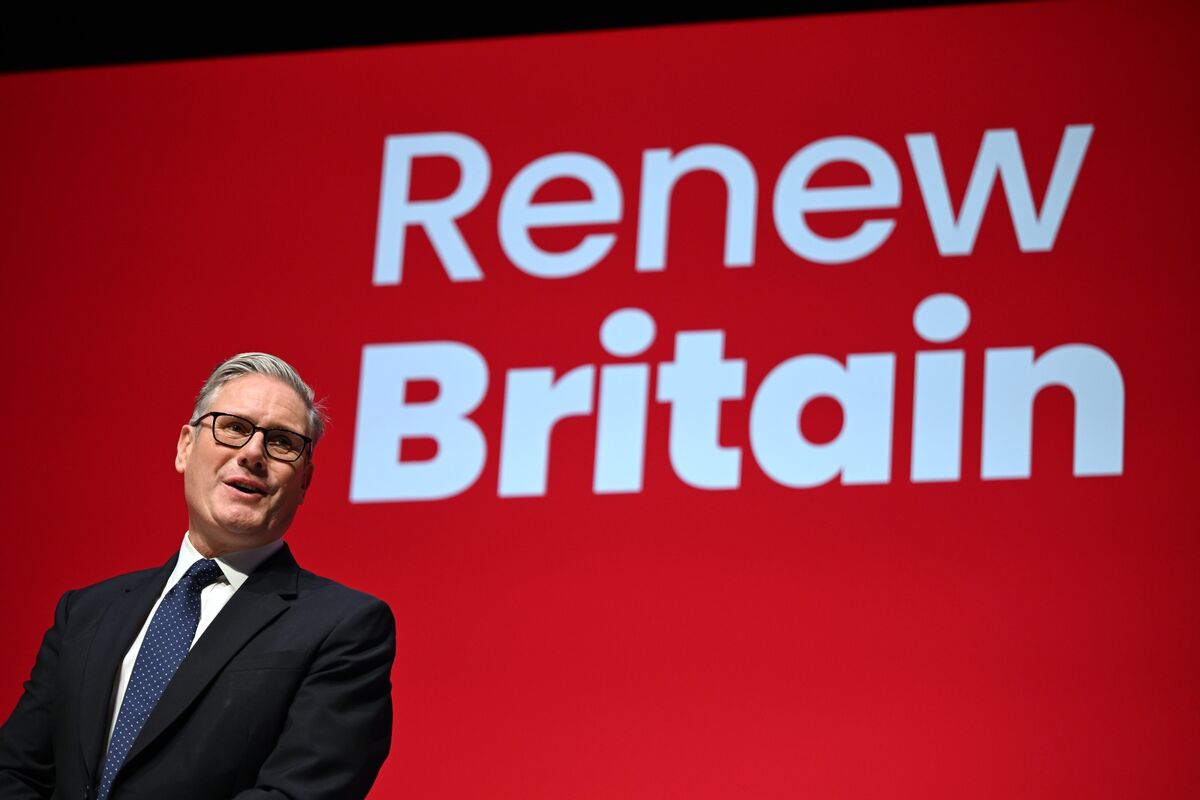
Keir Starmer is perceived as enfeebled while confronting Britain's populist movements, a dynamic occurring as the Prime Minister faces significant pressure from the poll-leading Reform party. This political shift is noted just 15 months after a previous landslide election victory, indicating a rapidly evolving and challenging political landscape with potential implications for stability and policy direction.
The UK political landscape is exhibiting signs of significant instability, presenting a key risk factor for investors. A prime minister is reportedly under substantial pressure from the poll-leading Reform party, a notable development occurring just 15 months after a landslide election victory. This rapid erosion of political capital suggests a volatile environment and raises the prospect of policy uncertainty. Compounding this, opposition leader Keir Starmer is perceived as 'enfeebled' and lacking a clear plan, indicating a potential power vacuum or a fractured political opposition. The combination of a weakened incumbent government and a rising populist challenger points to a period of heightened political risk that could impact market sentiment and fiscal policy direction.
AI-powered research, real-time alerts, and portfolio analytics for institutional investors.
Request DemoOverall Sentiment
neutral
Sentiment Score
0.00
