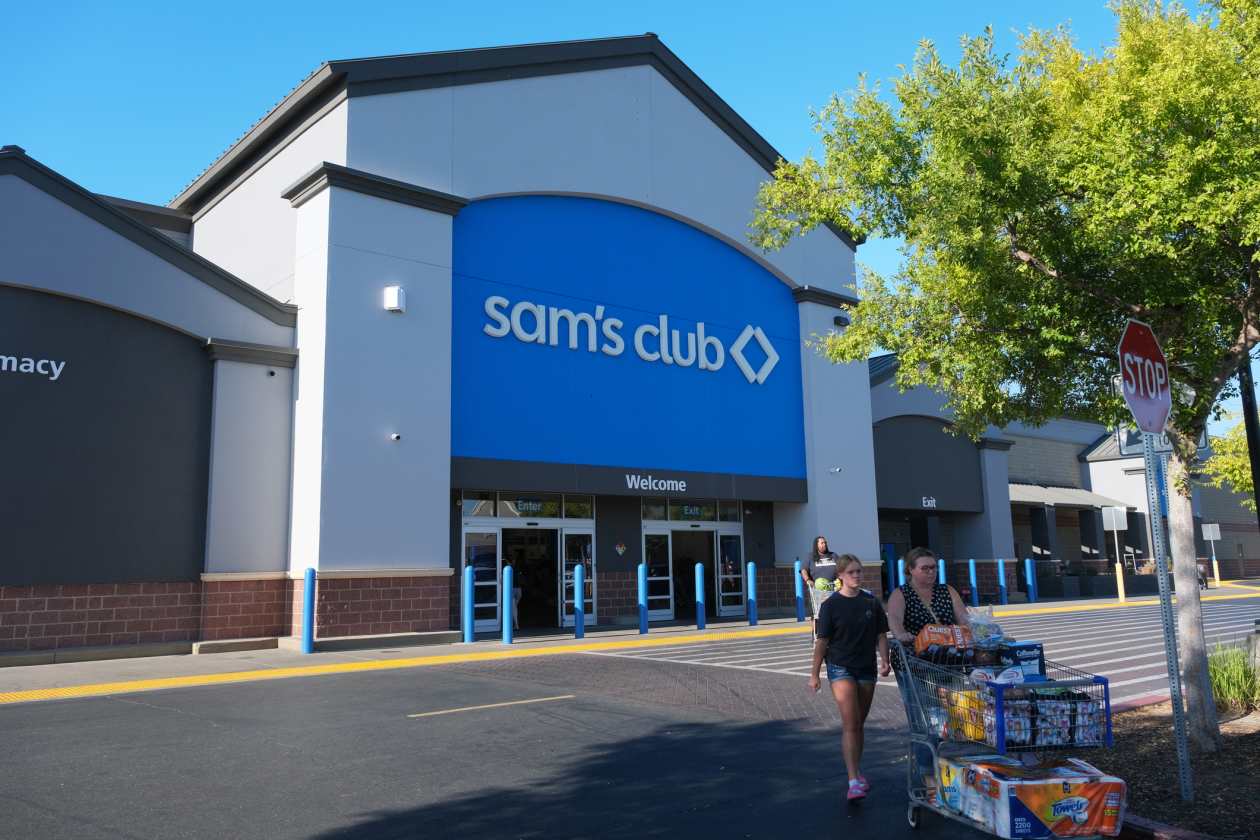
Sam’s Club is raising annual membership fees to $60 from $50 effective May 1. Analysts (including Mizuho’s David Bellinger) say the $300 billion U.S. warehouse-club segment is drawing more shoppers amid gas-price volatility tied to the Iran war, increasing the likelihood that Costco and BJ’s will follow with fee hikes. The move signals stronger demand and recurring revenue upside for club operators, and analysts expect customers to acclimate to higher fees.
Warehouse-club economics create an asymmetric profitability lever: incremental membership revenue falls almost entirely to the bottom line while driving higher basket frequency and larger ticket sizes. That means a modest, industry-wide willingness to accept higher recurring fees can translate into outsized EPS lift over 6-18 months for operators that can maintain churn below CPI. The likely nearest-term beneficiary is the operator with the most optionality to re-price memberships while cross-selling higher-margin private label and fuel convenience revenue.
Second-order winners include upstream CPG suppliers who gain steadier, larger, lump-sum orders from club channels but face margin pressure if clubs push for lower wholesale prices to offset consumer resistance to fee increases. Regional grocers and discounters lacking a sticky-membership flywheel are the most vulnerable to share loss; they will need to lean heavier on promo spend, compressing margins and increasing inventory turn volatility over the next 2-4 quarters. Operationally, club expansion increases demand volatility at distribution centers (larger palletized orders, fewer SKUs per store) which will favor suppliers with scale and flexible logistics over smaller vendors.
Key near-term catalysts: (1) gasoline price trajectory over the next 30-90 days—sustained rises magnify the club adoption signal; (2) company-specific churn disclosures in the next two membership-cycle updates (quarterly); and (3) any countervailing promotional response from big-box or regional grocers that could blunt traffic shifts. Tail risks that would reverse the trade include a quick, meaningful decline in fuel prices, widespread membership fatigue with multiple hikes (2+ raises in 12 months), or an aggressive promotional campaign from a cash-rich competitor that forces temporary share giveback within a single quarter.
AI-powered research, real-time alerts, and portfolio analytics for institutional investors.
Request DemoOverall Sentiment
mildly positive
Sentiment Score
0.25
Ticker Sentiment
