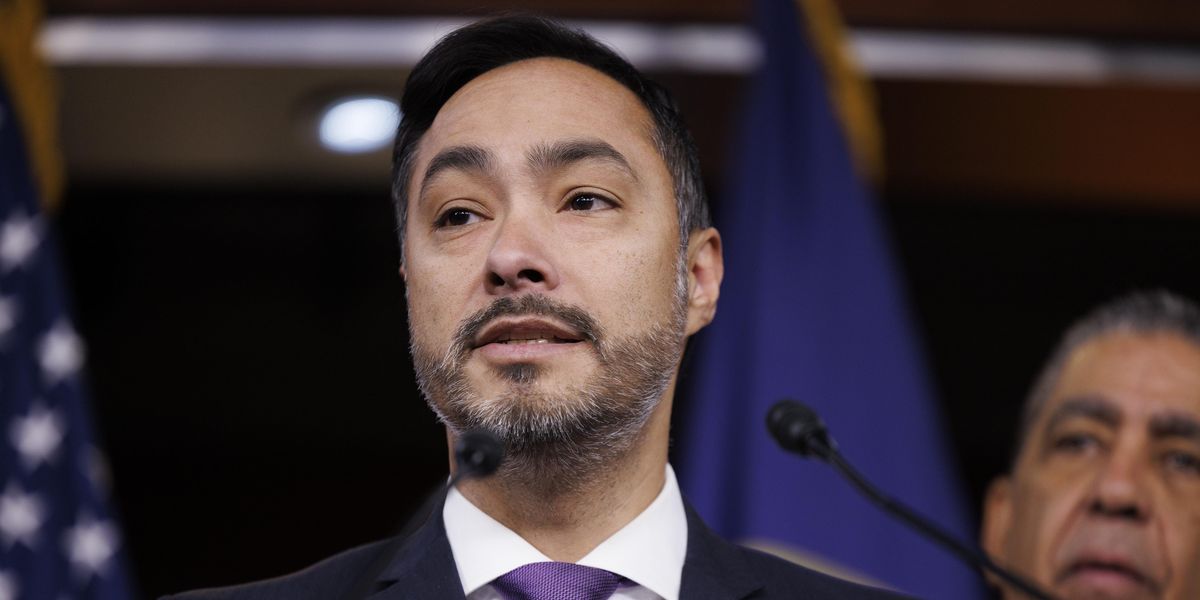
More than two dozen House Democrats are pressing the Trump administration to publicly acknowledge Israel’s estimated 90 nuclear warheads, a move that could create tension in U.S.-Israel relations and complicate security assistance policy. The letter highlights legal and diplomatic risks, including possible sanctions-style safeguards waivers, while U.S. officials are reported to have discussed the risk of Israeli nuclear use if its defenses failed. The issue is politically sensitive but is unlikely to trigger immediate market-moving action.
This is less about Israel’s stock of warheads than about a gradual erosion of the long-standing U.S. ability to enforce a clean nonproliferation narrative in the Middle East. The first-order market effect is limited, but the second-order effect is higher policy volatility around U.S. security assistance, waiver usage, and broader arms-transfer scrutiny—especially if this becomes a partisan litmus test ahead of midterms. That raises the odds of stop-start legislative noise around defense and aerospace procurement, which matters more for sentiment than for near-term fundamentals. The larger strategic risk is that public discussion of Israel’s deterrent posture normalizes the idea of a regional nuclear balance, which can harden Iran’s incentives rather than reduce them. Over a 6-18 month horizon, any move toward more explicit U.S. acknowledgement would likely increase diplomatic friction with Arab partners and add pressure on Washington to prove consistency on safeguards, complicating future military aid packages and munition resupply politics. That is mildly negative for contractors tied to Middle East demand if Congress starts attaching compliance conditions, but the more durable beneficiary is the broader U.S. defense complex via elevated regional threat perception. The contrarian point is that official recognition may be more symbolic than operational: the U.S. already prices in Israel’s deterrent, so the incremental impact on force posture could be smaller than headlines imply. What the market may be underestimating is not escalation risk per se, but the chance that this accelerates intra-coalition fights inside both parties over blank-check support, creating intermittent downside for politically exposed defense primes and upside for anti-proliferation/legal-adjacent policy trades. In other words, the tradable edge is around legislative and reputational friction, not immediate military confrontation.
AI-powered research, real-time alerts, and portfolio analytics for institutional investors.
Request DemoOverall Sentiment
mildly negative
Sentiment Score
-0.15
