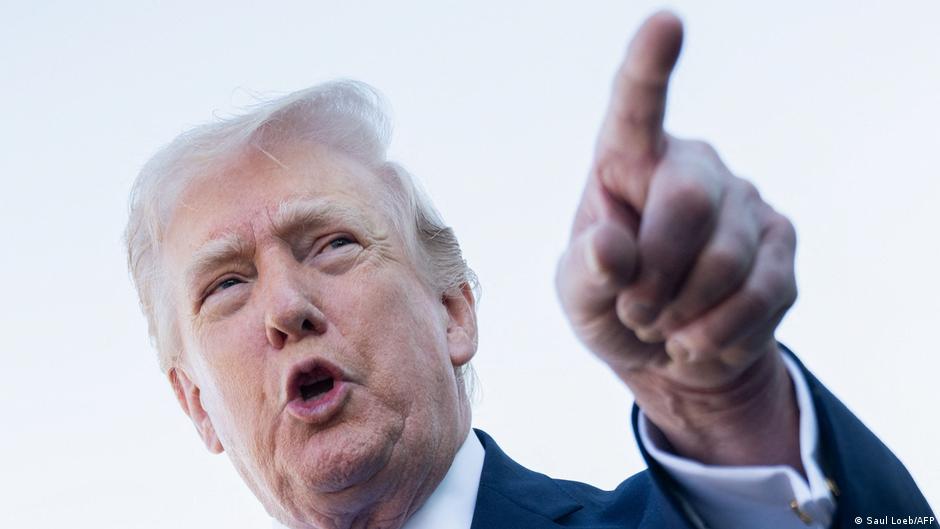
Trump said he called off a planned US strike on Iran scheduled for Tuesday after Gulf states urged a delay, citing a “very good chance” of a deal to end the war. The ceasefire remains fragile, with Tehran and Washington still deadlocked over Iran’s nuclear program, the Strait of Hormuz, and compensation demands. The situation keeps a major oil chokepoint and broader regional security risk in focus.
The market implication is not simply “lower probability of immediate strike” but a shift from binary geopolitical shock pricing to a rolling premium on negotiation failure. That tends to compress crude’s tail volatility faster than headline risk would suggest, especially in the front month, while keeping a persistent backward-looking risk premium in freight, regional insurance, and refined products. The key second-order effect is that Gulf states are now acting as explicit de-risking intermediaries, which raises the odds of a temporary diplomatic off-ramp even if the underlying strategic conflict remains unresolved.
For energy, the asymmetry is in the Strait of Hormuz, not in headline oil demand. Even a short-duration disruption would hit LNG and middle distillates harder than benchmark crude because physical optionality is thinner there; that makes European gas, Asian LNG, and tanker-related equities more vulnerable than US shale if tensions re-escalate. Conversely, a negotiated pause would likely mean a fast unwind of the “risk tax” in Brent and Dubai, but only a partial reversal in products and shipping because charterers will keep paying for embedded disruption insurance.
The broader winner is defense infrastructure adjacent to missile defense, surveillance, and hardening rather than platforms tied to a full-scale conventional campaign. A delayed strike means procurement decisions may get pulled forward, not canceled, because regional buyers will treat the episode as proof of vulnerability and accelerate layering of air defense and energy infrastructure protection. The loser on a 1-3 month horizon is any asset implicitly long disorder, including energy volatility expressions and select shipping names that have been trading on escalation odds.
Contrarian read: consensus may be underestimating how quickly crude can mean-revert if the market believes a strike has been postponed, not canceled. If talks extend for even 2-4 weeks, crude could shed several dollars per barrel as speculative length unwinds, but the bigger risk is a violent re-pricing back higher if negotiations stall after positioning has been cut. That makes the setup more attractive for defined-risk options than outright directional futures.
AI-powered research, real-time alerts, and portfolio analytics for institutional investors.
Request DemoOverall Sentiment
mildly negative
Sentiment Score
-0.20
