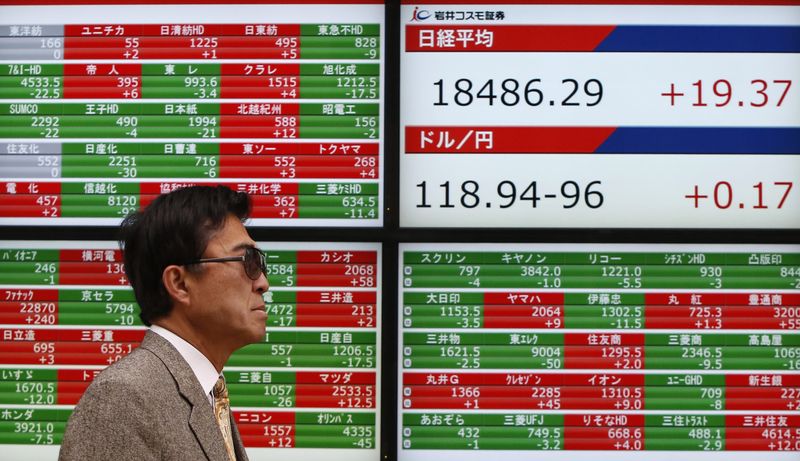
Oil surged above $115/barrel following Yemen’s Houthi attack on Israel; contemporaneous quotes showed WTI (May) +2.50% to $102.13 and Brent (June) +3.47% to $108.97. Tokyo’s Nikkei 225 fell 2.92%, with Mitsubishi Motors plunging 7.89% to a three‑year low at ¥308 and decliners outnumbering advancers ~3341 to 374. Nikkei volatility declined 25.09% to 33.32 while USD/JPY eased 0.29% to 159.85 and EUR/JPY fell 0.34% to 183.91, reflecting a risk‑off tilt and elevated energy-driven market stress.
Immediate winners are those that capture incremental dollar margin per barrel with low incremental opex and fast cash conversion — US onshore E&P and service names have the mechanical optionality to monetize a price spike within weeks, while refiners and midstream capture widened crack spreads before demand elasticity kicks in. A less-obvious beneficiary is marine freight insurers and P&I clubs: higher war-risk premiums here increase transport costs, which magnify delivered commodity price moves and create predictable margin transfer to insurer balance sheets over the next 1–3 quarters.
Market mechanics amplify the initial shock. Option skew and short-dated call buying on crude tends to force delta-hedging into actual physical crude purchases, which can add another 3–6% to front-month moves in the first 48–72 hours; concurrently, FX moves (JPY weakness) will transmission‑inflate local import costs in Japan, pressuring margins for commodity-intensive producers there even as exporters get a translation boost. On a 1–6 month horizon, political/corporate responses matter: SPR releases, OPEC+ tactical fills, and accelerated US rig activity are credible dampeners; absent those, capex underinvestment implies a multi-year higher floor for prices.
The consensus risk-on/outperform energy trade may be too blunt. Short-term upside is event-driven and binary (escalation vs de-escalation), so size for convexity not direction. Conversely, the market may be underpricing the cost pass-through to transport-dependent sectors and insurers — these are reliable, sticky beneficiaries of elevated risk premia and deserve asymmetric long exposure sized for tail containment.
AI-powered research, real-time alerts, and portfolio analytics for institutional investors.
Overall Sentiment
strongly negative
Sentiment Score
-0.55
