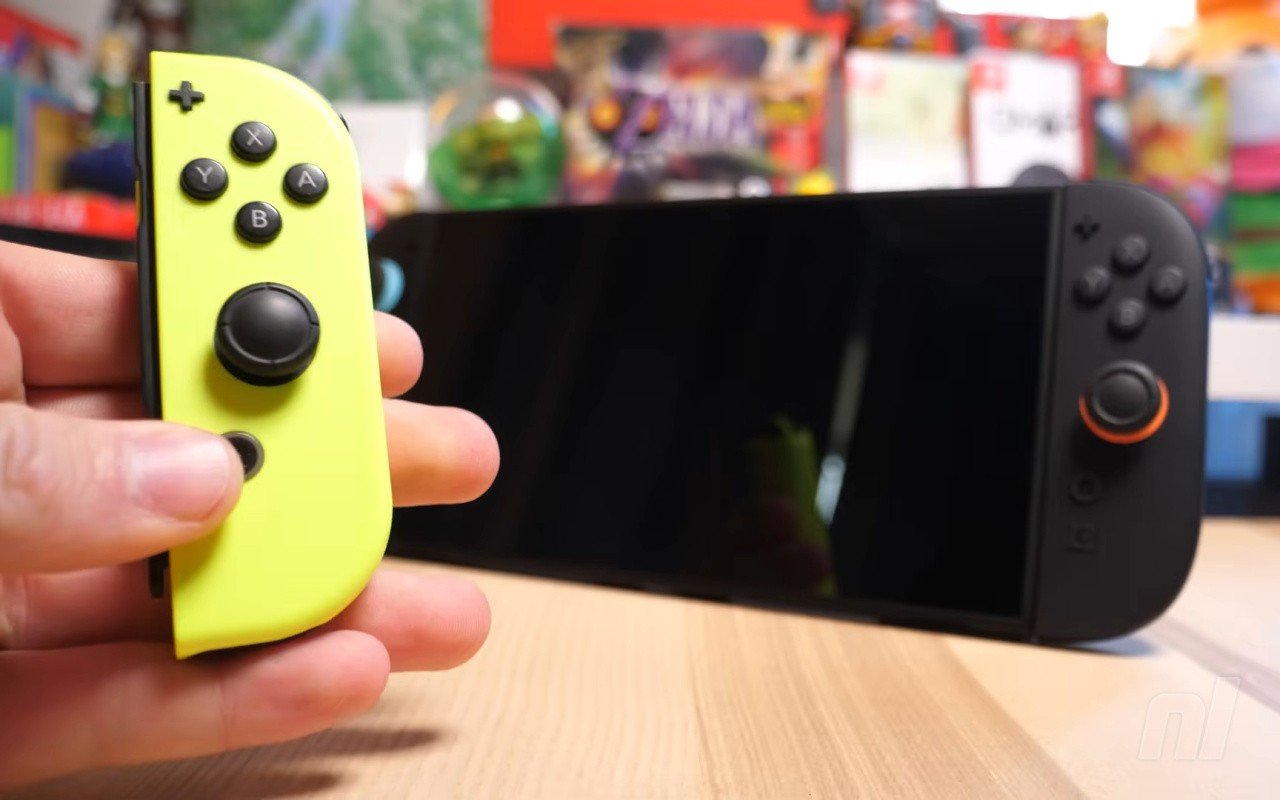
Nintendo issued a Switch 2 firmware update followed by compatibility fixes for several legacy Switch titles including DOOM + DOOM II, NieR:Automata The End of YoRHa Edition, Guardian Tales, Super Mega Baseball 4, Timespinner and others, while noting remaining issues in titles such as Resident Evil 4 and Sports Party. The company has also launched a dedicated compatibility search page for Switch software on Switch 2, signaling active investment in backward-compatibility support that should bolster user experience and help preserve software sales and goodwill, though the changes are unlikely to materially move Nintendo’s near-term financials.
Market structure: Nintendo is the clear direct beneficiary — system-level BC fixes increase the effective catalogue value of Switch 2, lifting eShop tail revenue and raising software attach rates. Publishers with key Switch releases (Square Enix, Capcom) gain incremental, low-cost monetization; small developers face higher QA costs if OS updates introduce regressions. The net effect is modest pricing power extension for Nintendo hardware/software over the next 12–24 months but limited to the installed base (expect revenue upside of low-single-digit percent vs. baseline over a year if patches continue).
Risk assessment: Tail risks include a high-impact reputational hit if a major update breaks multiple AAA titles (probability <10% but severity high), or protracted third-party refusal to certify performance patches. Immediate window (days) is noise; short-term (weeks–months) will show sell-through and eShop spend signals; long-term (quarters/years) depends on developer cooperation and whether Switch 2 retains multi-year lifecycle. Hidden dependency: value accrues only if publishers allow patches/porting — Nintendo OS fixes can’t fully substitute developer optimization.
Trade implications: Direct plays are Nintendo equity and select publishers with big Switch catalogues. Tactical idea: modest long in Nintendo (ADR or 7974.T) ahead of February Direct and holiday sales; hedge with protective stops and defined-cost option structures to cap downside. Secondary opportunities: buy selective call spreads on Square Enix/Capcom to capture upside if marquee titles (NieR, RE4) regain momentum; avoid large exposure to small Indie devs whose revenues are binary.
Contrarian view: The market underestimates the lifecycle extension value of a strong BC layer — this can lift software margin mix and reduce need for aggressive new-hardware pushes, creating multi-year cashflow upside. Conversely, overreliance on OS-layer fixes risks slower performance improvements vs native Switch 2 ports; a negative surprise here could compress multiples quickly. Historical parallel: Sony’s PS4->PS5 BC handling produced uneven software monetization — outcomes diverge on publisher cooperation.
AI-powered research, real-time alerts, and portfolio analytics for institutional investors.
Request DemoOverall Sentiment
mildly positive
Sentiment Score
0.28
