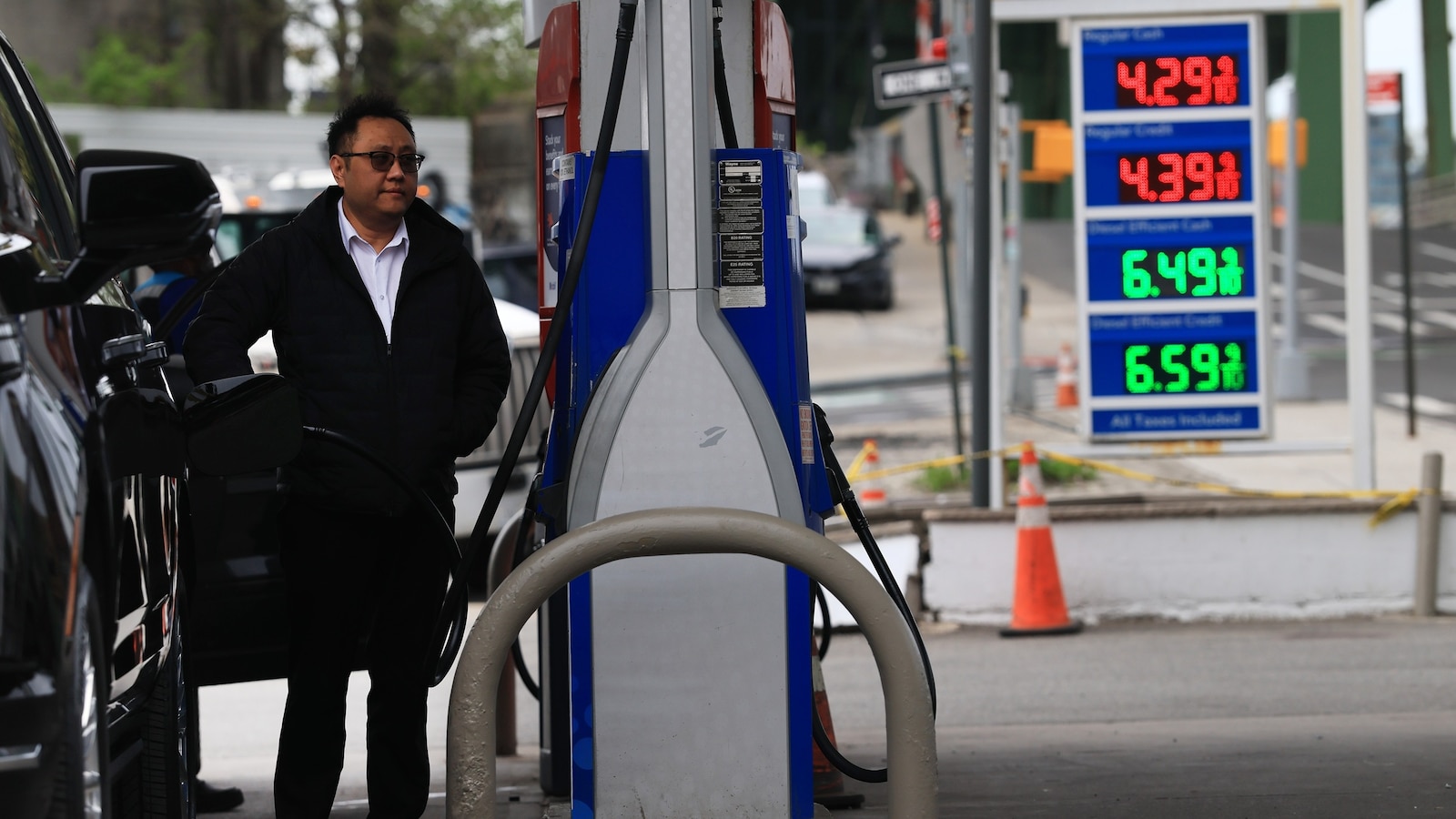
President Trump is floating a temporary federal gas tax holiday as U.S. gasoline averages $4.52 per gallon, up more than $1.50 since the war began. Several competing proposals would suspend or modify the 18.4-cent gas tax for periods ranging from 90 days to 18 months, but any relief requires congressional approval and bipartisan support. The move raises fiscal concerns for the Highway Trust Fund, with the Bipartisan Policy Center estimating a five-month suspension would cost $17 billion.
A federal gas-tax holiday would be a small consumer benefit but a meaningful political signal that policymakers are conceding higher fuel prices are now a macro and electoral problem. The market reaction should be less about the direct cents-per-gallon effect and more about the implied willingness to use fiscal tools to cushion energy shocks, which raises the odds of follow-on measures: SPR releases, refinery pressure, or temporary state-level tax suspensions if Congress stalls. That makes the first-order trade in refined products less compelling than the second-order trade in politically exposed transport and discretionary names that are most sensitive to the persistence of high pump prices.
The key loser is the Highway Trust Fund ecosystem, not because of immediate credit stress but because a holiday accelerates the long-run funding gap and forces a later offset debate. That creates a longer-dated tail risk for contractors, road-builders, and infrastructure beneficiaries if lawmakers eventually pair any holiday with funding offsets or spending restraint. It also subtly shifts relative advantage away from energy producers and toward refiners and retailers only if demand elasticity rises; otherwise the tax cut is mostly absorbed by upstream or midstream pricing power, limiting pass-through to consumers.
The contrarian view is that Congress is unlikely to enact a clean, durable holiday, so the tradeable move may already be in the rhetoric rather than the legislation. If the proposal dies quickly, high gasoline prices remain intact and the equity market may reprice the consumer squeeze rather than the tax cut itself. Conversely, if lawmakers do move, the historical pattern suggests the political value of the announcement exceeds the economic value of the policy, making near-term upside in consumer sentiment names greater than the actual GDP impulse.
Timing matters: the next 2-6 weeks are about headline risk and positioning, while the 3-12 month horizon is about whether sustained fuel pain hits retail sales, airline yields, and autos. The biggest reversal catalyst would be any de-escalation that reopens the Strait or meaningfully lowers crude, which would instantly collapse the urgency for the tax holiday and remove the main bullish argument for consumer relief trades.
AI-powered research, real-time alerts, and portfolio analytics for institutional investors.
Request DemoOverall Sentiment
mildly negative
Sentiment Score
-0.15
