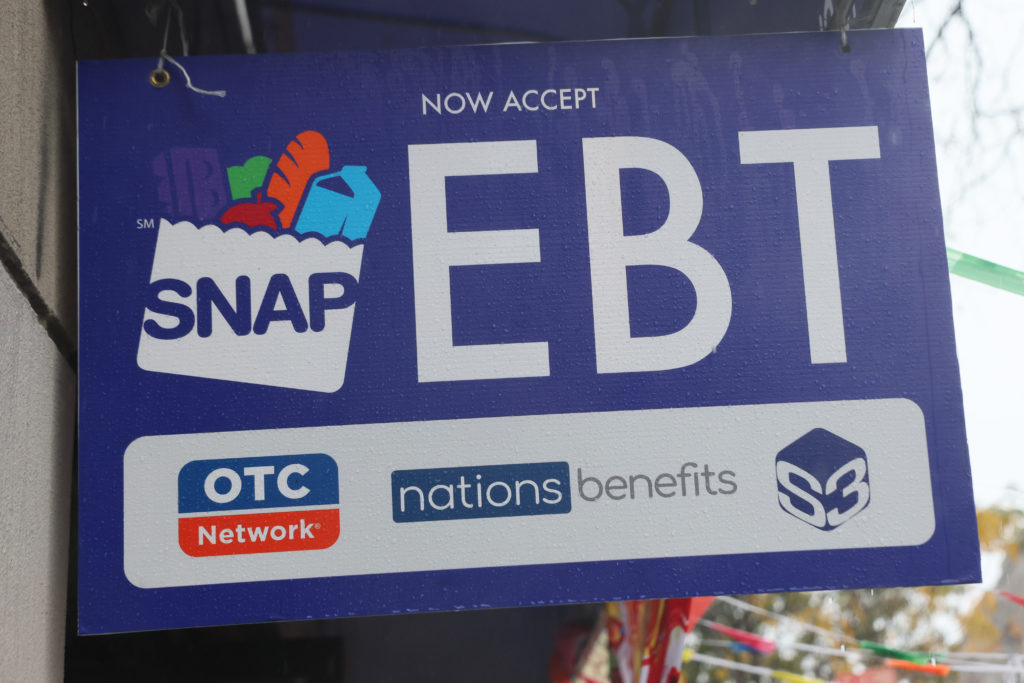
Amidst the U.S. government's planned freeze on Supplemental Nutrition Assistance Program (SNAP) payments starting November 1, several major delivery and financial technology companies are implementing relief measures. Instacart is offering a 50% discount on next grocery orders for eligible SNAP recipients, committing $5 million in direct relief and expanding food bank support. Gopuff will provide up to $10 million in free groceries for SNAP cardholders, while DoorDash plans to waive service and delivery fees for 300,000 orders, partnering with 25 grocery chains, and delivering 1 million free meals. Additionally, Zip Co. will offer no-fee installment payment options for SNAP recipients, underscoring the private sector's role in addressing social welfare gaps and potentially strengthening customer loyalty among a significant user base.
The impending freeze of Supplemental Nutrition Assistance Program (SNAP) payments on November 1st, stemming from a government shutdown, has prompted significant corporate responses from major delivery and fintech platforms. Instacart, Gopuff, DoorDash, and Zip Co. are implementing various relief measures to support SNAP recipients. This collective action highlights the private sector's role in mitigating the immediate impact of fiscal policy disruptions on vulnerable consumers.
Instacart is offering a 50% discount on next grocery orders for eligible SNAP users and expanding food bank support, committing $5 million in direct relief. Gopuff plans to provide up to $10 million in free groceries, while DoorDash will waive service and delivery fees for an estimated 300,000 orders, partnering with 25 grocery chains and delivering 1 million free meals. Zip Co. is offering temporary, no-fee installment payment options, demonstrating diverse approaches to consumer support.
These initiatives, while addressing a social need, also serve strategic business objectives by strengthening customer loyalty and engagement within a significant user base; DoorDash alone has over 2.4 million SNAP/EBT linked accounts. The proactive measures could enhance brand perception and potentially retain customers who might otherwise face financial hardship, especially given the 'moderately positive' sentiment associated with the news. The relatively low market impact score (0.3) suggests these programs are not expected to materially alter short-term financial performance but rather represent long-term brand investment.
AI-powered research, real-time alerts, and portfolio analytics for institutional investors.
Request DemoOverall Sentiment
moderately positive
Sentiment Score
0.50
Ticker Sentiment
