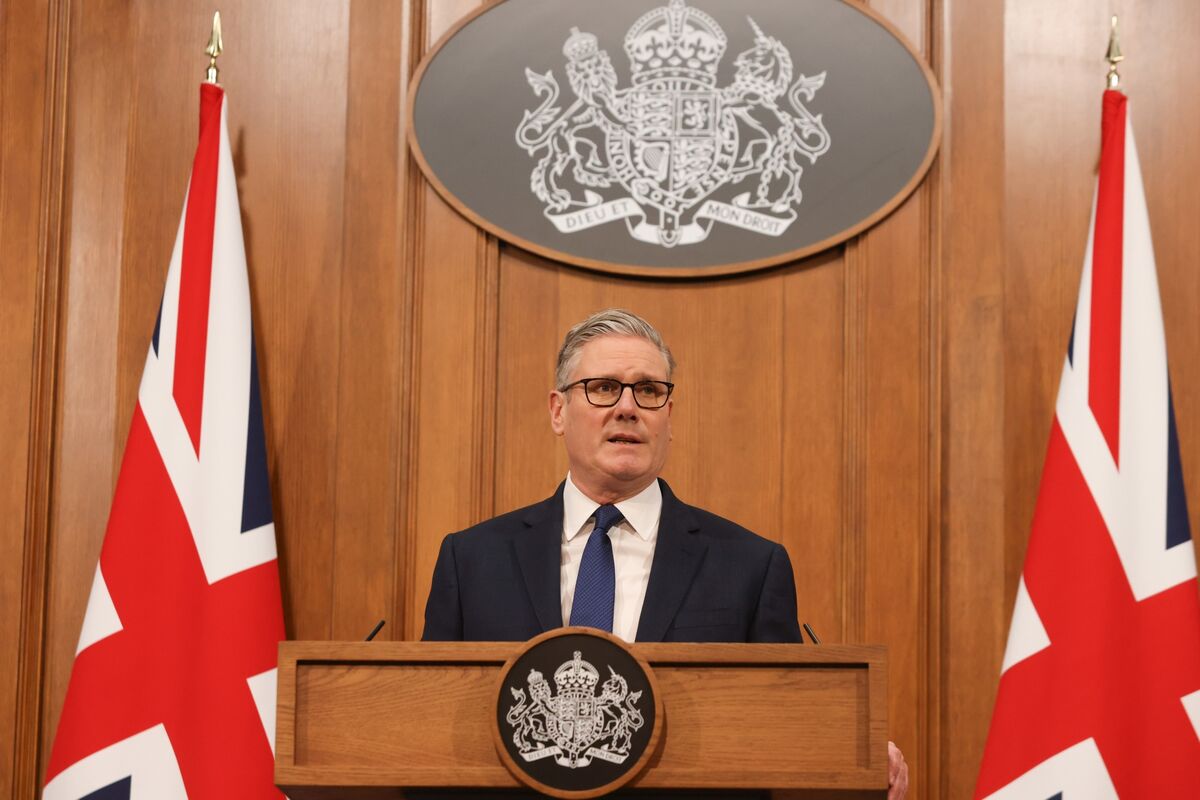
More than 55 Labour MPs were publicly calling for Keir Starmer to step down after the party's disastrous local election results, intensifying leadership pressure in the UK government. Allies of Health Secretary Wes Streeting have joined the calls, including his aide Joe Morris and MP Jas Athwal, fueling speculation that Streeting may be preparing a challenge. The article is politically significant but has limited direct market impact.
The immediate market implication is not policy, but paralysis. When a government looks internally unstable, the first-order economic damage is delayed capex: ministries defer decisions, boards postpone UK-specific hiring, and regulated sectors demand a higher political risk premium before committing capital. That should weigh most on domestically oriented UK assets with valuation support from policy visibility rather than global earnings power.
The second-order effect is that leadership uncertainty makes the overhang self-reinforcing: every week without a reset increases the odds of a broader factional split, which in turn raises the probability of either fiscal drift or a snap re-prioritization of spending. The market usually underprices how quickly this infects sterling duration trades — gilts can rally on a growth scare in the very short term, but if investors start to believe the next leadership configuration is less fiscally disciplined, the long end can cheapen again within weeks.
The best relative-expression opportunity is not a naked macro call, but a governance hedge: long international earners and short UK domestic cyclicals/financials that depend on business confidence and stable policy transmission. The risk case for the bearish UK view is that leadership pressure forces a cleaner, more market-friendly reset faster than expected, compressing the political uncertainty premium in days rather than months. The contrarian point is that headline turbulence often creates a better entry than the eventual policy outcome would justify; if the replacement narrative looks fiscally orthodox, the market may reverse sharply before the economy data do.
AI-powered research, real-time alerts, and portfolio analytics for institutional investors.
Request DemoOverall Sentiment
moderately negative
Sentiment Score
-0.30
