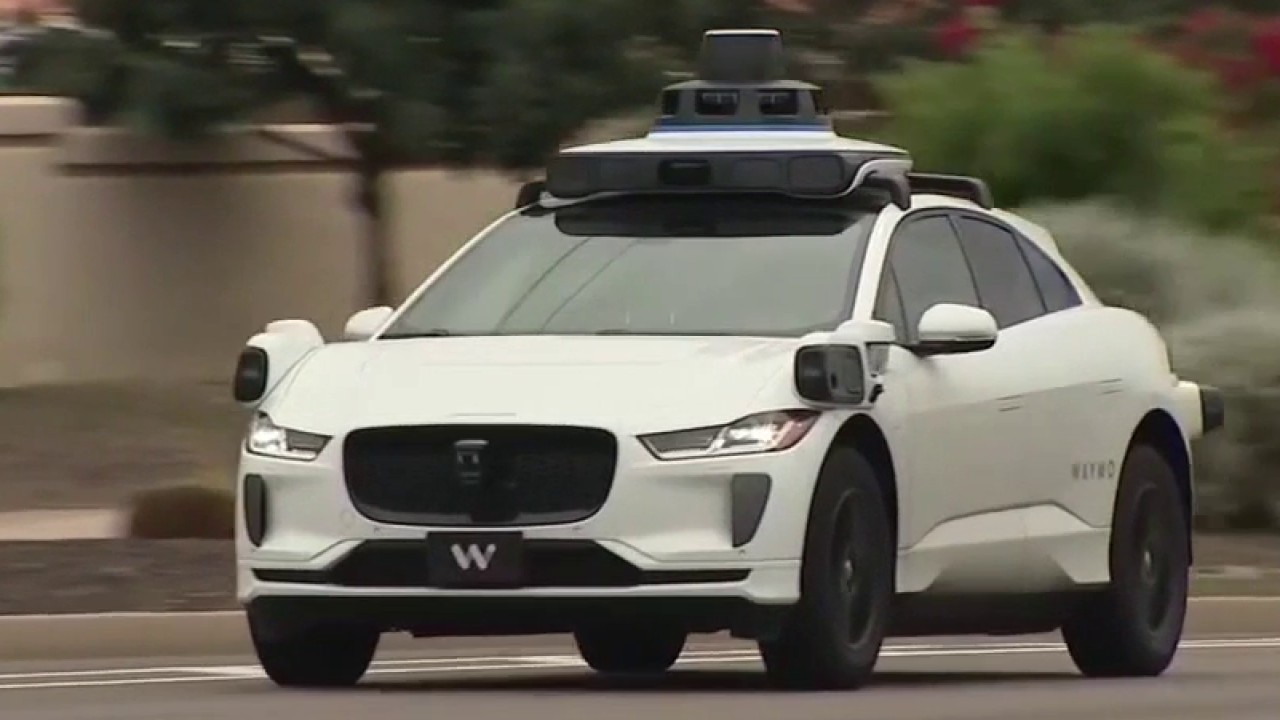
A Waymo autonomous vehicle struck a student in a low-speed collision near Grant Elementary in Santa Monica at about 7:40 a.m.; the student was unharmed. Waymo reports its system detected the pedestrian as they emerged from behind a tall SUV and braked, reducing speed from approximately 17 mph to under 6 mph before contact, and states a modeled attentive human driver would have contacted at ~14 mph. Waymo notified NHTSA and will open an investigation; the incident is unlikely to have immediate material financial impact but could increase regulatory scrutiny and reputational risk for autonomous vehicle operations.
Market structure: This incident is a short-term reputational test for Waymo/Alphabet (GOOGL) but does not meaningfully change the economics of AV rollout; suppliers of sensing/compute (NVDA, QCOM) remain primary beneficiaries as deployments scale. Expect localized demand-side friction (pilot slowdowns, press coverage) that can depress trial utilization by 5–15% in affected cities for 1–3 months, but pricing power for incumbent cloud/AI suppliers is intact. Cross-asset noise: modest rise in AV equity implied vol (+10–30% intraday) and marginal widening of municipal/transportation credit spreads if cities signal restrictions.
Risk assessment: Tail risks include a formal NHTSA enforcement action or municipal bans that could halt pilots in multiple cities (high-impact, low-probability; loss of 10–30% near-term revenue for AV ops). Time horizons: immediate = PR and vol spike (days); short = NHTSA inquiry and city hearings (30–90 days); long = adoption trajectory unchanged over 12–36 months absent repeated incidents. Hidden dependencies: insurance repricing, school-zone regulation changes, and OEM contractual clauses that can reallocate liability and costs downstream.
Trade implications: Tactical: favor large-cap infrastructure exposures (NVDA) and selectively add long GOOGL on any >3% multi-day pullback; size 0.5–2% position with 12–24 month horizon. Defensive/alpha: establish a 0.5% 3–6 month put-spread on MBLY (bear hedge) or short small-cap AV equity that markets have valued on narrative vs. revenue; consider NVDA long / MBLY short 1:1 pair to express infrastructure upside vs. operator/PR risk. Options: buy 3-month skewed puts on AV pure-plays around NHTSA milestones to capitalize on event-driven vol.
Contrarian angles: The consensus will overreact to a single low-speed contact; historical parallels (early Tesla Autopilot incidents) show 5–15% short-term drawdowns reversed within 6–12 months as regulation clarified. Mispricing risk: small-cap AV names with weak balance sheets are more likely to be repriced structurally; heavy regulation could accelerate consolidation, making large-cap suppliers (GOOGL, NVDA) longer-term winners.
AI-powered research, real-time alerts, and portfolio analytics for institutional investors.
Request DemoOverall Sentiment
neutral
Sentiment Score
-0.10
