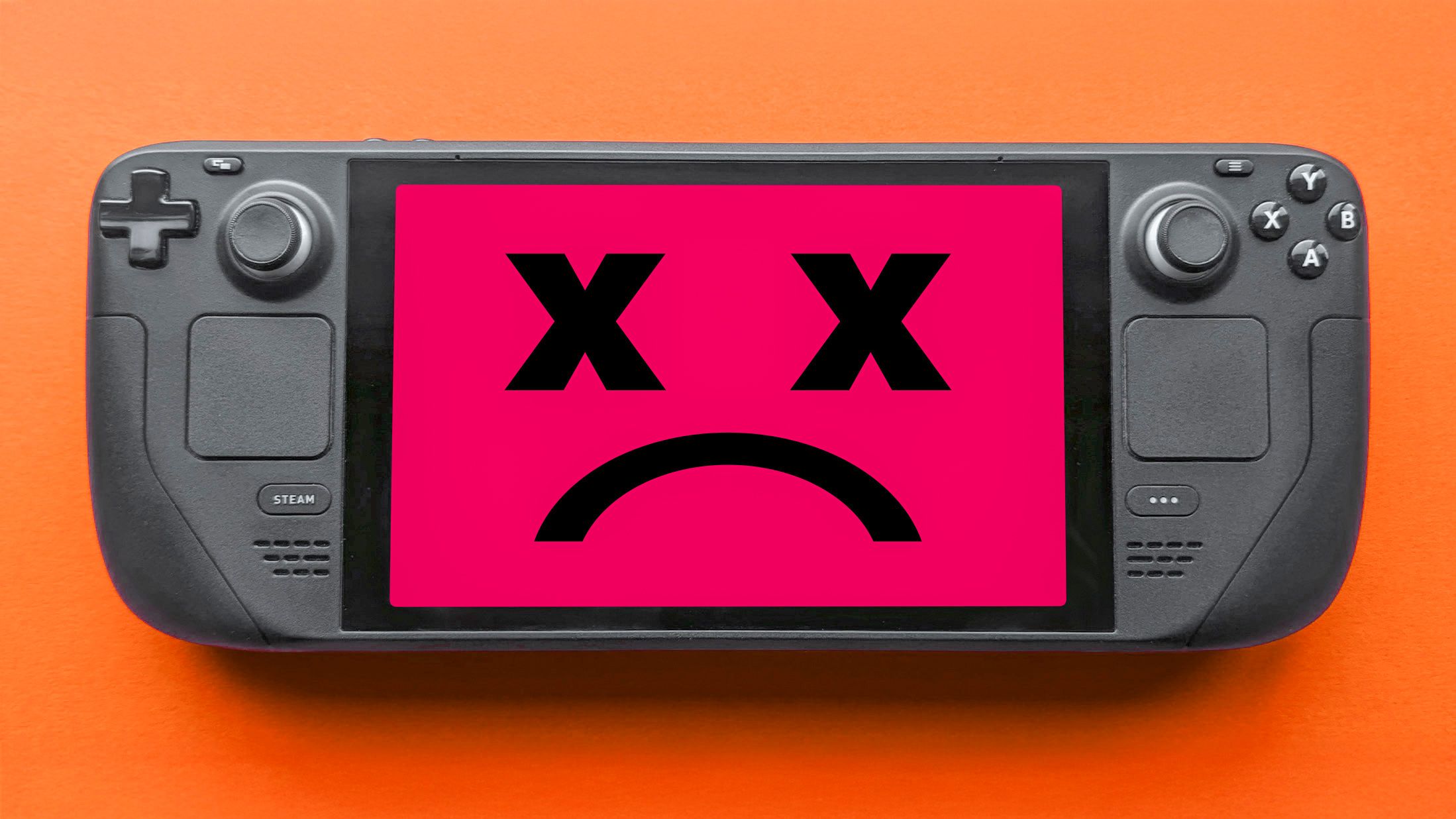
Valve is quietly phasing out the entry-level Steam Deck LCD in the U.S., with remaining stock cleared and no confirmed timeline for other regions; the LCD model historically sold at about $399 while the OLED replacement starts at $549. The move highlights margin pressure from rising component (RAM/storage) costs and shifts Valve’s new-customer default to a higher-priced SKU, which may raise average selling prices but risks compressing unit demand and fueling reseller premiums. For investors, the change signals a strategic product mix shift with limited near-term market impact but potential implications for hardware affordability and longer-term consumer adoption trends in PC handhelds.
Market structure: Valve’s move effectively forces an ASP step-change from $399 to $549 (+37.6%), favoring suppliers of OLED panels and premium handheld OEMs (ASUS/Lenovo) while squeezing low-margin, volume-focused supply chains. Expect share shift toward makers of higher-margin components (panel suppliers, premium SoC partners) and away from entrants competing on sub-$400 price points; discretionary wallet-share will compress, lowering unit demand by an estimated mid-single-digit percent over 6–12 months.
Risk assessment: Short-term (days–weeks) tail risks include scalper-driven resale spikes and inventory tightness; medium-term (1–3 months) risks include memory/OEM guidance misses if component costs remain elevated; long-term (quarters) risks include trade/export controls on OLED supply or Valve pulling back further from hardware. Hidden dependency: Valve’s platform revenue (Steam fees) cushions hardware losses — a hardware SKU rationalization may be strategic rather than purely cost-driven and reversible if component costs fall >15%.
Trade implications: Favor semiconductor supply chain names exposed to higher ASPs (panel suppliers, memory makers) and premium platform owners (MSFT/SONY) while de-emphasizing low-end hardware plays and thin-margin OEMs. Use directional equity plus defined-risk option structures over 3–12 month windows to capture a modest re-rating if memory/panel pricing sustains or to hedge if demand elasticities prove larger than expected.
Contrarian angles: Consensus assumes permanent margin pressure; market may underprice a scenario where LCD scarcity fuels strong used-market pricing and short-term ASP inflation for Valve/OEMs, benefiting resellers and memory suppliers. Historical parallel: console SKU rationalizations (e.g., PS Vita model cuts) temporarily tightened supply and raised used prices but ultimately reduced brand presence — watch 2–3 quarter cohort sales to differentiate a transient squeeze from structural exit.
AI-powered research, real-time alerts, and portfolio analytics for institutional investors.
Request DemoOverall Sentiment
mildly negative
Sentiment Score
-0.25
