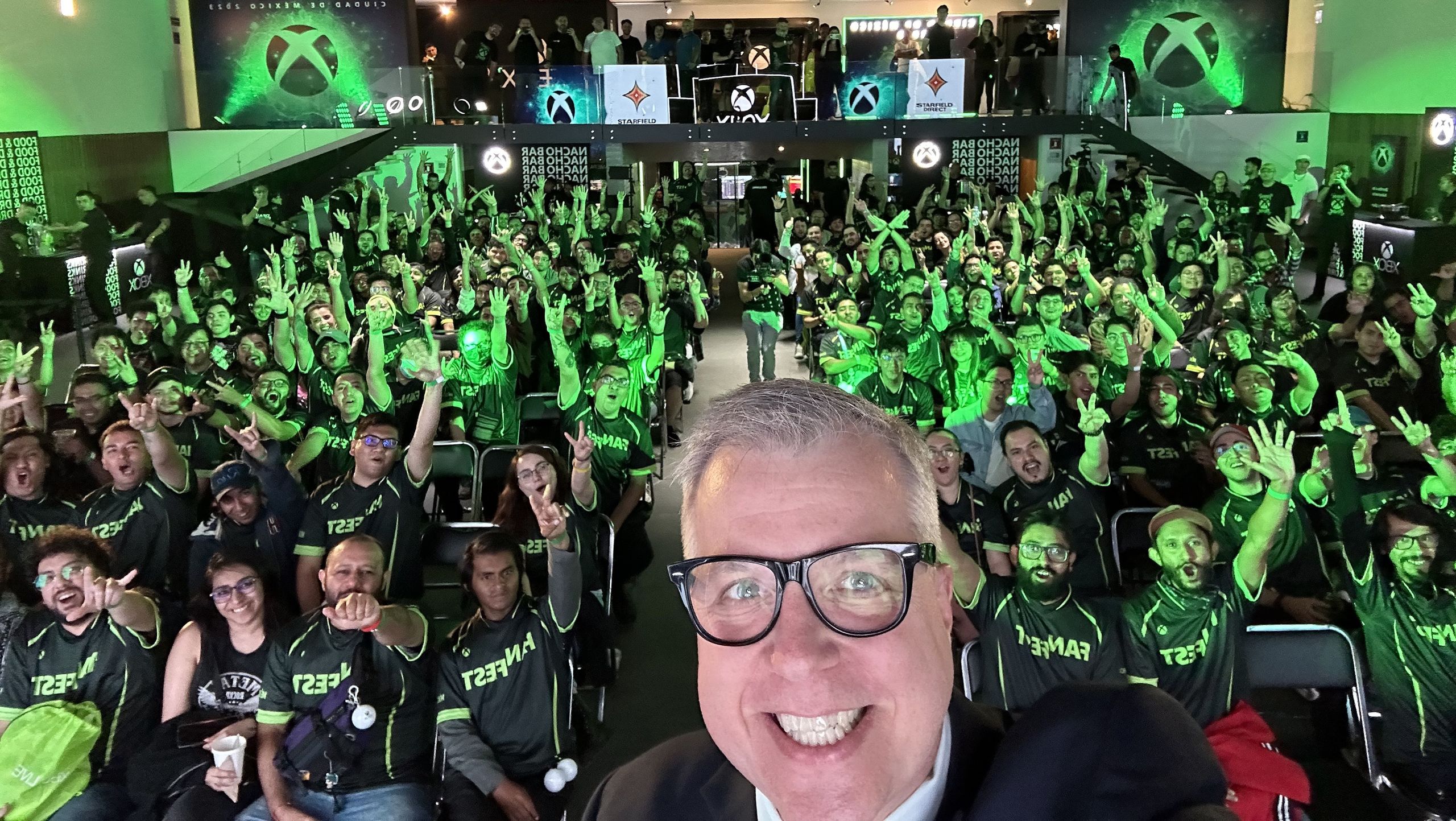
Larry Hryb (known as Major Nelson) was laid off by Unity 19 months after joining as director of community and advocacy, a high-profile departure confirmed via his LinkedIn post. The move occurs against a backdrop of repeated workforce reductions, office closures and developer backlash around Unity's controversial runtime fee, and follows the May 2024 appointment of CEO Matthew Bromberg after John Riccitiello's exit. While the layoff underscores reputational and operational risks to Unity's developer relations and brand stability, the article provides no financial metrics and the event alone is unlikely to be materially market-moving absent further company guidance or larger-scale disclosures.
Market structure: Unity’s continued layoffs and high-profile departures widen the advantage for competitors (Epic/Unreal, custom in‑house engines) and for platform owners with deep pockets (MSFT). Expect pricing power erosion for Unity’s licensing; developer migration risk could reduce Unity’s addressable revenue by a low‑double‑digit percentage over 12–24 months if defections accelerate. Cloud providers (Azure, AWS) and middleware who embed Unity runtimes could see short‑term demand softening.
Risk assessment: Tail risks include a developer exodus triggering a >30% revenue miss for Unity, mass class actions over runtime fees, or an opportunistic acquisition (friendly or distressed) within 12–24 months; regulatory antitrust exposure for large acquirers (MSFT) is a medium‑probability, high‑impact risk. Near term (days–weeks) reputational volatility is most likely; medium term (3–9 months) is governed by Unity’s next guidance and industry conferences (GDC). Hidden dependency: mobile/indie pipelines concentrated on Unity amplify contagion if a handful of big studios announce migration.
Trade implications: Direct plays favor modest long positions in MSFT (defensive platform exposure) and asymmetric short exposure to Unity (U). Use defined‑risk option structures: 3–6 month put spreads on U and 3–6 month call or covered‑call income on MSFT to harvest premium while retaining upside. Reallocate 2–5% of tech/gaming sleeve from small‑cap engine/tool vendors into top‑tier platform names over 1–3 months.
Contrarian angles: Consensus treats Unity as a one‑way breakdown; that may be overdone if management reverses policies or execution stabilizes — a 20–30% rally is plausible on policy reversal, creating squeeze risk for shorts. Historical parallels (tooling firms that reorganized and were acquired) show distressed multiples can compress then gap higher on consolidation; size shorts and options to survive a binary policy reversal within 30–90 days.
AI-powered research, real-time alerts, and portfolio analytics for institutional investors.
Request DemoOverall Sentiment
moderately negative
Sentiment Score
-0.45
Ticker Sentiment
