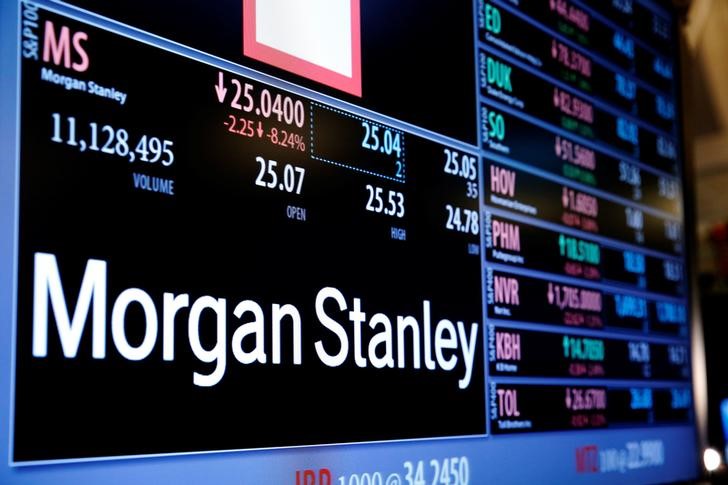
Morgan Stanley trimmed Petrobras’ price target to $28.50 from $29.00 but kept an Overweight rating, citing undervalued upstream assets, stronger-than-expected production potential, and continued dividend appeal. Petrobras trades at $20.56 and offers a 4.9% yield, with nine straight years of dividend payments. The company also posted Q1 2026 EPS of $1.09, beating consensus by 34.22%, though revenue of $23.54 billion missed estimates by 7.4%.
Petrobras is being re-rated less on headline oil beta and more on the durability of its cash return machine. The market still tends to treat it as a commodity proxy, but the real edge is that near-term distributions can remain attractive even if crude softens, which compresses the downside relative to other upstreams. That makes PBR more bond-like than the street usually prices it, with the valuation gap most likely to close when buy-side focus shifts from macro oil to execution and free cash flow conversion. The second-order winner is the Brazilian equity ecosystem: a credible upstream surprise and sustained dividends support domestic risk appetite, the BRL, and local financials that benefit from higher capital inflows. Conversely, global integrateds with more muted payout growth may look less compelling on a total-return basis if PBR can keep compounding production and distributions. The key competitive issue is not just reserve quality, but whether Petrobras can convert technical production upside into sustained market confidence before the next oil downcycle resets the narrative. The main risk is that this thesis is vulnerable to a few quarters of operational disappointment or a policy signal that dividend flexibility will be used for capex or political objectives. Because the stock’s appeal is anchored in cash returns, any cut to distribution expectations would likely compress the multiple quickly, even if EBITDA remains solid. Time horizon matters: in the next 1-3 months, the trade is mostly about sentiment and earnings quality; over 6-12 months, it depends on whether upstream volumes keep surprising to the upside without leverage creeping higher. Consensus is underappreciating how much of PBR’s upside can come from multiple expansion rather than oil prices. If the market starts valuing it closer to a high-yield cash compounder instead of a distressed EM energy name, the stock can rerate meaningfully without a dramatic move in Brent. That also means the current setup is better for steady accumulation on weakness than for chasing strength after a production beat.
AI-powered research, real-time alerts, and portfolio analytics for institutional investors.
Overall Sentiment
mildly positive
Sentiment Score
0.35
Ticker Sentiment
