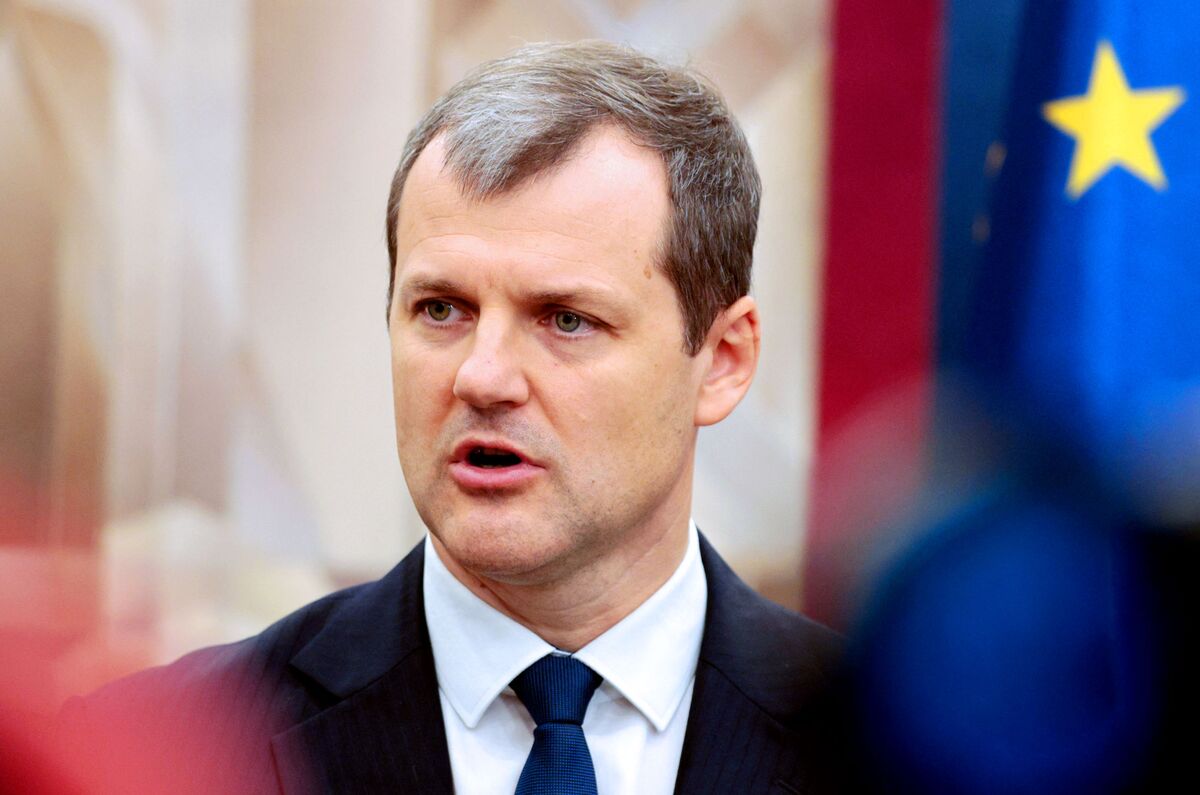
Lithuanian Prime Minister Gintautas Paluckas will resign, as confirmed by President Gitanas Nauseda, amidst mounting pressure and accusations regarding his business ties. This political development introduces leadership uncertainty within the Baltic nation.
The impending resignation of Lithuanian Prime Minister Gintautas Paluckas, confirmed by President Gitanas Nauseda, introduces significant political uncertainty for the Baltic nation. The resignation stems from mounting pressure over accusations related to the Prime Minister's business affiliations, highlighting a key governance risk. While the event carries a moderately negative sentiment score of -0.4, its perceived market impact is low at 0.3. This suggests that investors currently view the leadership change as a localized political issue with limited immediate contagion risk for broader European or global markets. The absence of any specific corporate entities in the report indicates the fallout is, for now, contained within the sovereign political sphere, focusing investor attention on national stability and the process of forming a new government.
AI-powered research, real-time alerts, and portfolio analytics for institutional investors.
Request DemoOverall Sentiment
moderately negative
Sentiment Score
-0.40
