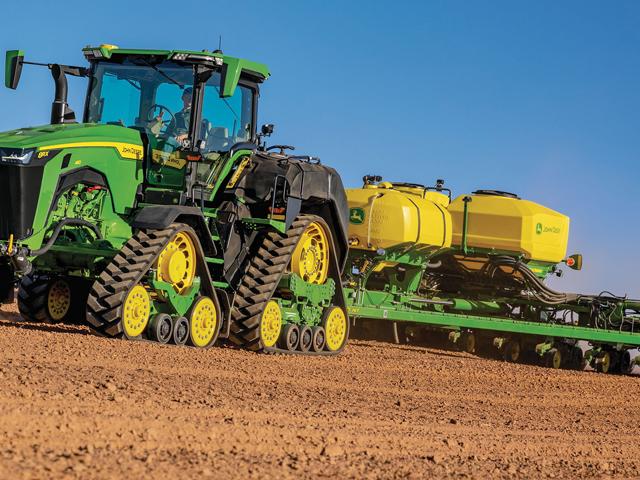
EPA issued guidance allowing manufacturers to replace urea/DEF quality sensors with NOx sensors and permit NOx retrofits without being treated as illegal tampering, and it enables software revisions to avoid sudden derating; starting with model year 2027 new on-road diesels must be engineered to avoid severe power loss when DEF is depleted. The Small Business Administration estimates the changes could save farmers $4.4 billion per year (prior SBA estimate cited $727M) and nearly $13.8 billion nationally, while EPA flagged DEF sensor failures as a significant warranty claim driver. Expect reduced downtime and warranty costs for farmers and truckers, lower aftermarket dealer service frictions, and modestly improved reliability/cost profiles for OEMs (e.g., Deere, AGCO).
This regulatory pivot re-weights profits from warranty/service friction back toward OEM manufacturing margins and away from aftermarket recovery mechanics. For a mid‑cap agricultural OEM with roughly $10bn in sales, a 0.5% reduction in warranty/field‑service expense translates to ~+$50m EBIT — enough to move consolidated operating margin by 30–70bps within 12–18 months and drive a discrete re‑rating if investors re‑forecast recurring FCF.
Dealers and captive service models are the main behavioural kink: easier owner repairs and fewer forced dealer resets will reduce urgent tow-and-warranty revenue but increase customer goodwill and retention for manufacturers that offer low‑friction software/service bundles. Expect OEMs that pivot to low‑cost, opt‑in software licensing to monetize reliability improvements; winners will be those that both cut field failures and preserve annuity revenue through value‑added remote services.
Sensor and control suppliers are in play from the equipment electrics redesign cycle — winners capture replacement content and aftermarket sensor sales, but face upfront qualification and calibration costs that compress near‑term margins for the supplier base. Supply‑chain winners will be those with validated high‑MTBF sensors and scale in calibration services; small niche suppliers risk longer qualification windows and order volatility.
Policy tail risks remain asymmetric: consumer‑facing reliability gains can reverse if regulators or NGOs demand tighter emissions proof points, creating a 12–36 month scenario where OEMs must re‑invest in more complex sensing or reporting. Monitor dealer revenue composition, service ARPU, and supplier qualification timelines as the fastest indicators the market has mispriced.
AI-powered research, real-time alerts, and portfolio analytics for institutional investors.
Request DemoOverall Sentiment
mildly positive
Sentiment Score
0.15
Ticker Sentiment
