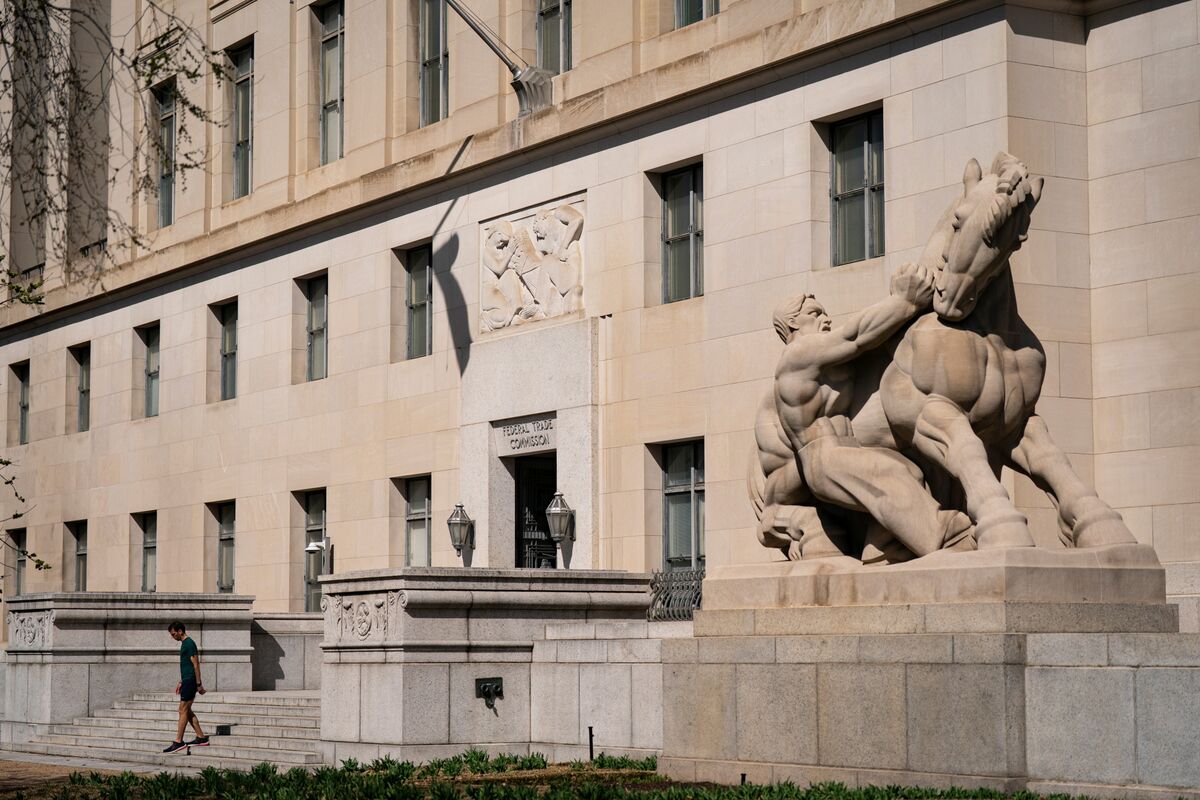
A U.S. District Judge expressed skepticism regarding the Federal Trade Commission's (FTC) demand for internal records from Media Matters for America, a liberal advocacy group, as part of an investigation into alleged advertising boycotts. The judge was "troubled" by the FTC's argument that recipients of its civil investigative demands cannot challenge them in court, potentially signaling a judicial check on the agency's investigative authority and implications for regulatory oversight.
A U.S. District Court has cast significant doubt on the Federal Trade Commission's (FTC) investigative authority, a development with potential implications for the broader regulatory landscape. During a hearing concerning the FTC's demand for internal records from the nonprofit Media Matters for America, Judge Sparkle Sooknanan expressed being "troubled" by the agency's argument that its civil investigative demands (CIDs) are immune to judicial challenge. This judicial skepticism signals a potential check on the FTC's power. Should the court rule against the FTC, it could establish a precedent that empowers other entities to challenge the scope of agency investigations, potentially slowing or limiting regulatory actions related to antitrust and consumer protection. While this case does not directly involve publicly-traded companies, its outcome is relevant for any sector facing heightened FTC scrutiny, as it could redefine the procedural landscape for future investigations.
AI-powered research, real-time alerts, and portfolio analytics for institutional investors.
Request DemoOverall Sentiment
neutral
Sentiment Score
0.00
