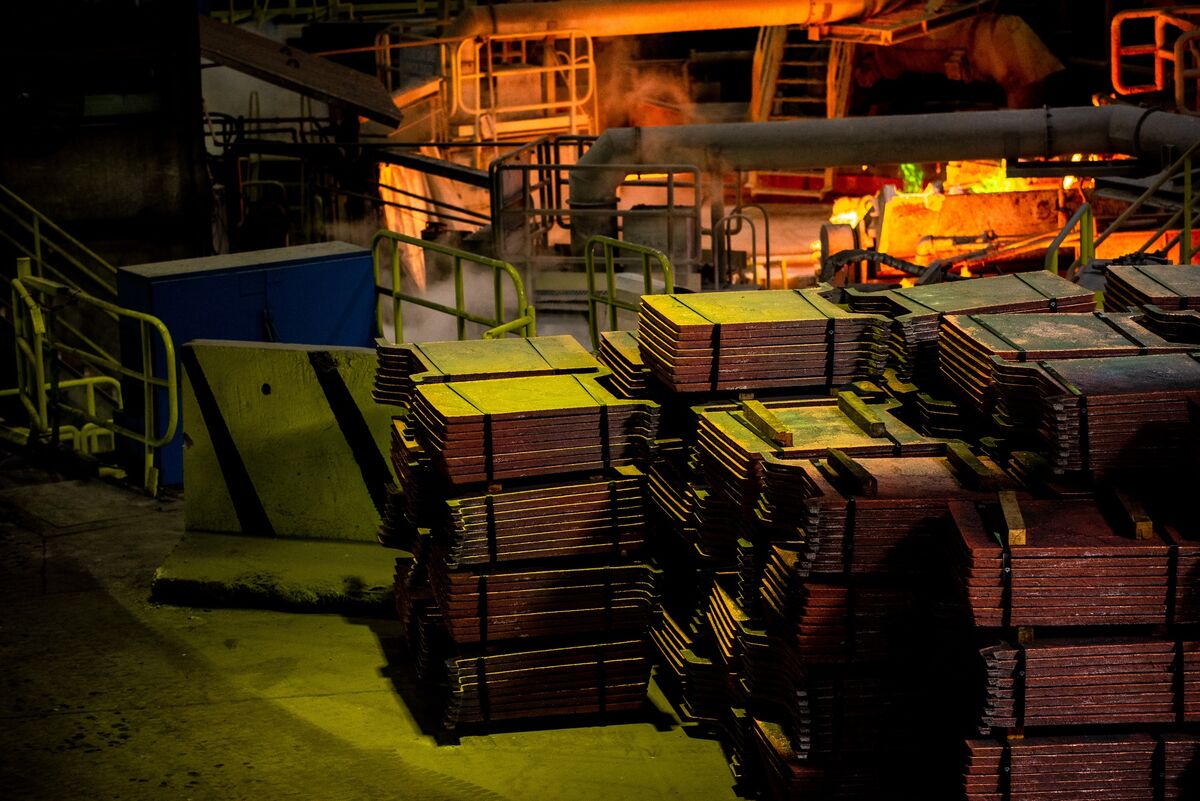
Chile's copper commission, Cochilco, has raised its copper price forecasts to $4.30 per pound for both this year and next, up from a previous estimate of $4.25, citing easing trade war tensions and supply disruptions. The revised projections reflect expectations of a market shift into deficit due to these factors.
Chile's government copper commission, Cochilco, has upwardly revised its copper price projections, signaling a more bullish outlook for the metal. The commission now anticipates an average price of $4.30 per pound for both the current year and the next, an increase from its prior forecast of $4.25 per pound for both periods. This revised forecast is attributed to two primary factors: an easing of global trade-war tensions, which likely supports industrial demand, and significant supply disruptions within the copper market. The confluence of these elements suggests a structural shift, with Cochilco indicating that the copper market is expected to swing into a deficit. This development is particularly relevant for investors tracking the commodities and raw materials sector, as well as those monitoring the impacts of trade policy and supply chain integrity on global markets, reflecting a strongly positive sentiment for copper fundamentals.
AI-powered research, real-time alerts, and portfolio analytics for institutional investors.
Request DemoOverall Sentiment
strongly positive
Sentiment Score
0.65
