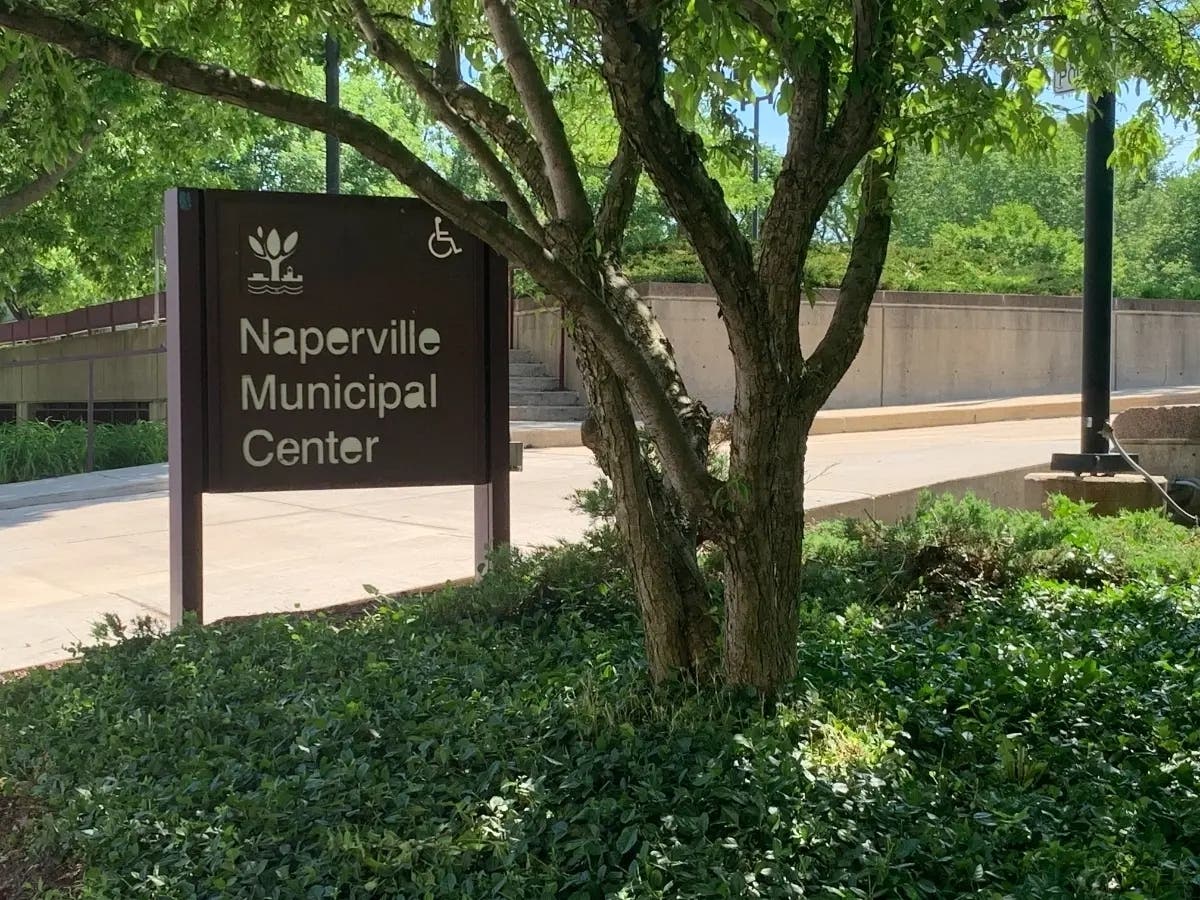
Naperville City Council voted 6-1 (with two abstentions) to deny a conditional use permit for Karis Critical’s proposed data center at 1960 Lucent Lane, overturning an earlier 8-1 planning commission recommendation; the company had scaled the project from 211,000 to 145,000 sq ft and lowered IT load from 36 MW to 24 MW (a 33% reduction), halving generators from 24 to 12 and reducing cooling units from 24 to 16. The decision follows strong community opposition citing diesel emissions, public-health and property-value concerns, and comes despite Karis saying it planned to invest “hundreds of millions” in the site; council members warned of likely legal challenges while also flagging alternative residential or mixed-use redevelopment as more appropriate for the parcel.
Market structure: The Naperville denial tightens greenfield pipeline risk for suburban data‑center sites — immediate winners are large, established landlords with existing footprints (Equinix, Digital Realty) who gain incremental pricing power in constrained suburban pockets; losers are small regional/greenfield developers and landowners who face higher permitting friction and longer payback periods. Expect localized rent pressure of +3–7% in constrained submarkets over 12–24 months if denials cluster; national supply growth may slow by 5–10% in near‑term municipal corridors.
Risk assessment: Tail risks include a cascade of municipal rejections or state‑level moratoria that reroute hyperscaler demand into fewer markets, producing price spikes and grid stress (high‑impact, low‑probability over 12–36 months). Short term (days–weeks) market impact is limited; medium term (3–9 months) permitting/legal appeals will create idiosyncratic volatility; long term (12–36 months) capex shifts could raise build costs 5–15% (ESG-driven diesel/regulation upgrades). Hidden dependency: operator economics hinge on local emissions rules and backup‑power regulations — a single adverse ruling can amplify capex by millions per site.
Trade implications: Favored trades are long large-cap data‑center REITs and targeted call spreads (6–12 months) to capture incremental rent re‑rating; hedge with short exposure to small/regional developers and buy puts on builders exposed to greenfield permitting. Cross‑asset: municipal bond curves in suburban areas could cheapen modestly if development tax base expectations fall; energy names in permissive states may see higher demand from concentrated buildouts.
Contrarian angles: Consensus treats this as purely local NIMBY risk; it understates the reallocation benefit to permissive states (TX, OH) and incumbents with existing capacity — expect migration of hyperscaler capex rather than demand destruction. Reaction is likely underdone for large landlords (EQIX/DLR) and overdone for nimble hyperscalers who can redeploy capacity; historical parallels include airport/noise restrictions that raised rents elsewhere rather than killing demand. Unintended consequence: tighter local supply could accelerate investment in on‑site green backup (battery+PV), creating multi‑year equipment winners.
AI-powered research, real-time alerts, and portfolio analytics for institutional investors.
Request DemoOverall Sentiment
moderately negative
Sentiment Score
-0.35
