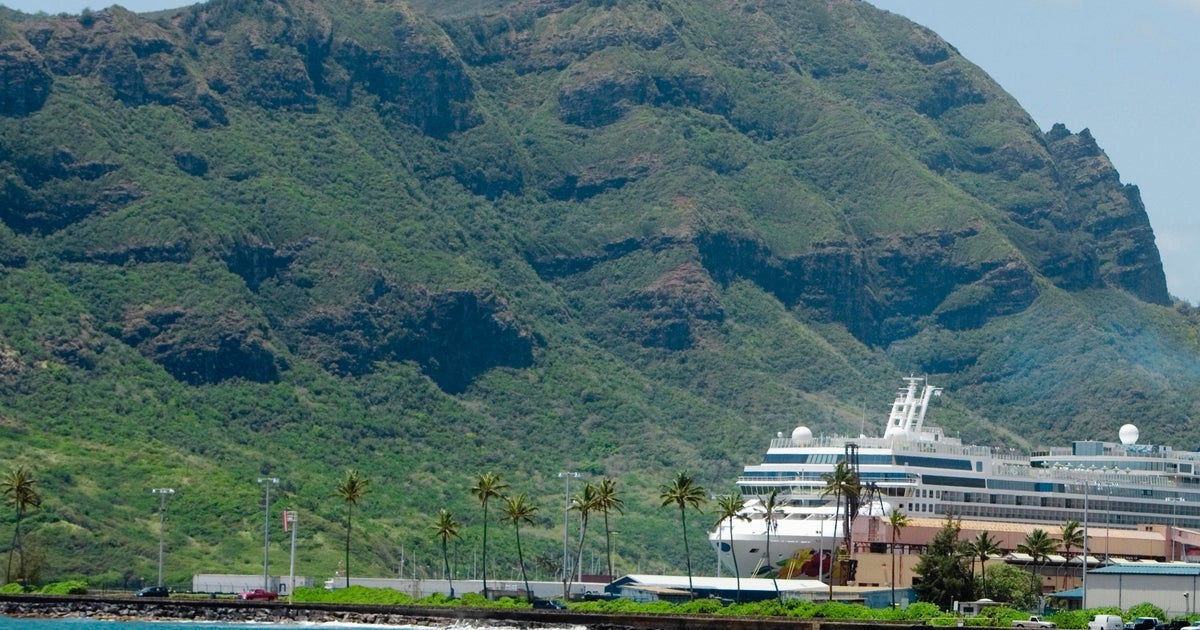
Hawaii enacted a climate-focused transient accommodation tax package that imposes an 11% levy on cruise passengers' gross fares (prorated to days in port) — with counties able to tack on an extra 3% for a potential 14% total — projected to raise nearly $100 million annually beginning at the start of 2026. A federal judge denied an injunction to block enforcement, but plaintiffs including Cruise Lines International Association plan to appeal, leaving cruise operators exposed to higher operating costs and legal uncertainty that could modestly pressure margins and regional tourism receipts.
Market structure: Cruise lines (CCL, RCL, NCLH) are the direct losers — an incremental 11–14% levy on prorated Hawaii fares effectively raises ticket costs for Hawaii itineraries by an estimated 3–8% on average, pressuring yield on those routes and opening room for price-sensitive demand destruction (expect a 2–5% drop in bookings for Hawaii sailings in 2026 absent price absorption). Winners are municipal balance sheets and climate/resilience contractors (engineering firms that win state-funded shoreline projects); Hawaii expects ~ $100M/year which improves near‑term state cash flow but could redistribute tourist mix away from cruises. Cross-asset: cruise equity volatility should rise; short-dated puts and CDS-like hedges become cheaper relative to broader leisure ETFs; small positive for Hawaii muni bonds on fiscal resilience but negligible for federal credit.
Risk assessment: Tail risks include a federal injunction (plaintiffs have appealed) or punitive federal preemption that would reverse the law — low probability but high impact, likely decided within 30–90 days of appeal filings. Short-term (days–weeks) pricing moves will track court hearing cadence and booking windows; medium-term (3–12 months) the market will price in elasticity of demand and company guidance revisions; long-term (1–3 years) anticipate route reshuffling and modest permanent margin pressure on Hawaii itineraries. Hidden dependencies: itineraries can be rerouted (operational cost), counties adding 3% surcharge could push effective tax to 14% and materially change economics for multi-day Hawaii port calls.
Trade implications: Direct plays: small, hedged short exposure to CCL/RCL/NCLH via 3–6 month put spreads to capture booking/appeal risk while capping premium; avoid outright large directional shorts until injunctive motion outcome. Pair trade: short cruise lines vs long global leisure ETF (e.g., XLY or MAR) to isolate Hawaii-route shock. Sector rotation: rotate 0.5–1% portfolio weight into engineering/contractors with coastal resilience exposure (J, TTEK) on a 12–36 month horizon. Entry/exit: initiate hedged shorts now, amplify only if bookings for Hawaii itineraries decline >3% QoQ or appeals fail.
Contrarian angles: Consensus focuses on immediate headline damage to cruises but underestimates legal reversals — the federal intervention signals a realistic path to injunction which would create a short‑squeeze if shorts are crowded; size positions accordingly. Historical parallels (Venice/other tourist taxes) show demand adjusts rather than collapses: taxes often shift composition of tourists but not total spend over 12–24 months, implying limited permanent market-share loss for major cruise operators. Unintended consequence: higher tax could accelerate investment in shore‑based excursions, benefiting local tour operators and logistics suppliers, a niche to watch for selective long-pocketed opportunities.
AI-powered research, real-time alerts, and portfolio analytics for institutional investors.
Request DemoOverall Sentiment
moderately negative
Sentiment Score
-0.30
