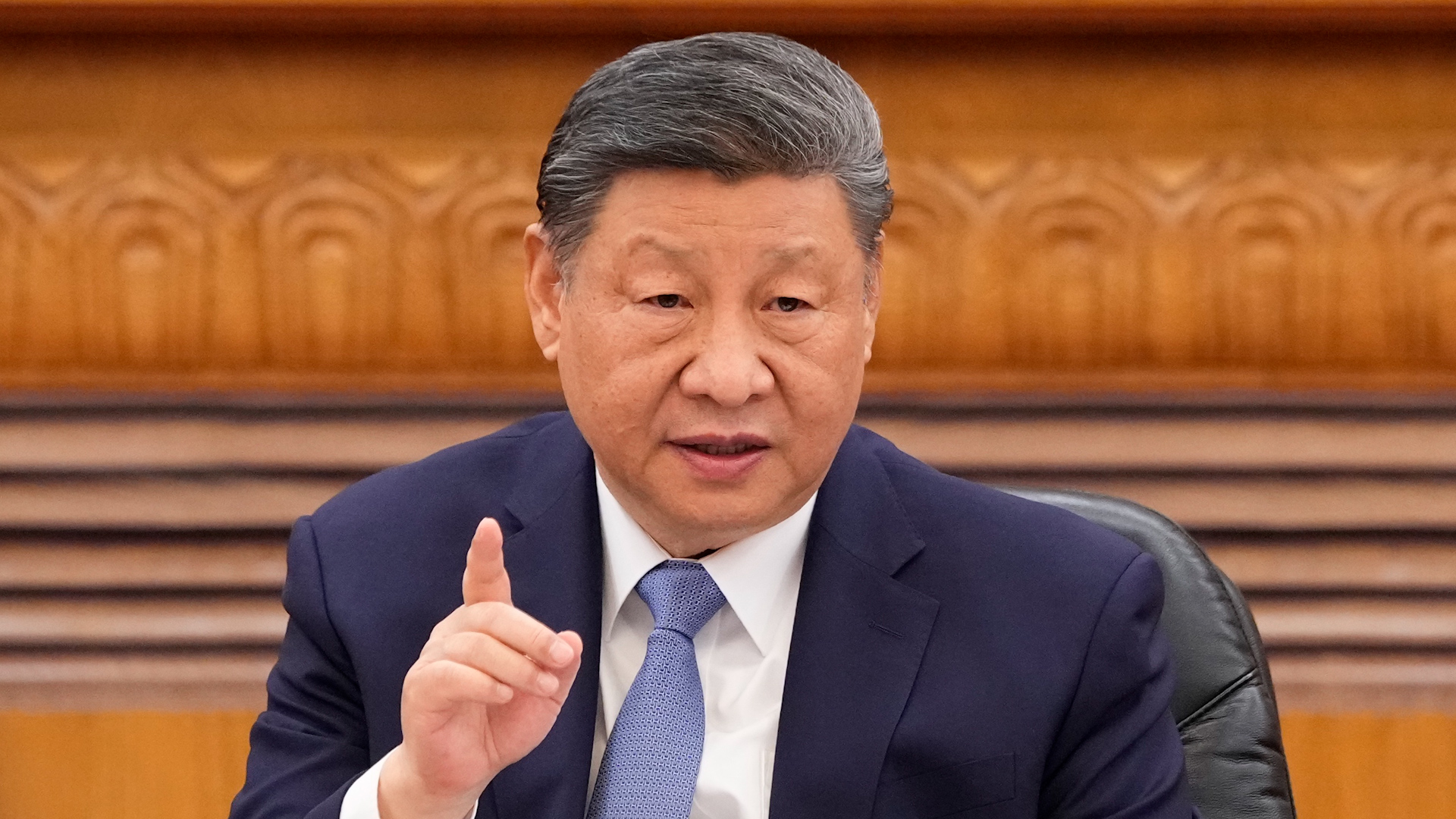
Brazilian President Lula da Silva engaged in discussions with Chinese President Xi Jinping, following similar talks with Indian and Russian leaders, to reinforce multilateralism through the G20 and BRICS. This diplomatic outreach, framed as a response to past US trade policies and amid current global geopolitical tensions including the Russia-Ukraine war, underscores Brazil's strategic alignment with major emerging economies and its commitment to a multipolar world order, potentially influencing future trade and alliance dynamics.
Brazil is actively reinforcing its strategic alignment with China and other BRICS nations through high-level diplomatic engagement, positioning itself as a key player in a multipolar world order. President Lula's discussions with President Xi, framed as a response to past US trade unilateralism, centered on strengthening multilateral institutions like the G20 and BRICS. This dialogue, which also covered the Russia-Ukraine conflict, signals a coordinated effort among major emerging economies to build alternative geopolitical and economic frameworks independent of US influence. While the immediate market impact is low, this development points to a long-term strategic pivot that could reshape trade flows, with Brazil likely deepening its economic ties with China. This move underscores a growing trend of de-dollarization and the formation of non-Western economic blocs, a critical theme for investors focused on emerging markets and global trade dynamics.
AI-powered research, real-time alerts, and portfolio analytics for institutional investors.
Request DemoOverall Sentiment
neutral
Sentiment Score
0.00
