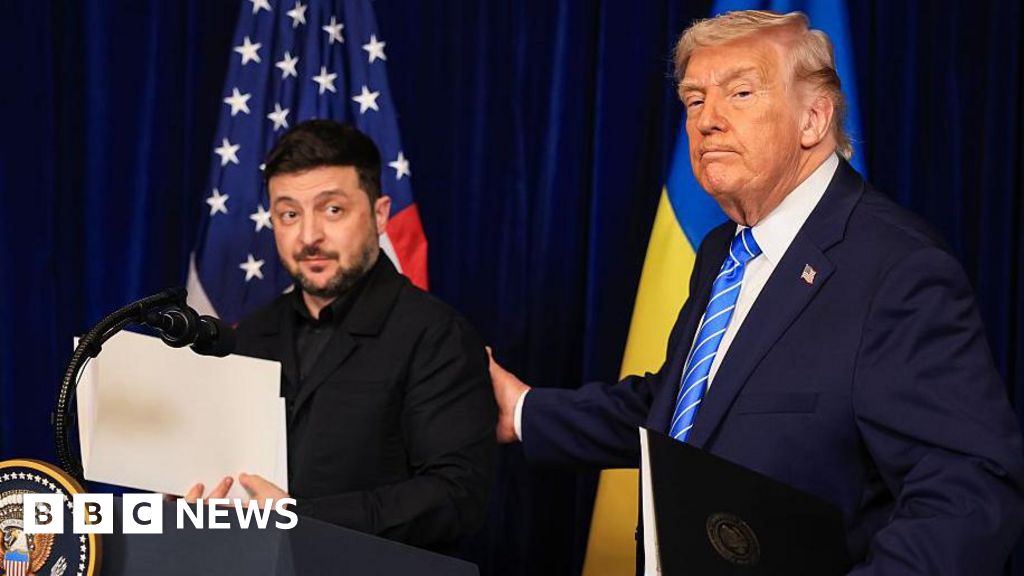
Negotiations between Russia, Ukraine and the US are reportedly at a 'final stage' but face several decisive sticking points that could derail a peace deal, notably control of Donetsk/Donbas and the fate of the Zaporizhzhia nuclear plant. Putin insists on full Donbas control while Kyiv proposes demilitarised zones and international policing; the Zaporizhzhia plant's six reactors remain in cold shutdown and Kyiv, Washington and Moscow disagree on governance (US proposes joint management; Russia insists on sole control via Rosatom). Other major issues include Ukraine's request for NATO-style security guarantees, retention of an 800,000-strong military, an estimated $800bn in Ukrainian financial losses and proposals for a joint investment fund with Europe versus use of €210bn in frozen Russian assets; Zelensky also demands a referendum and 60-day ceasefire, which Moscow rejects.
Market structure: A negotiated pause or limited peace would compress the wartime risk-premium in defense contractors and energy/infrastructure risk but would reallocate demand toward reconstruction, utilities and heavy industry. Near-term winners if deal advances: EU construction/steel (reconstruction demand >€50–200bn over 2–5 years) and uranium/nuclear services (plant restart capex >$5–20bn). Losers if deal passes: front-line LNG suppliers and winter gas volatility plays; losers if deal fails: European power grids, grain/logistics exporters and any firms with exposure to prolonged sanction regimes.
Risk assessment: Tail risks include a nuclear incident at Zaporizhzhia (low probability, >$100bn systemic shock to regional markets) and collapse of talks leading to renewed offensive (weeks–months) that would spike oil/gas +20–40% and defense equities +15–30% in 1–3 months. Hidden dependencies: Kakhovka dam repair is a gating factor for plant restart and thus for meaningful nuclear output; frozen Russian assets (€210bn) are politicized and unlikely to be rapidly mobilised without legal resolution. Key catalysts: France meeting on Jan 6 (48–72h market reaction window) and public release of a security-guarantee draft.
Trade implications: Tactical trades should exploit event-driven volatility around Jan 6 and the 30–90 day follow-through; favour 1–3% tactical convextiy positions (options) rather than large directional cash positions. Buy reconstruction/exposed cyclicals on confirmed ceasefire + formal fund (>€50bn) within 30 days; buy defense on breakdown signals (sustained >10% move in Russian offensive headlines). Use volatility products (short-dated straddles/strangles around the Jan meeting for gas and FX) and 6–18 month call spreads for uranium and heavy industry for asymmetric upside.
Contrarian angles: Consensus assumes either binary peace or war; markets underprice a protracted negotiated settlement that leaves Russia control of parts of Donbas but unlocks reconstruction money — this scenario benefits steel, heavy civils and European utility contractors but not immediate energy supply. Reaction may be overdone in defense names (sell-on-rumour if ceasefire confirmed) while uranium/nuclear service stocks are under-owned relative to multi-year capex required; historical parallels: Balkan/peace-process runs show construction names outperform defence by 20–50% in first 12–24 months post-agreement. Unintended consequence: a deal that leaves Russian control of energy assets could create long-term geopolitical supply dualism, keeping volatility elevated for commodities.
AI-powered research, real-time alerts, and portfolio analytics for institutional investors.
Request DemoOverall Sentiment
moderately negative
Sentiment Score
-0.42
