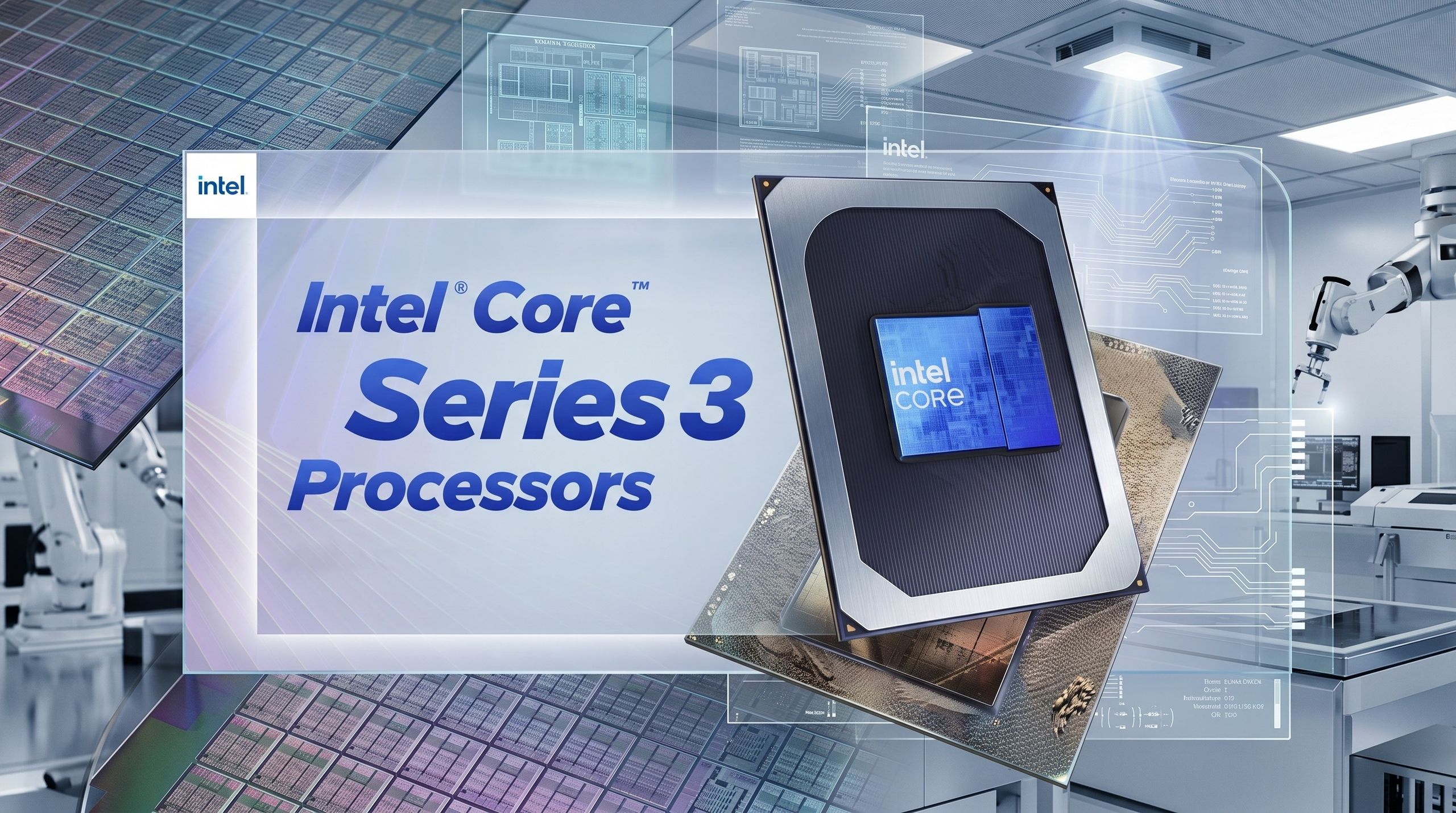
Honor, ASUS, and HP have launched budget laptops powered by Intel Core 5 320 CPUs at roughly the same price as Apple’s MacBook Neo, but with 16GB RAM and 512GB storage versus the MacBook Neo’s lower base specs. Prices in China range from 4,399 RMB to 5,099 RMB, or about $571 to $662 before tax, positioning them as direct value competitors in the sub-$600 laptop segment. The news is constructive for Windows OEMs and Intel’s low-cost PC push, but the likely market impact is limited.
This is less a direct Apple shock than a proof that the sub-$700 “new laptop” market is no longer a one-player convenience trade. The immediate winner is Intel: Wildcat Lake is now the lowest-friction way for OEMs to close a spec gap that had been implicitly benefiting Apple on perceived value. If the chip performs anywhere near the early benchmark spread, Intel can defend socket share in a segment where unit volumes matter more than ASPs, while HPQ and the other OEMs gain a cleaner value proposition against both MacBooks and refurbished Windows machines.
For AAPL, the risk is not near-term unit collapse; it is margin dilution from having to keep the entry SKU artificially compelling against better-equipped Windows hardware at similar street prices. The bigger second-order effect is channel behavior: retailers now have a comparable, immediately available alternative with 16GB/512GB, which raises the likelihood that budget-conscious buyers defer or trade down from Apple into Windows when promotions hit. That matters over the next 1-2 quarters, especially around back-to-school and holiday inventory planning, where small spec differentials can drive outsized attach rates.
MSFT is the most interesting contrarian loser/winner mix. Microsoft benefits from more affordable Windows hardware expanding the addressable base, but it loses some halo effect if OEMs solve the value gap without any Windows-specific innovation; the operating system becomes the commodity, not the differentiator. The consensus is likely overrating Apple’s ability to “win” the budget tier purely through brand; the more durable thesis is that OEM competition will compress the premium attached to entry-level Macs and keep Windows share resilient in volume terms.
AI-powered research, real-time alerts, and portfolio analytics for institutional investors.
Overall Sentiment
mildly positive
Sentiment Score
0.15
Ticker Sentiment
