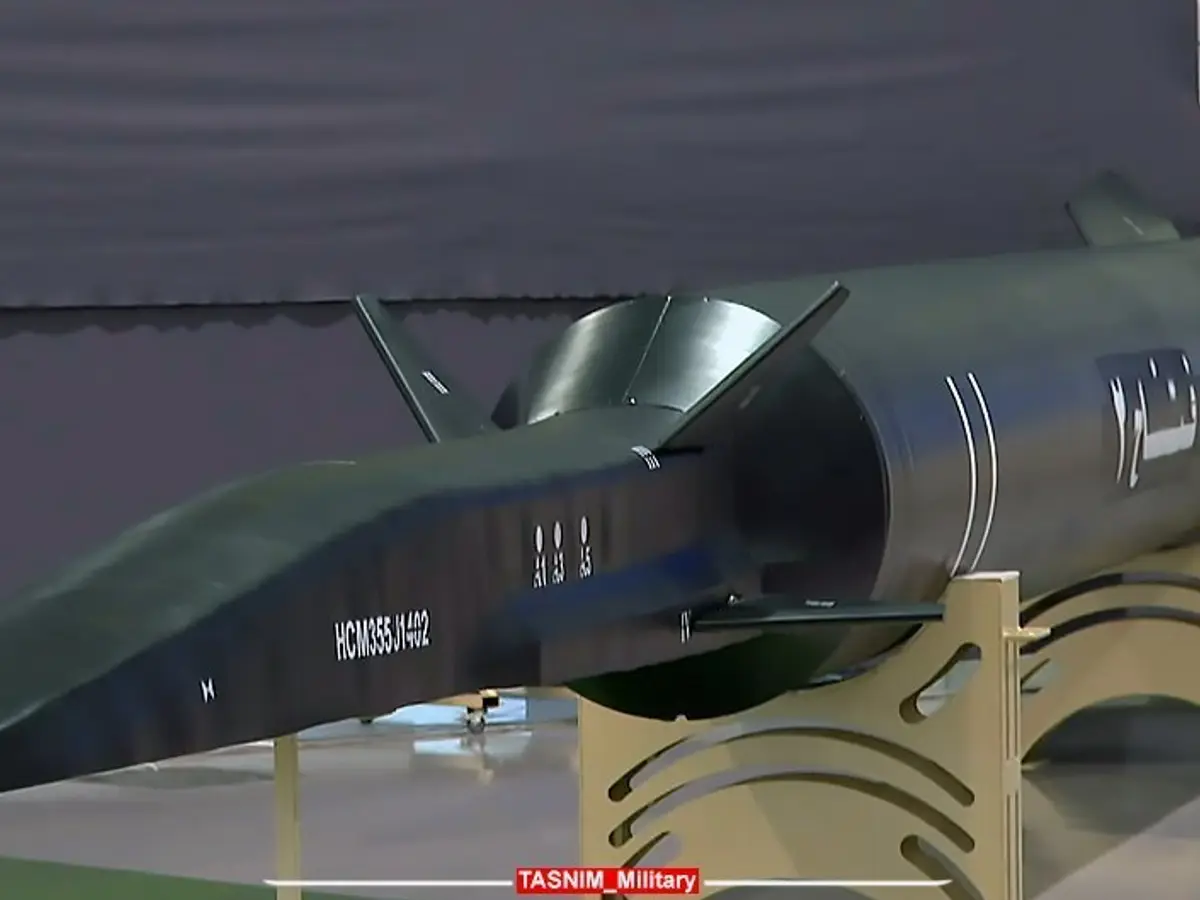
The piece analyzes the threat posed by Iran's Fattah-2 hypersonic glide vehicle—capable of >Mach 13, maneuvering in the upper atmosphere and generating a plasma sheath that can degrade radar—against a Nimitz-class carrier. U.S. mitigations include the AN/SLQ-32(V)7 SEWIP Block III electronic warfare system and the RIM-174 SM-6 Dual II interceptor, but vulnerabilities remain in target acquisition ('kill chain') and the potential for saturation volleys that could mission-kill a carrier's flight deck even if not sinking the ship.
Market Structure: Clear winners are large defense primes and EW/missile suppliers (RTX, LMT, NOC, LHX) and ETF plays (XAR, ITA) as governments shift capex to heat-seeking interceptors, EW upgrades and stockpiles; losers include commercial shipping insurers, cruise/airline operators and regional ports facing higher premiums and potential rerouting costs. Expect pricing power for proven integrators to rise 5–15% in contract margins over 12–24 months due to long lead times and constrained RF/GaN semiconductor supply.
Risk Assessment: Tail risks include a kinetic escalation that spikes oil >$120/bbl and safe-haven flows into USD/Treasuries within days; an adverse Congressional funding decision or export-control shock could cut program revenue by >20% in 3–6 months. Hidden dependencies: GaN/RF fab capacity, vendor single-source parts and software integration schedules drive delivery risk; catalysts include a major missile test (positive) or a confirmed carrier-swarm incident (negative) within 0–90 days.
Trade Implications: Tactical allocation: rotate 2–4% portfolio weight into large-cap defense (RTX, LMT) over next 2–8 weeks on pullbacks >3%; implement 9–18 month call spreads (buy 10% OTM, sell 30% OTM) sized to 1% risk per name to lever convexity while capping spend. Cross-asset: go 1–2% long energy (XLE) if WTI breaches $95/bbl, hedge FX exposure with a 3–6 month long USD basket if risk-off intensifies.
Contrarian Angles: Consensus overstates immediacy — procurement, testing and production mean revenue realization is lumpy and often 12–36 months out; small-cap EW vendors may be overvalued now and vulnerable to contract delays. Historical parallel: post-2014 spikes in defense sentiment produced 12–24 month alpha for primes but rapid mean-reversion for one-off contractors; watch for >15% ETF rallies as sell triggers.
AI-powered research, real-time alerts, and portfolio analytics for institutional investors.
Request DemoOverall Sentiment
moderately negative
Sentiment Score
-0.35
