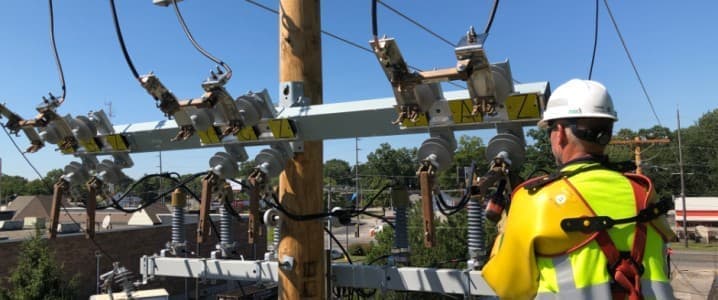
The U.S. high-voltage electricity transmission network is critically underperforming, adding only 888 miles in 2024 against an estimated 5,000 miles needed annually, creating a significant bottleneck for surging electricity demand, particularly from AI data centers. This slow expansion, exacerbated by regulatory fragmentation and disincentives for investor-owned utilities, jeopardizes grid reliability, as highlighted by NERC, and introduces potential stranded asset risk for traditional transmission infrastructure given the faster deployment of distributed generation alternatives like solar-plus-battery systems.
The U.S. high-voltage transmission grid is facing a critical development deficit, creating a significant bottleneck that jeopardizes grid reliability and threatens to constrain growth, particularly from the burgeoning AI sector. The nation is adding transmission capacity at a fraction of the required pace, with only 888 miles built in 2024 against an estimated annual need of 5,000 miles, according to the Department of Energy. This shortfall is colliding with a projected 3% annual increase in nationwide electricity demand from data centers, creating a tight margin against the roughly 4% annual growth in generating capacity. The issue is rooted in fragmented state and federal regulation and a lack of incentive for investor-owned utilities to build lines that may increase competition. Critically, this environment elevates the viability of distributed generation, such as solar-plus-battery farms, which can be deployed in under 12 months. This introduces a significant, and currently unpriced, stranded asset risk for traditional transmission infrastructure, challenging the 'risk-free' perception of these assets among bond raters and signaling a structural shift in how grid reliability will be achieved and financed.
AI-powered research, real-time alerts, and portfolio analytics for institutional investors.
Overall Sentiment
strongly negative
Sentiment Score
-0.70
Ticker Sentiment
