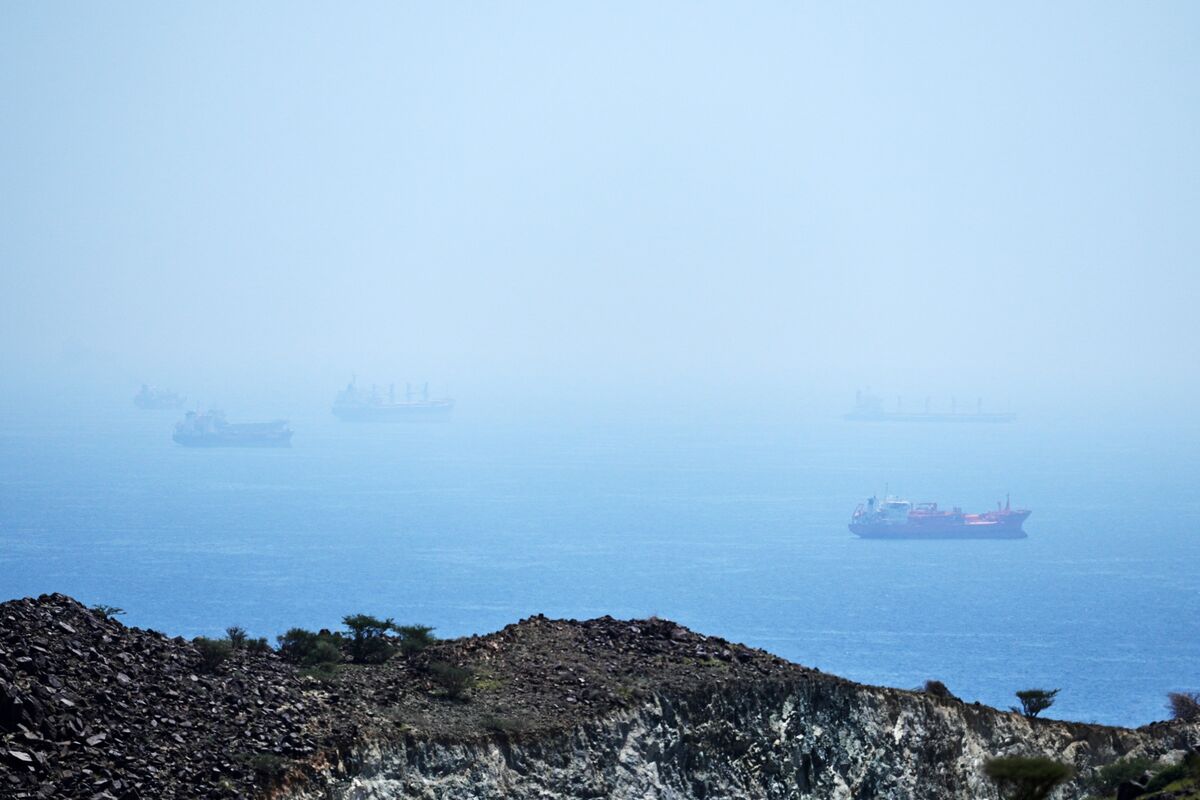
A commercial vessel was reportedly seized 38 nautical miles off the UAE coast and is now bound for Iran, escalating uncertainty around control of the Strait of Hormuz. The incident comes as US efforts to end the Iran war stall, raising the risk of disruption to a critical global shipping chokepoint and potential volatility in energy and freight markets.
This is less about the immediate shipping incident and more about the market repricing of sovereign control risk in the Strait of Hormuz. Even a single seizure event can force charterers, insurers, and commodity desks to assume a higher probability of disruption, which widens freight, war-risk premia, and prompt crude differentials faster than headline Brent reacts. The first-order beneficiaries are any assets with direct exposure to a sustained risk premium: tanker names, shipping insurers/reinsurers, and integrated energy producers with upstream leverage; the first-order losers are refiners, chemical producers, airlines, and industrials that rely on predictable feedstock and bunker costs. The second-order effect is supply-chain optionality getting destroyed. If owners begin rerouting, slowing, or delaying Gulf-linked voyages, the impact compounds across inventory cycles within days, not months: higher days-to-arrival forces higher working capital, and a modest increase in voyage duration can meaningfully tighten available vessel supply. That tends to be bullish for rates across crude and product shipping even without a major physical interruption, while defense/security contractors can see a lagged but durable funding tailwind if regional protection measures expand over the next quarter. The key catalyst path is escalation versus de-escalation. If this remains an isolated event and diplomacy reasserts control within 48-72 hours, the move should fade; if there are follow-on incidents, the market will price a non-linear tail risk of partial Hormuz disruption over the next several weeks. The asymmetry is that energy-importing sectors often underreact at first, then gap lower when insurers or operators change underwriting terms, so the risk/reward favors hedging now rather than waiting for a confirmed supply shock. The contrarian view is that the market may be overestimating the probability of actual barrel loss while underestimating the persistence of risk-premium inflation. Historically, many Gulf incidents produce a sharp but temporary spike in freight and crude vol rather than a lasting supply shortage, especially if major powers intervene quickly. That makes outright chasing spot oil less attractive than positioning for volatility and relative value in transport and energy equities.
AI-powered research, real-time alerts, and portfolio analytics for institutional investors.
Request DemoOverall Sentiment
strongly negative
Sentiment Score
-0.55
