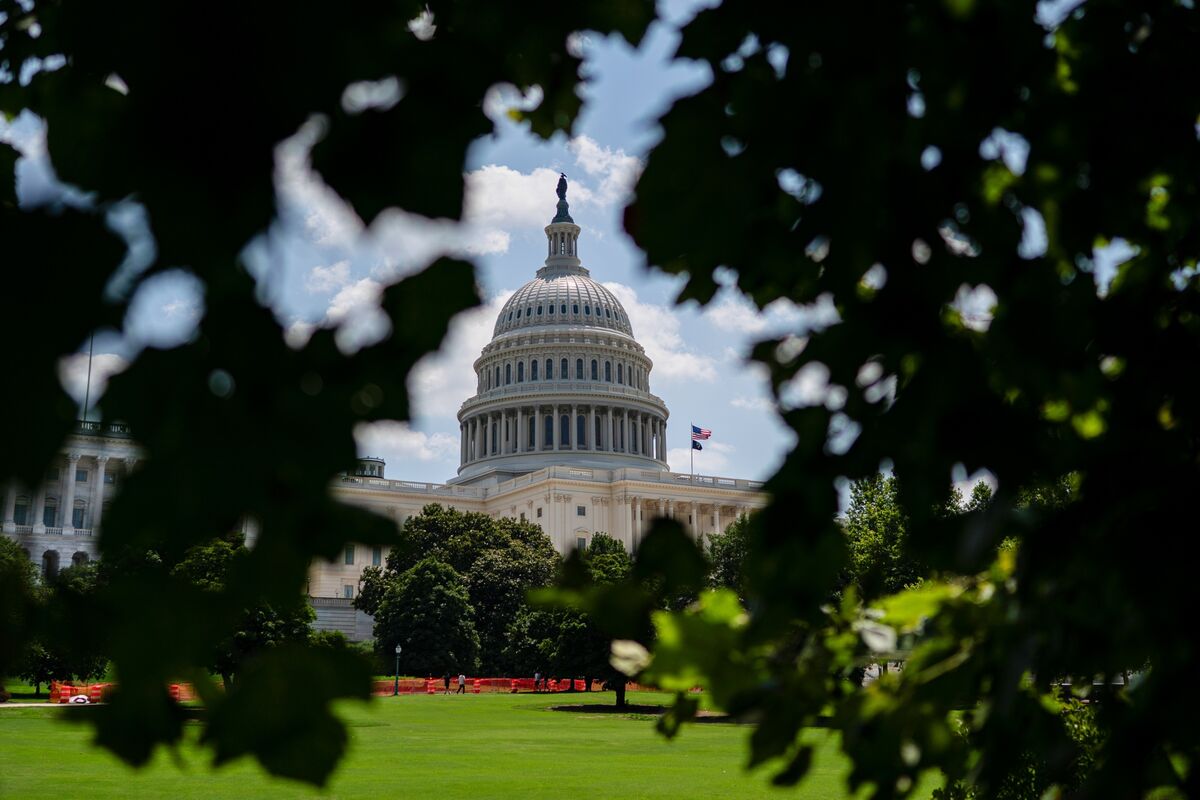
Senate Republicans are advancing a plan to extend the 2017 tax cuts, a measure projected to cost $3.8 trillion, by employing an accounting method that controversially claims the extension has no cost. This 'magic math' approach allows the GOP to satisfy both President Trump's populist agenda and the party's fiscal conservatives, despite the significant fiscal outlay and potential social welfare trade-offs.
Senate Republicans are advancing a legislative proposal to make the 2017 tax cuts permanent, a measure with a projected fiscal cost of $3.8 trillion. The plan utilizes a controversial accounting mechanism to formally score the extension as having zero cost, a method critics have labeled an "accounting sleight of hand." This legislative strategy appears designed to navigate competing political interests within the party, simultaneously supporting former President Trump's populist agenda and satisfying the party's fiscally conservative wing. The article specifies that the primary beneficiaries of the tax relief are corporations and high-income individuals. The fiscal burden is expected to be offset by significant cuts to social welfare programs, directly impacting healthcare and food assistance for lower-income and disabled Americans. The strongly negative sentiment score (-0.75) and moderate market impact score (0.65) associated with this news reflect significant concern over long-term fiscal sustainability and the potential for social and political instability arising from the policy's distributional consequences.
AI-powered research, real-time alerts, and portfolio analytics for institutional investors.
Request DemoOverall Sentiment
strongly negative
Sentiment Score
-0.75
