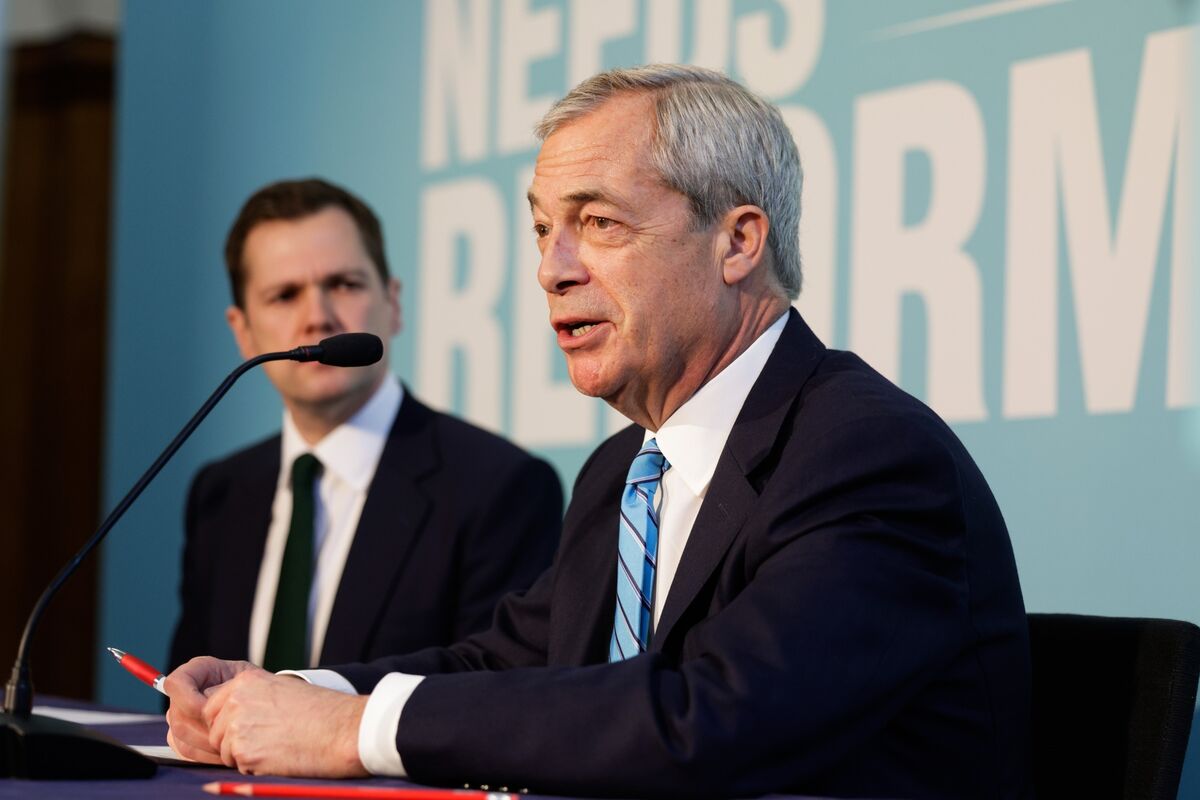
Reform UK vowed to scrap air passenger duty on short-haul flights for families if it wins the next election. The proposed discount would apply when an adult economy ticket is bought with at least one under-18, covering school trips and grandparents, and was announced at Heathrow by Nigel Farage and Robert Jenrick. If implemented, the measure could reduce tax receipts and modestly boost short-haul family travel demand, benefiting airlines and airports that serve family routes, but it remains speculative until electoral success and legislation.
A targeted cut to effective short‑haul travel taxation would operate like a localized price shock concentrated on marginal family and discretionary leisure demand. Expect a 3–7% lift in booked short‑haul leisure pax in the first 6–12 months on routes under 3 hours where price sensitivity is highest, with most of that captured by low‑cost carriers and secondary airports rather than legacy widebody networks.
Second‑order competitive effects will center on yield and capacity: LCCs are likely to stimulate new frequencies and routes to capture incremental demand, compressing short‑haul yields by ~2–5% over 12–24 months but increasing ancillary revenues (bag/seat fees, retail). Regional airports and tourism businesses along popular short‑haul corridors should see outsized upside via higher passenger throughput and retail spend per pax, while high‑speed rail operators on sub‑3‑hour corridors face share erosion.
Fiscal and policy risk is the primary catalyst: a meaningful tax cut scaled across short‑haul could cost the exchequer in the mid‑hundreds of millions of GBP annually, creating pressure for offsets that could arrive as higher complementary levies (environmental surcharges) or cuts elsewhere; bond markets could reprice modestly (order of 5–15bp on 10y gilts in a downside scenario) if the package worsens near‑term deficits. Reversal risks include a change in government, EU/regulatory pushback on state aid framing, or fast‑follow environmental policy that neutralizes the consumer price effect.
Operationally, watch capacity dynamics and retail spend per passenger as leading indicators: a durable policy drives >5% YoY seat growth on affected routes in the next 12 months, while a muted or short‑lived announcement produces a one‑off ticketing pull‑forward and subsequent yield recovery. Currency and trade flows are minor but non‑trivial: incremental outbound leisure demand can widen the travel goods deficit and exert mild downward pressure on sterling in a stressed fiscal scenario.
AI-powered research, real-time alerts, and portfolio analytics for institutional investors.
Request DemoOverall Sentiment
neutral
Sentiment Score
0.00
