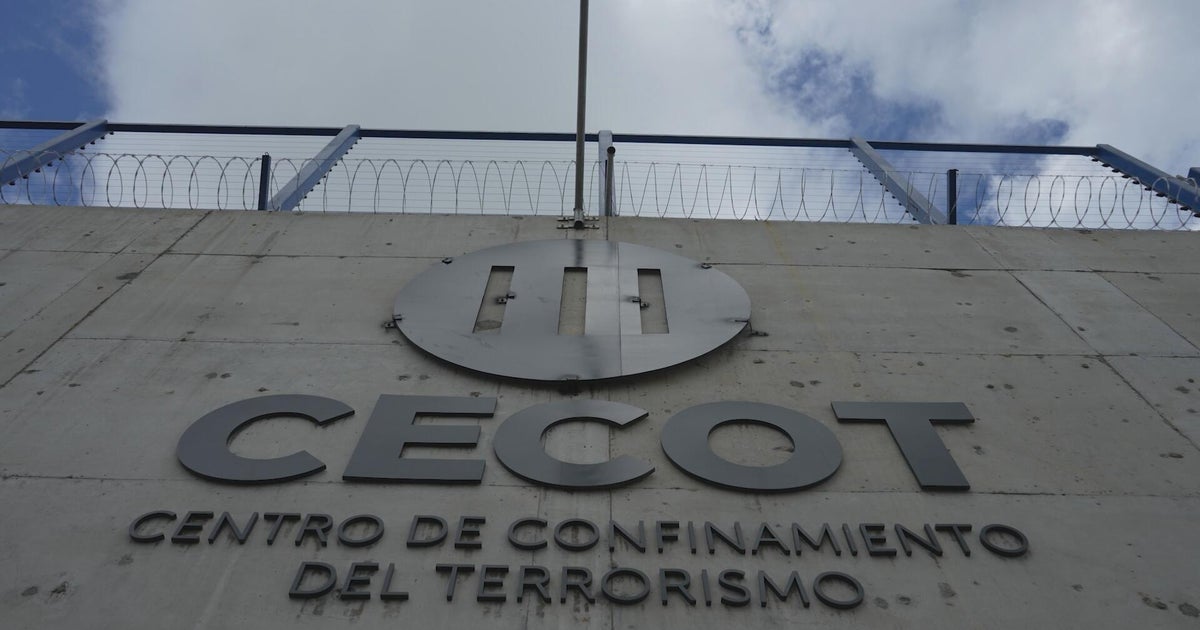
U.S. District Judge James Boasberg ordered the Trump administration to file by Jan. 5 a plan to either return 137 Venezuelan men — deported under the Alien Enemies Act and held at El Salvador's CECOT prison — to the United States or provide them hearings after finding they were denied due process. Boasberg found the U.S. effectively retained custody (including paying for detention) and that the government may either repatriate the men or offer hearings that satisfy due-process requirements; the detainees, a subset of more than 200 sent March 15, were later released and returned to Venezuela in a U.S.-brokered swap.
Market-structure: This ruling creates politically-driven regulatory risk concentrated in immigration, detention and government-contracted services rather than broad macro markets. Winners: firms providing non-detention border technology and legal/consulting services (small but concrete revenue potential). Losers: reputationally exposed private prison operators and government contractors tied to detention logistics, where incremental compliance and bid-loss risk can compress free cash flow by low-single-digit percentages over 6–18 months.
Risk assessment: Tail risks include a broader DOJ/DHS crackdown or congressional funding changes that could remove revenue for detention contractors (low probability, high impact; >20% revenue shock possible for niche vendors). Immediate window: heightened headlines into Jan 5 filing; short-term (weeks–months): litigation and NGO pressure; long-term (quarters–years): potential procurement shifts and ESG-driven capital reallocation. Hidden dependency: election-cycle signaling could amplify procurement volatility independent of facts-on-the-ground.
Trade implications: Expect dispersion—buy volatility around near-term deadlines and favor border-technology/analytics names over commoditized detention operators. Relative-value trades should capture regulatory repricing: long modest exposure to DHS-tech beneficiaries, short private-prison linkage via equity or put-spreads. Key catalysts: Jan 5 government filing, congressional hearings, major DHS contract awards (watch $50–200m thresholds).
Contrarian: Market consensus will likely treat this as a legal-political story with no market impact; that understates concentrated balance-sheet exposure of small-cap detention suppliers and outsourcers. Historical parallel: post-Abu Ghraib/Guantanamo scrutiny led to multiyear contract re-pricing for select contractors. Unintended consequence: a government move to remote hearings could reduce repatriation costs but leave reputational and ESG losses intact, sustaining discount in affected equities.
AI-powered research, real-time alerts, and portfolio analytics for institutional investors.
Request DemoOverall Sentiment
mildly negative
Sentiment Score
-0.30
