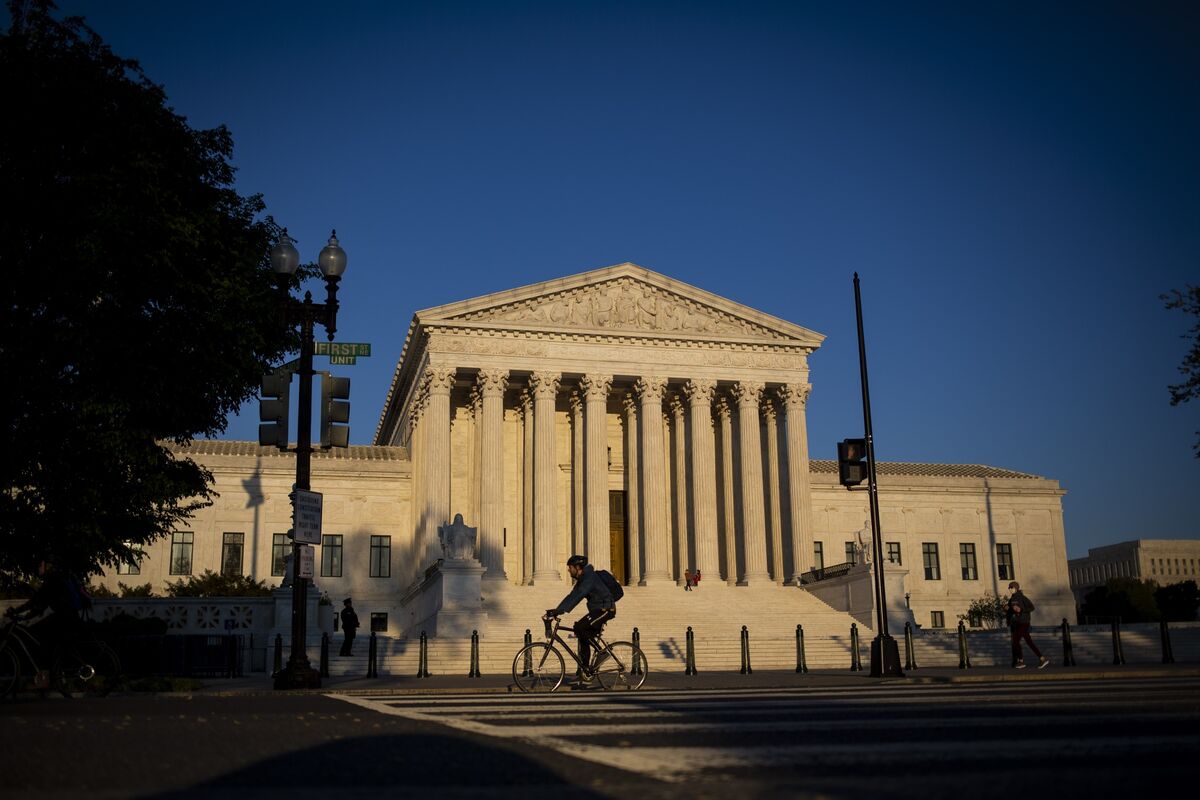
The U.S. Supreme Court, in a divided decision, temporarily permitted President Trump to remove three Democratic members of the Consumer Product Safety Commission, halting a lower court's reinstatement order. This ruling reinforces the trend of expanding White House control over independent agencies, potentially setting a significant precedent for executive power and the regulatory environment.
The U.S. Supreme Court's decision to temporarily permit the executive branch to remove three members of the Consumer Product Safety Commission (CPSC) marks a significant development in the balance of power between the White House and independent agencies. By putting a federal district court's reinstatement order on hold, the ruling reinforces a legal trend toward greater presidential control over regulatory bodies, which were historically designed with protections against political influence. The divided nature of the court's decision, with dissents from three justices, underscores the contentious legal and political questions surrounding agency independence. While the immediate market impact is assessed as low, this event introduces a new layer of uncertainty into the regulatory landscape, as it suggests that leadership and policy direction at agencies like the CPSC could become more closely aligned with the incumbent administration's agenda, potentially leading to abrupt shifts in enforcement and rulemaking.
AI-powered research, real-time alerts, and portfolio analytics for institutional investors.
Request DemoOverall Sentiment
neutral
Sentiment Score
0.00
