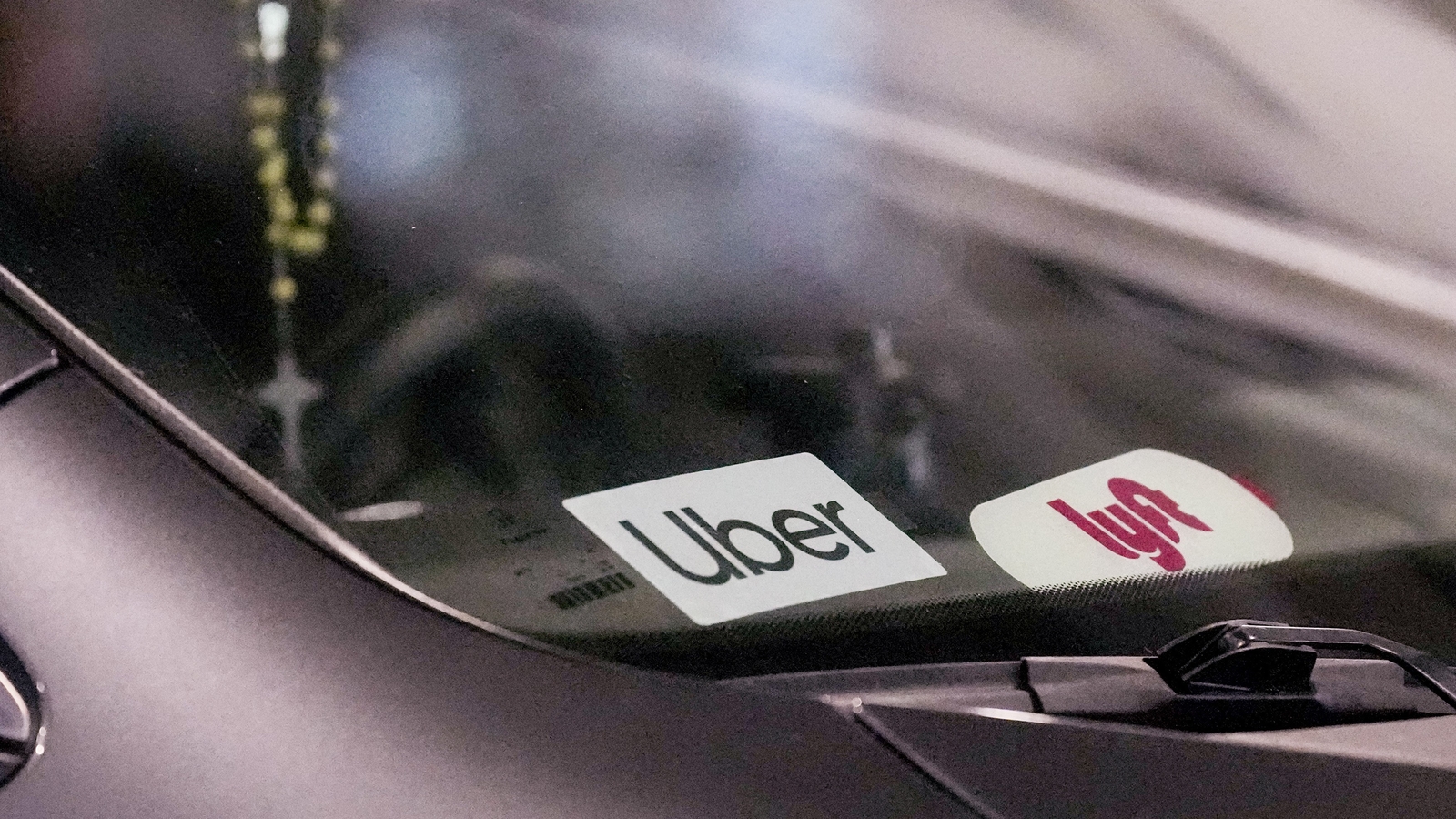
Rising gas prices are materially squeezing rideshare drivers, with one full-time driver citing costs rising from about $2 to $4.09 per gallon and adding roughly $20 per day, or about $40 per day with one to two fill-ups. Drivers say earnings are down sharply, ride volume is weaker, and current Uber/Lyft fuel-reward relief programs are insufficient. Minnesota rideshare drivers are also pushing for unionization rights to seek better wages.
Higher fuel costs hit rideshare economics twice: they compress driver take-home pay and raise the implicit minimum fare needed to keep part-time supply engaged. That usually shows up first as lower online hours and higher driver churn, then as wider ETAs and more surge pricing in lower-density markets, which can quietly worsen rider retention before it is obvious in reported trip volumes. The near-term loser is whichever platform has the weaker ability to subsidize supply without structurally impairing margin.
Second-order, the pain is not just inflationary but behavioral. Drivers are likely to ration mileage, cherry-pick only high-fare windows, and exit the platform during shoulder hours, which disproportionately hurts urban late-night and suburban coverage. Over weeks to months, that can force platforms into a subsidy arms race just to hold service levels, and the burden typically falls more heavily on the smaller player with less pricing power and weaker network effects in local markets.
The regulatory angle is a slow-burn but meaningful catalyst. Organizing efforts and wage claims increase the probability of state-level or city-level intervention around minimum pay formulas, reimbursement standards, or classification rules; those changes would be much more material to unit economics than temporary fuel rebates. The market may be underestimating that the real risk is not gas itself, but permanent margin leakage from policy responses layered on top of an already soft consumer demand backdrop.
Near term, this is a tactical negative for ride-hail shares rather than a full thesis break, because the cost shock is visible now but the fundamental damage will take a few reporting cycles to surface. If fuel stays elevated for another 4-8 weeks, expect the weaker platform to lose more supply share and for both names to guide more conservatively on trip growth and contribution margin.
AI-powered research, real-time alerts, and portfolio analytics for institutional investors.
Request DemoOverall Sentiment
strongly negative
Sentiment Score
-0.55
Ticker Sentiment
