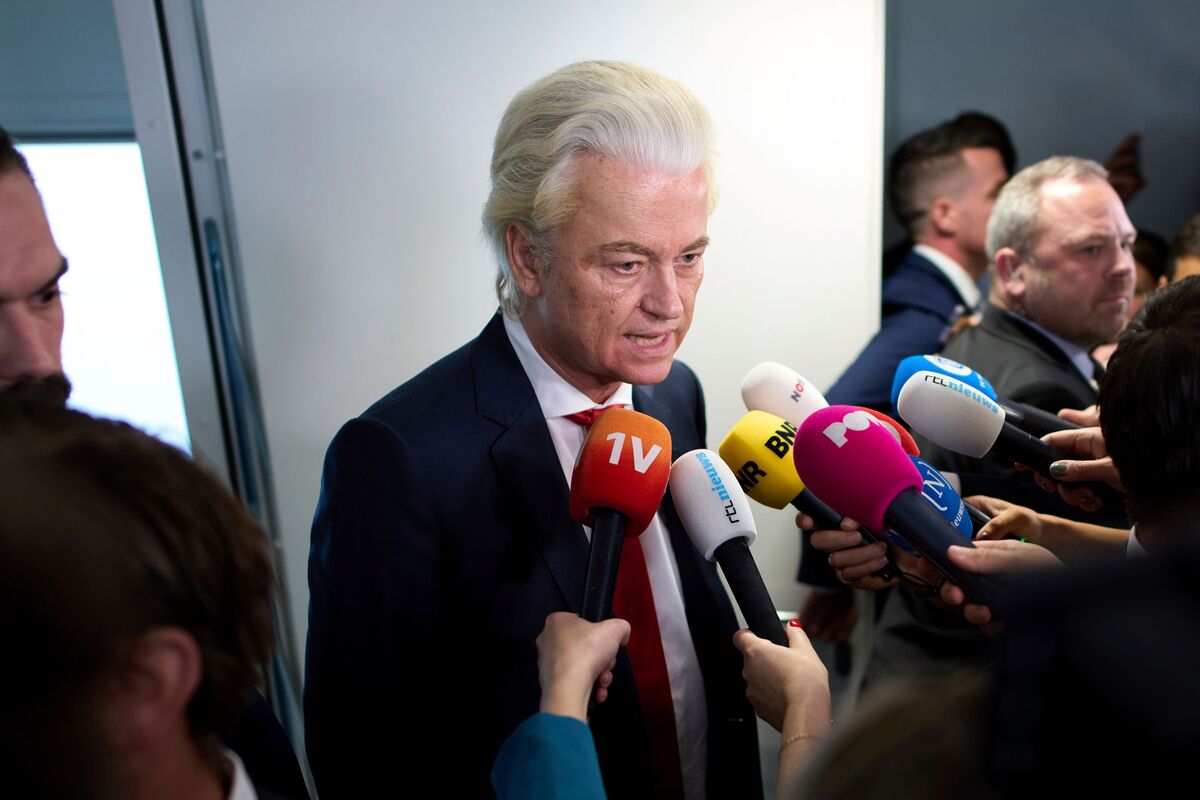
The Dutch government has collapsed, prompting Prime Minister Dick Schoof's resignation and the likelihood of a snap election, after Geert Wilders' Freedom Party withdrew from the coalition due to disagreements over migration policies. Wilders sought stricter measures, including border closures and halting family reunification, which the other coalition partners rejected. This political crisis arises amid growing concerns among Dutch voters about migration, exacerbated by housing shortages and rising living costs.
The Dutch government has collapsed following the withdrawal of Geert Wilders' Freedom Party from the ruling coalition, a development primarily driven by irreconcilable differences over stringent migration policies. Wilders' proposals, which included closing the border to asylum seekers, temporarily halting family reunification, and returning asylum seekers to Syria, were rejected by the other three coalition partners, compelling Prime Minister Dick Schoof to offer his resignation and setting the stage for a likely snap election. This political turmoil is occurring amidst significant public dissatisfaction, fueled by concerns over migration, one of Europe's most acute housing crises, and rising living costs. The associated data signals indicate a "strongly negative" sentiment (score -0.6) and a notable "market_impact_score" of 0.6, highlighting the potential for market volatility and investor concern stemming from this governmental instability.
AI-powered research, real-time alerts, and portfolio analytics for institutional investors.
Request DemoOverall Sentiment
strongly negative
Sentiment Score
-0.60
