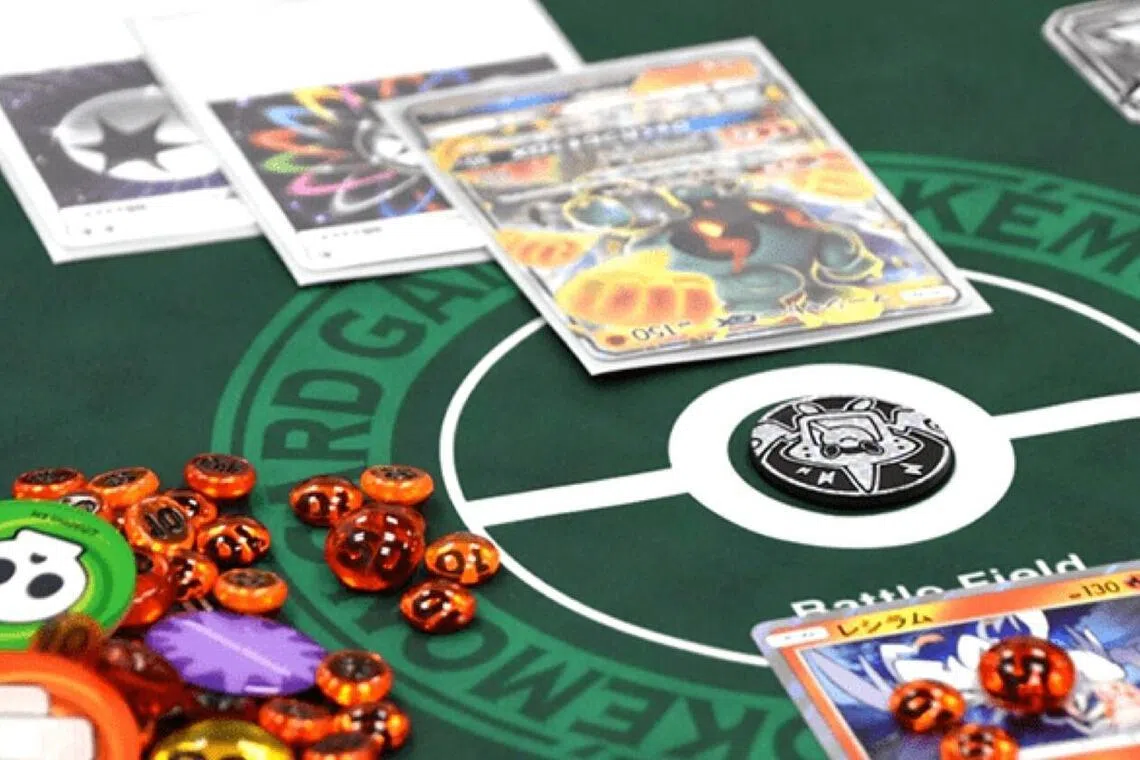
The Pokemon Company cancelled a Pokémon card game event that had been listed for Jan. 31 at Tokyo’s Yasukuni shrine and issued an apology on Jan. 30 after drawing criticism from Chinese netizens. Because the shrine is seen by China and South Korea as a symbol of Japanese wartime militarism, the episode poses a reputational risk for Japanese consumer brands with exposure to Greater China, though the direct financial impact is likely limited and warrants monitoring of brand sentiment in that market.
Market-structure: This is a reputational shock to a Japanese cultural brand event with asymmetric exposure — winners are short-term social-media-driven boycotts (domestic nationalist actors in China) and defensive retailers that pick up displaced spend; losers are Japanese consumer-facing brands with meaningful China revenue or brand reliance (autos, apparel, IP/licensing). Expect limited direct pricing power shifts but increased idiosyncratic volatility for branded names; collectible secondary markets (Pokemon cards) should hold value absent supply disruption.
Risk assessment: Tail risks include coordinated boycotts or informal trade barriers from China (low-probability, high-impact) that could knock 3–8% off exposed Japanese consumer earnings over 1–2 quarters. Immediate (days) effect is sentiment-driven flow; short-term (weeks/months) could depress revenues if amplified by state media; long-term (quarters/years) depends on corporate response and geopolitical escalation. Hidden dependencies: licensing chains (Nintendo/creators), Chinese retail platforms and logistics; a PR misstep by other IP holders could cascade.
Trade implications: Tactical hedges on Japan consumer exposure and selective opportunistic buys in resilient IP owners make sense. Use liquid instruments (EWJ options, NTDOY/7974.T for Nintendo, SONY/SNE as diversified media/tech) and FX hedges (JPY) to manage cross-asset contagion; price-triggered entry/exit rules reduce headline noise risk. Catalysts to watch: repeated state-media campaigns, Chinese retail bans, or corporate apologies/clarifications within 7–30 days.
Contrarian angle: The market will likely overstress reputational headlines vs. fundamentals — Pokemon/Nintendo’s long-term cash flows are diversified across games, merch and media; a transient boycott that causes a sub-5% share-price move would be a buying opportunity. Historical parallels (short-lived China boycotts vs. durable brand recovery) suggest mean reversion over 3–6 months if no formal trade measures appear.
AI-powered research, real-time alerts, and portfolio analytics for institutional investors.
Request DemoOverall Sentiment
mildly negative
Sentiment Score
-0.25
