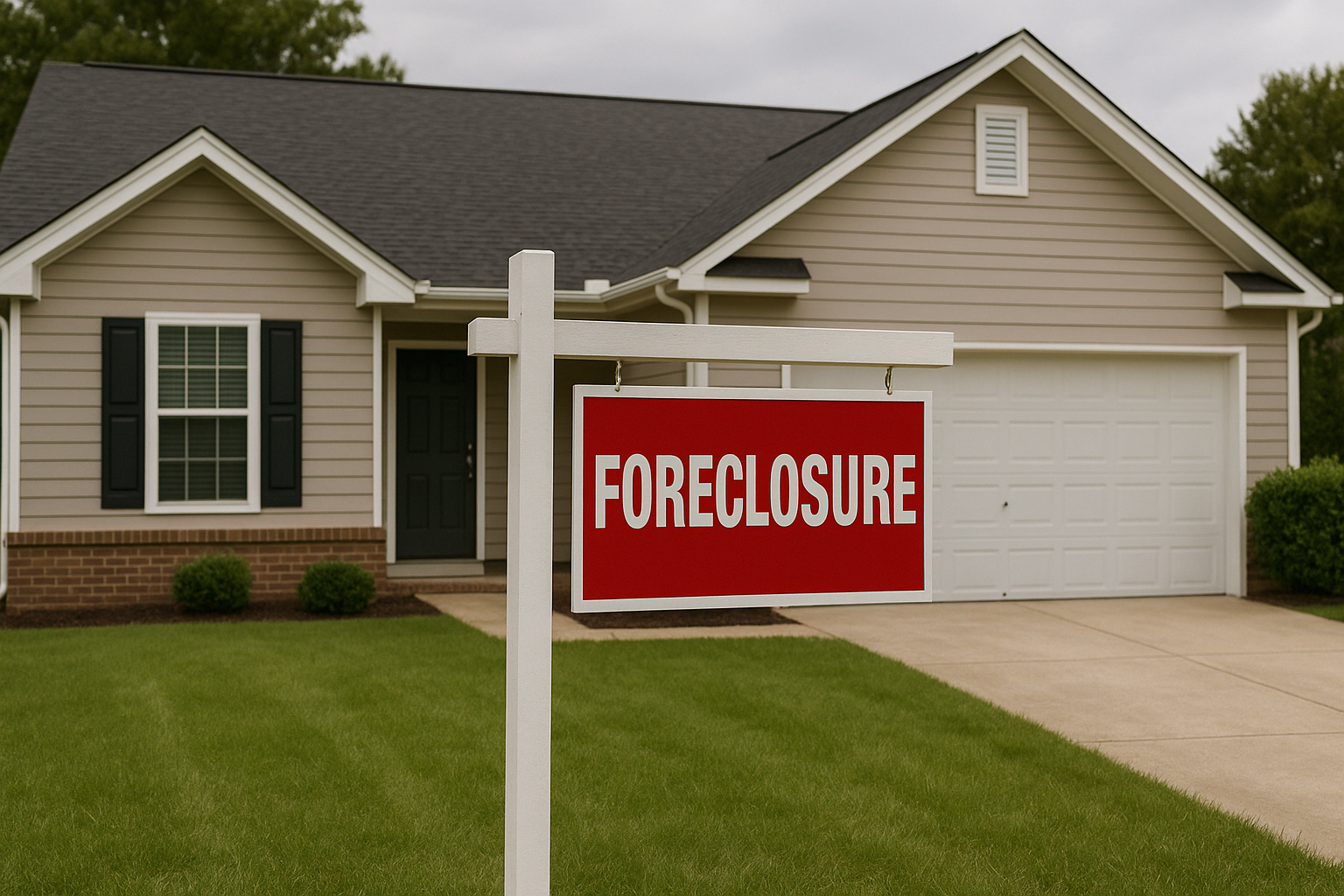
U.S. foreclosure filings have risen for six consecutive months, with August seeing a 6% increase in starts and a 22.5% jump in sales year-over-year, and the national rate is now 20% higher than 12 months ago, according to ATTOM. This sustained uptick, driven by persistently high interest rates, inflation eroding homeowner financial buffers, and more aggressive lender action post-forbearance, signals mounting financial pressure and could portend a broader housing distress wave. While current activity remains well below 2008 crisis levels, the trend poses risks for housing supply, municipal tax bases, and lender liquidity if economic pressures intensify.
Foreclosure filings in the U.S. have risen year over year for six consecutive months, signaling mounting financial pressure on homeowners. In August alone, foreclosure starts grew by 6 %, and foreclosure sales jumped 22.5 % compared to the same time last year. Analysts warn that while the current levels are still below crisis-era peaks, the sustained uptick could mark the beginning of a broader housing distress wave. In recent months, data from mortgage and real-estate trackers have revealed a growing number of U.S. homeowners slipping into foreclosure. After years of historically low rates, the rise is drawing attention from housing analysts, lenders, and policymakers alike. According to ATTOM, a real estate data company, the national foreclosure rate is 20% higher than 12 months ago. "In 2025, we’ve seen a consistent pattern of foreclosure activity trending higher, with both starts and completions posting year-over-year increases for consecutive quarters,” Rob Barber, CEO of ATTOM, told Realtor.com. Despite the rise, foreclosure activity remains well below the levels seen during the 2008 housing crisis. Barber said that the current increases “suggest that some homeowners may be experiencing added financial strain in the current high-cost and high-interest-rate environment.” The foreclosure wave of 2008 was caused by lax lending standards for subprime loans. After that disaster, lenders significantly tightened lending standards and foreclosures largely disappeared. So, what’s driving the surge? 1. High interest rates and mortgage stress Several lenders and analysts point to persistently high borrowing costs as a key factor. Many homeowners who secured mortgages when interest rates were lower are struggling now that refinancing or adjustments are less feasible. 2. Shrinking financial buffers and inflation Rising costs for essentials—food, healthcare, energy—have eaten into savings and liquidity. Homeowners are increasingly vulnerable to unexpected expenses or income shocks. In regions with weaker job markets or more volatile economies, the effect is even sharper. 3. Regional and policy pressures Some states are bearing the brunt more than others. For example, housing markets hit by natural disasters, higher insurance costs, or fragile job sectors are seeing disproportionate foreclosure activity. In addition, lenders are being more aggressive in pursuing defaults after years of leniency, and regulatory forbearance programs are fading. Implications and risk outlook The gradual uptick in foreclosures carries several potential consequences: Housing supply pressures: Increasing distressed sales may put downward pressure on prices in weaker markets, especially in neighborhoods already overleveraged. Local tax base strain: More vacant or distressed properties can reduce property tax revenue, straining municipal budgets. Credit and banking risk: Lenders may face higher losses on mortgages and tighter liquidity, especially smaller local banks with concentrated exposures. Social and community impacts: Foreclosures often hit vulnerable populations hardest, disrupting families, increasing displacement, and destabilizing neighborhoods. If there is a silver lining, it may be that foreclosure rates remain far below those seen during past crises. But if interest rates stay elevated or economic pressures deepen, that gap could narrow. U.S. foreclosure filings have increased for six consecutive months, indicating a growing financial strain on homeowners. August alone saw foreclosure starts rise by 6% and sales jump by 22.5% year-over-year, with the national foreclosure rate now 20% higher than 12 months prior, according to ATTOM. This sustained uptick, although still below 2008 crisis peaks, suggests a potential broader wave of housing distress. The current surge is primarily driven by persistently high interest rates, which make refinancing difficult, and elevated inflation eroding homeowner financial buffers. Rising costs for essentials like food and energy are depleting savings, making homeowners more vulnerable to income shocks. Additionally, lenders are pursuing defaults more aggressively as regulatory forbearance programs fade, particularly impacting regions with fragile job markets or natural disaster exposure. These trends carry several implications for the financial markets. Increased distressed sales could exert downward pressure on housing prices in already overleveraged or weaker markets. Furthermore, lenders, especially smaller local banks with concentrated exposures, may face higher losses on mortgages and tightening liquidity, elevating credit risk within the financial system.
AI-powered research, real-time alerts, and portfolio analytics for institutional investors.
Request DemoOverall Sentiment
strongly negative
Sentiment Score
-0.70
