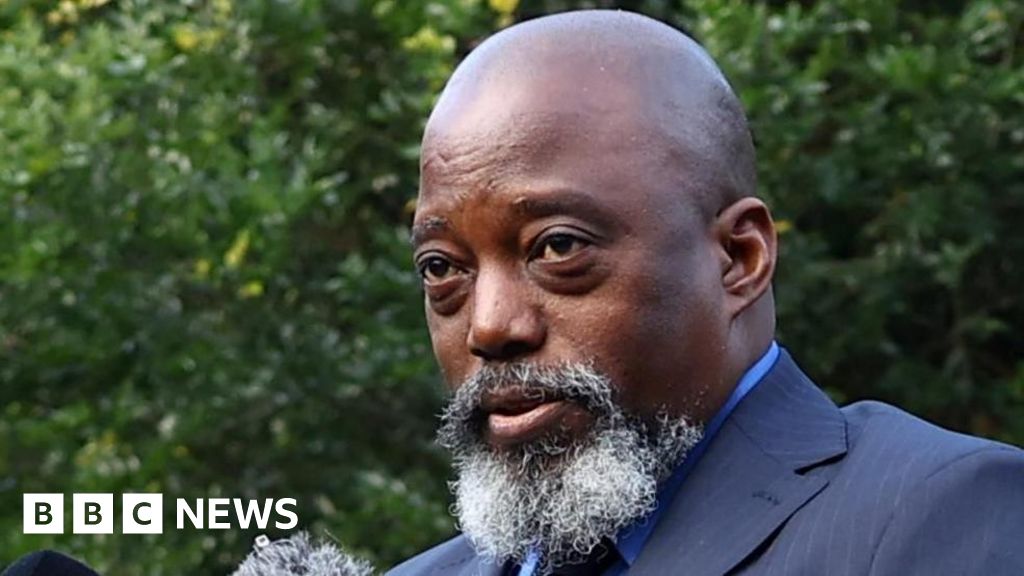
The Democratic Republic of Congo's senate has voted to strip former President Joseph Kabila of his immunity, paving the way for his prosecution on charges of treason and war crimes related to his alleged support of the M23 rebel group. Nearly 90 senators voted in favor of the prosecution, despite Kabila's denials of any connection to the insurgents, who control several towns in the mineral-rich east. Analysts suggest that a trial could further destabilize the country, which has been battling the M23 rebellion since 2012, while Kabila's party has dismissed the prosecution as a distraction.
The Democratic Republic of Congo's senate has voted overwhelmingly, with nearly 90 in favor and five against, to strip former President Joseph Kabila of his legal immunity, a significant development that permits his prosecution on charges of treason and war crimes. Authorities allege Kabila, who led the country from 2001 to 2019, provided backing to the M23 rebel group, which controls several towns in the nation's mineral-rich eastern region; Kabila has previously denied these accusations. This move occurs while Kabila has been residing in South Africa for the past two years, and follows the recent banning of his political party, the People's Party for Reconstruction and Democracy (PPRD), due to its perceived ambiguous stance on the M23's occupation. Analysts cited in the report express concern that any trial of Kabila could further destabilize the DRC, a country already contending with the M23 insurgency since 2012. The political ramifications are notable, given Kabila's retained influence despite a fallout with the current Tshisekedi administration. While DRC and Rwanda are reportedly nearing a preliminary peace agreement concerning the M23 conflict, this internal political escalation introduces a new layer of uncertainty for the country's stability and governance.
AI-powered research, real-time alerts, and portfolio analytics for institutional investors.
Overall Sentiment
moderately negative
Sentiment Score
-0.45
