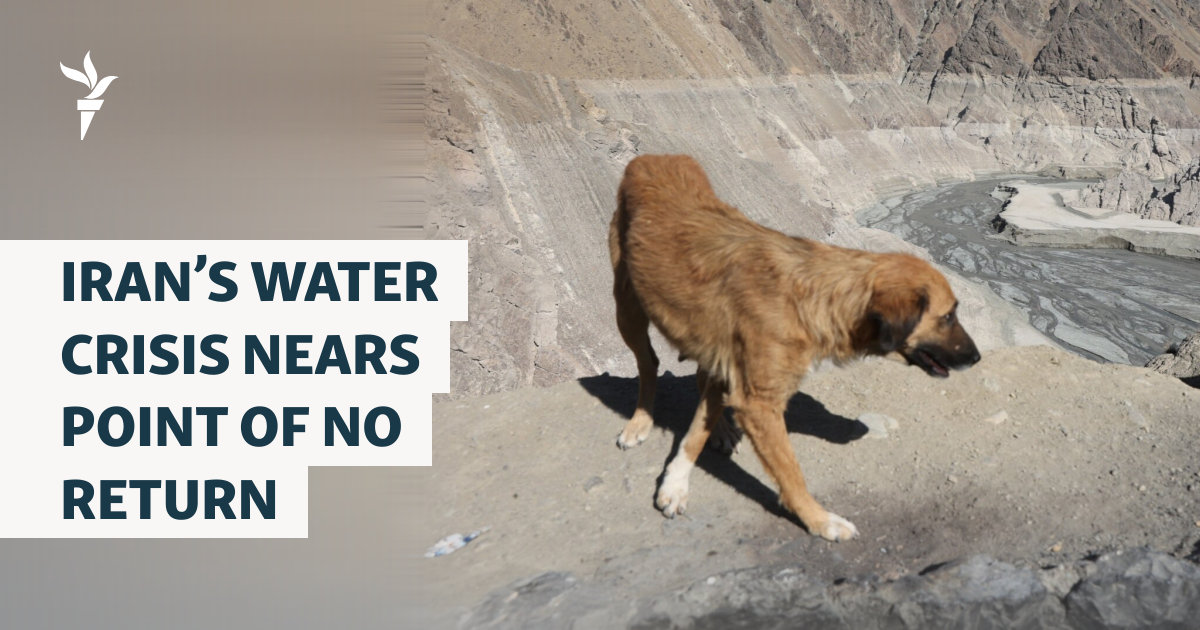
Iran is grappling with a severe "water bankruptcy" stemming from decades of mismanagement and its worst drought in 60 years, leading to critically low reservoir levels, including Tehran's at just 11% capacity. Water rationing has begun in the capital, with President Pezeshkian warning of potential evacuations or even relocating Tehran, highlighting the crisis's extreme severity. This escalating situation, exacerbated by unsustainable agricultural policies aimed at food self-sufficiency, poses significant risks of social unrest and economic disruption, with officials yet to present a concrete, long-term plan to address the fundamental issues.
Iran is confronting an "extremely negative" water crisis, termed "water bankruptcy," driven by decades of mismanagement and its most severe drought in 60 years. Reservoir levels are critically low, with Tehran's main supplies at just 11% capacity and Mashhad's below 3%, leading to widespread water rationing in the capital. This situation has prompted President Pezeshkian to warn of potential Tehran evacuations or even capital relocation, underscoring the crisis's profound severity and high market impact (0.85).
The crisis is exacerbated by misguided government policies, particularly a self-sufficiency strategy in agriculture that consumes vast water resources in an arid region, as noted by experts like Kaveh Madani and Azam Bahrami. Despite the dire warnings, officials typically downplay crises, contributing to a public lack of trust and hindering effective demand management. No concrete long-term plan has been presented, suggesting a reactive rather than proactive approach to this critical issue.
The water shortage carries significant socio-political risks, evidenced by past protests in Khuzestan Province that faced deadly crackdowns. The current rationing and potential for further escalation could trigger widespread social unrest and economic disruption, impacting consumer demand and overall stability. This ongoing environmental and governance failure highlights systemic risks for any investments tied to Iranian domestic stability or resource-intensive sectors within the country.
AI-powered research, real-time alerts, and portfolio analytics for institutional investors.
Overall Sentiment
extremely negative
Sentiment Score
-0.90
