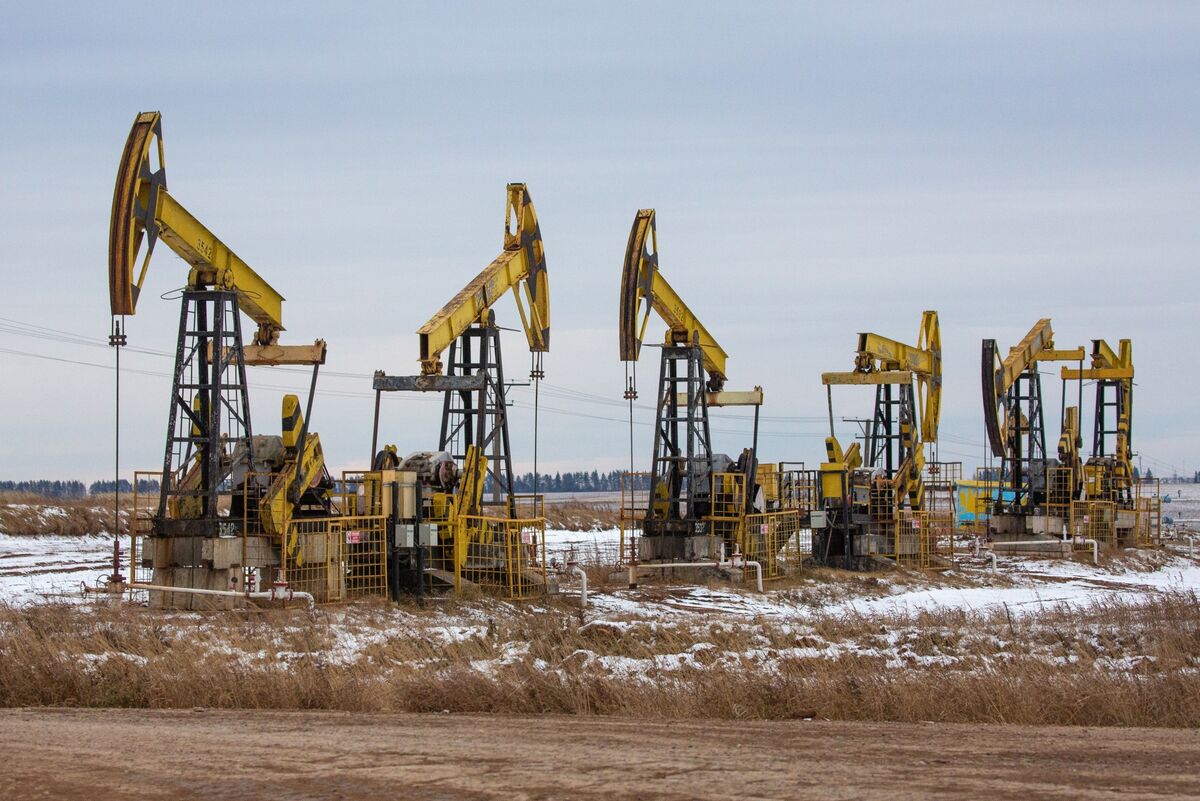
Indian banks are weighing providing financing for shipments of Russian oil that are not covered by sanctions, a move that could expand trade-finance revenue but raises compliance, legal and reputational risks amid international scrutiny. The potential facilitation of additional Russian crude flows may influence regional supply dynamics and prompt closer monitoring of bank exposures, regulatory responses and counterparty risk by investors and counterparties.
Market structure: Indian banks capturing incremental trade‑finance for Russian crude would raise their fee pools and shift pricing power away from Western correspondent banks; expect 100–300bp improvement in fee yield on trade assets for participating banks over 3–12 months if volumes reach a few hundred kbpd. Refiners in India and regional buyers will gain margin tailwinds as incremental supply depresses Urals/Brent spreads by an estimated $1–4/bbl depending on volumes and tanker re‑routing costs. Sovereign and corporate bond markets will price in higher idiosyncratic credit risk for banks exposed to these flows, pushing 3–5yr spreads wider by 20–60bp in stress scenarios.
Risk assessment: Tail risks center on targeted secondary sanctions, insurance market refusals and correspondent de‑risking that could freeze payments or strand vessels — a low‑probability event but capable of causing 20–40% equity drawdowns for exposed banks within weeks. Near term (days–weeks) expect volatility in tanker freight, oil spreads and Indian bank CDS; medium term (1–6 months) regulatory guidance or enforcement will re‑rate credit risk; long term (12+ months) persistent policy shifts could structurally reroute trade‑finance flows to non‑Western banks. Hidden dependencies include P&I insurers, ship registries and SWIFT/payment corridor resilience; any of these failing would be an immediate catalyst.
Trade implications: Favor long exposure to Indian refiners (to capture $0.5–2.0/boe margin upside per $1 move in crude spread) and short selective banking risk that lacks robust compliance capital buffers. Use options to size asymmetric protection: buy 3–6 month puts on bank equities or 1–3yr CDS where liquid; implement pair trades (refiners long / banks short) to capture relative re‑rating if flows grow. Key catalysts to watch for entry/exit are G7 price‑cap enforcement statements, 30–90 day shipping insurance actions, and 5–20bp moves in 5yr bank CDS.
Contrarian angles: Consensus assumes Indian banks will uniformly win; in reality only a subset with large correspondent networks and strong AML programs will monetize volumes — others face de‑risking. Market may underprice the reputational and operational cost: a single enforcement action could crater multiples by 20–40%, so mispricing exists in rich bank equities and underpriced put protection. Historical parallels: 2012 Iran sanctions showed rapid derisking once insurers and correspondents pulled back — replication could be faster now due to tighter enforcement tools. Unintended consequence: increased Indian refining margins could accelerate domestic capex and fuel exports, creating medium‑term fiscal/currency feedbacks that offset initial bank gains.
AI-powered research, real-time alerts, and portfolio analytics for institutional investors.
Request DemoOverall Sentiment
moderately negative
Sentiment Score
-0.30
