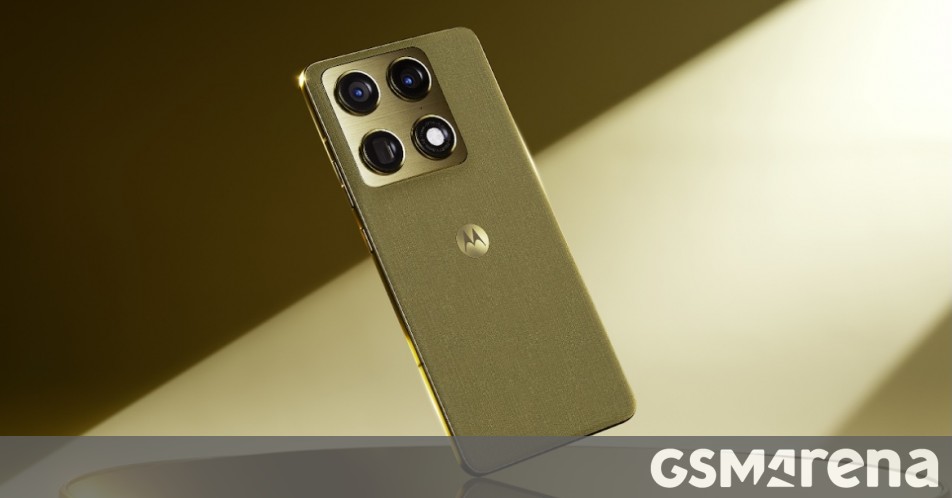
Motorola unveiled the Signature, the first handset in its new ultra-premium Signature series, packing a 6.8" AMOLED 165Hz display (Full HD+, up to 6,200 nits, Gorilla Glass Victus 2), Snapdragon 8 Gen 5, up to 16GB LPDDR5X RAM and 1TB UFS 4.1 storage, and a camera stack of 50MP main (Sony Lytia 828, OIS), 50MP ultrawide, and 50MP periscope telephoto (3x optical), plus a 50MP AF selfie sensor. The phone ships with Android 16, seven years of OS/security updates, a 5,200mAh battery with 90W wired/50W wireless charging, IP68/IP69 and MIL-STD-810H ratings, and premium positioning (6.99mm, 186g, Pantone finishes); the launch signals product differentiation into the high-end segment but is unlikely to be market-moving in the near term, though it could support brand and margin upside for Motorola/Lenovo over time.
Market structure: The Motorola Signature is a niche ultra‑premium handset that disproportionately benefits component suppliers of high‑end parts—Sony (SONY) for image sensors, LPDDR/UFS suppliers (Samsung, SK Hynix, MU/005930.KS) and Qualcomm (QCOM) for the Snapdragon 8 Gen 5. Expect incremental sensor and memory demand concentrated in the next 3–12 months as initial BOMs and follow‑on orders are placed; pricing power strengthens for differentiated sensor modules but not for mid‑tier commodity components. OEMs like Motorola/Lenovo (LNVGY) can lift ASPs but will see margin tradeoffs from seven‑year update commitments and premium warranty/service costs.
Risk assessment: Tail risks include a weak commercial reception triggering inventory write‑downs (low probability, high impact in 0–3 months) and geopolitically driven export controls or factory outages that constrain Sony’s sensor allocation (3–12 months). Hidden dependencies: Sony capacity scheduling, Qualcomm wafer prioritization, and U.S.–China trade policy; second‑order effect is longer device life from seven‑year updates depressing replacement cycles over 2–5 years. Key catalysts are first 8‑week sell‑through, next quarter component bookings, and Sony/Qualcomm earnings commentary.
Trade implications: Direct plays favor long SONY exposure and selective semiconductor suppliers; prefer structured option exposure (6‑month call spreads) to capture upside from order flow while capping premium. Relative trades: long SONY, modest long QCOM/SMH to capture SoC/memory demand while underweight broad consumer discretionary exposure if signs of elongated replacement cycles appear. Enter within 2 weeks of launch data release; set stop losses at 10–12% and take‑profits at 15–25%.
Contrarian view: Consensus may underappreciate Sony’s pricing leverage in multi‑camera 50MP stacks—sensor revenue could outpace smartphone unit growth by high single digits in 12 months. Conversely, the market may overrate OEM upside: premium device launches historically shift share modestly; if seven‑year updates slow churn, component volumes could compress over 2–4 years. Watch for early sell‑through misses and guidance changes as the asymmetric risk trigger.
AI-powered research, real-time alerts, and portfolio analytics for institutional investors.
Request DemoOverall Sentiment
mildly positive
Sentiment Score
0.35
Ticker Sentiment
