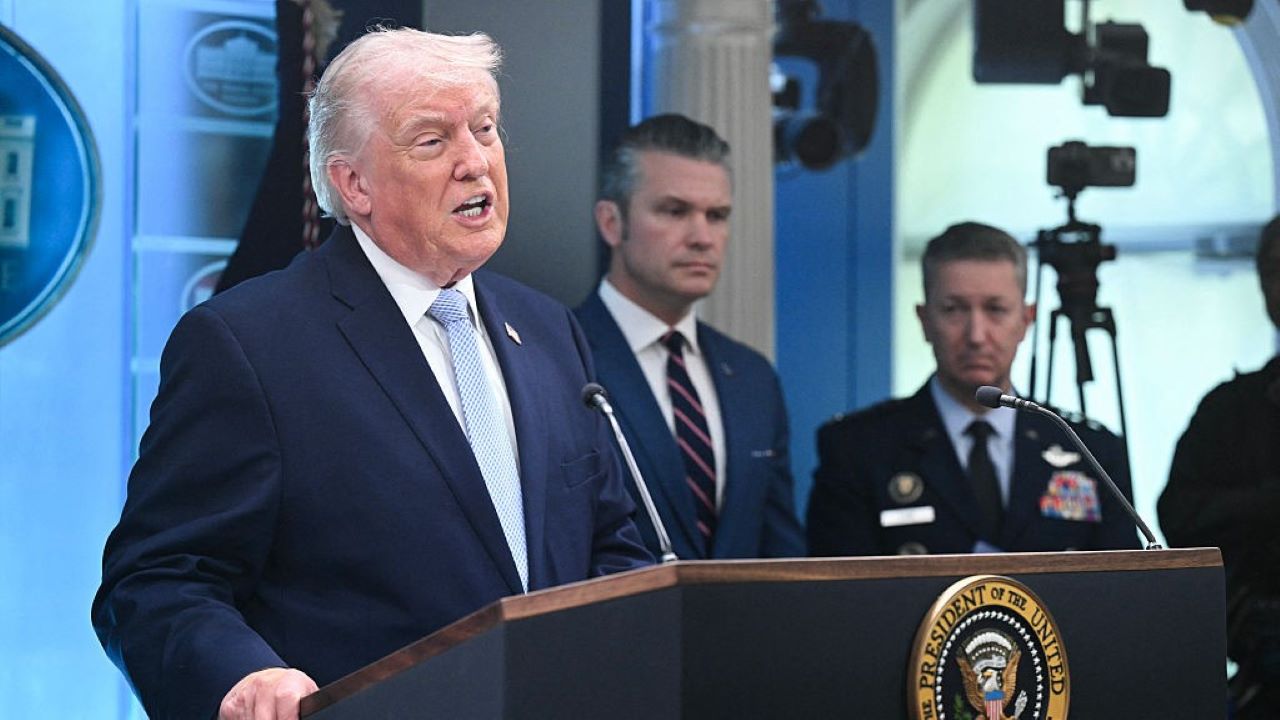
8 p.m. ET deadline: President Trump set an 8 p.m. ET deadline for Iran to reopen the Strait of Hormuz or the U.S. will begin targeting Iranian power plants and bridges, sharply raising immediate geopolitical risk. The U.N. Secretary‑General warned such strikes on civilian infrastructure would likely violate international law and could be treated as war crimes, while multiple Democratic lawmakers publicly called for removal or refusal to carry out illegal orders. This escalation raises downside risk for risk assets and upside pressure on energy risk premia and market volatility if threats are executed.
Immediate market mechanics will be driven by risk premia in oil transport, maritime insurance, and freight duration rather than an immediate supply shortfall. A partial or intermittent disruption of the Strait of Hormuz raises tanker voyage times by 15–30% (re-routing around Africa), which can translate into a near-term 5–15% spike in tanker freight and a 7–12% move in Brent in the first 1–14 days before strategic stock releases or commercial rerouting dampens the shock. War-risk insurance premiums typically move faster than physical flows; expect P&I and hull war-risk to reprice within 48–72 hours, creating a window where carriers and commodity traders see margin squeezes and basis dislocations.
Defense and specialty services are first-order beneficiaries, but the more durable alpha sits in defense systems with near-term funding upside and in service-provider vendors that capture surge work (satcom, ISR analytics, cybersecurity). A tactical U.S. targeting posture increases demand for precision munitions, targeting sensors and resilient comms over months, favoring names with backlogs and fast production ramp (order book visibility matters more than headline defense exposure). Concurrently, cyber-retaliation risk is asymmetric — expect insurance/claims shocks and temporary chokepoints in logistics software providers that amplify real-economy second-order effects over weeks to months.
The consensus will oscillate between risk-off and risk-on as political signaling changes; the biggest mispricing risk is binary — a short, sharp escalation vs. a negotiated de-escalation. Near-term catalysts that would reverse premia include credible diplomatic backchannels, rapid UNSC/coalition mediation, or a proportional non-civilian strike that restores navigation confidence; absent those, elevated premia can persist for 4–12 weeks. Position sizing should treat this as a high-conviction, short-duration event trade book rather than a structural reallocation unless hostilities widen beyond limited strikes, which would move us into a multi-quarter regime shift.
AI-powered research, real-time alerts, and portfolio analytics for institutional investors.
Request DemoOverall Sentiment
strongly negative
Sentiment Score
-0.85
